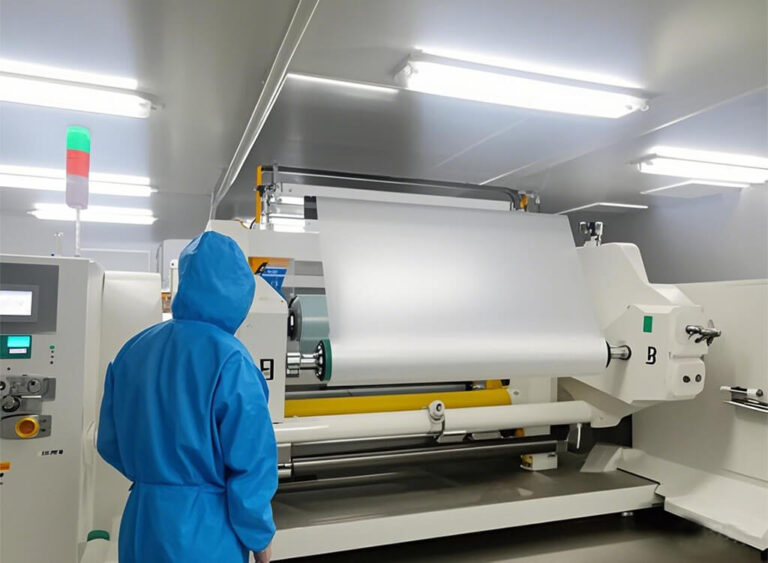
2026 Global Automotive Aftermarket Trends: Analysis of Growth Hotspots in Paint Protection Film (PPF) Demand
For those in the global PPF industry, 2026 will not only be another year of growth, but also a crucial watershed moment. The industry is transitioning from a period of rapid, unregulated growth to a profound transformation driven by technological revolution, market restructuring, and evolving consumer attitudes.
Understanding the core trends of this year will directly determine whether you can seize opportunities and gain a leading position in the next round of industry reshuffling. This article will delve into the four core growth hotspots of the global PPF market(https://www.elovppf.com/) in 2026, providing you with a forward-looking strategic map.
Hot Topic 1: From “Luxury Goods” to “Necessities,” the Asia-Pacific Market Becomes a Global Growth Engine

The growth of the global PPF market(https://www.elovppf.com/) is showing significant regional differentiation. The Asia-Pacific region, especially the Chinese market, is transforming from a follower to a definer, leading the world in market size and growth rate.
A Double Leap in Penetration and Awareness: Unlike the traditional perception in Europe and America that PPF (Paint protection Film) is a “luxury item” for luxury cars, the Asia-Pacific market is undergoing a profound consumer education. In China, the installation rate of PPF has rapidly increased from single digits, quickly becoming more mainstream and widespread. Consumers no longer see it merely as an expensive add-on service, but as a “wise investment” to protect the core assets of their vehicles (original paint) and maintain high resale value.
The Rise of Domestic Brands Reshaping the Pricing System and Competitive Logic: The era in which a few international brands dominated the high-end market and enjoyed high brand premiums is changing. Chinese domestic brands, represented by “factory-owned” and “network-owned” brands, are launching an attack with excellent cost-performance through complete supply chain self-sufficiency (from TPU particles to finished film) and rapid technological iteration. This makes the end-user price of high-quality PPF more affordable, greatly expanding the market base. For global wholesalers, this means more diversified supply chain options, enabling them to obtain high-performance products at more competitive costs.
E-commerce Channels and Digital Marketing Becoming Standard: E-commerce in the Asia-Pacific automotive aftermarket is booming. Consumers are accustomed to obtaining information, comparing prices, and finding service providers through digital platforms. Therefore, the online image of the PPF brand, digital marketing content (such as high-quality installation process demonstration videos), and seamless online-offline integrated services have become key to attracting customers.
Hot Topic 2: New Energy Vehicles Become the Core Engine and Source of Innovation for PPF Demand

If the Asia-Pacific market provided fertile ground for growth, then the global explosion of new energy vehicles (NEVs) is the strongest catalyst for PPF demand.
The Rigid Demand for Asset Protection: Electric vehicles typically have higher average selling prices, and owners have a stronger demand for maintaining their vehicle’s value. Protecting the original paint directly protects the vehicle’s core residual value. At the same time, the sleek surfaces and low-drag front lip designed for maximum range are physically more susceptible to impacts from road debris, giving PPF(https://www.elovppf.com/) a natural “rigid demand” attribute.
Leading “New Quality Consumption” and Functional Integration: New energy vehicle owners are often early adopters of new technologies and personalized expression. Their demand for PPF has transcended basic protection, extending to “new quality consumption”—a comprehensive pursuit of color changes, matte/high-gloss finishes, personalized graphic decorations, and even environmentally friendly and sustainable materials. This provides the market with a high-value-added growth curve.
Forward-looking technological needs to adapt to autonomous driving: With the popularization of Advanced Driver Assistance Systems (ADAS) and autonomous driving technologies, signal transmission from vehicle sensors has become crucial. In the future, new PPF substrates (such as specially designed graphene composites) that can reduce radar wave penetration loss and are compatible with sensor performance will become the forefront of research and development, opening up a new competitive dimension for technology-leading manufacturers.
Hot Topic 3: Technology-driven value upgrading, from “material competition” to “system solution competition”
By 2026, the PPF industry will completely move away from homogeneous price wars and shift towards a value-based competition centered on technological innovation.
| Technical dimension | Development trends | The value for wholesalers/film installation shops |
| Substrate and coating | Aliphatic TPU has become the absolute mainstream material, with continuous improvements in yellowing resistance and self-healing properties; advanced coatings such as nanoceramics and photocatalytic anti-fouling coatings are becoming widespread, enhancing durability and ease of cleaning. | Product performance promises are more reliable, after-sales disputes are reduced, and customer satisfaction is improved. |
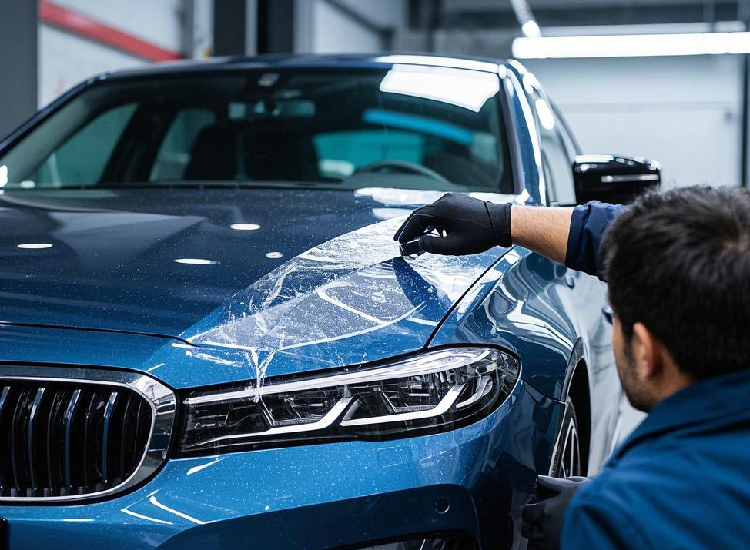
| Installation and service quality | The industry consensus is shifting towards a high-quality system encompassing the entire value chain, from “superior materials and manufacturing” to “superior installation.” Standardized installation techniques and a certified technician system are becoming key factors for brand differentiation. | Enhance the professional image of stores and their ability to command premium prices for services, transforming them from “product sellers” into “solution providers.” |
| Digital tools | Digital operations have transformed from an “option” to a “necessity,” encompassing the entire process from online customer acquisition and customer relationship management to inventory optimization. | Improve operational efficiency, acquire customers precisely, and achieve refined management and business growth. |
Hot Topic 4: Accelerated Industry Consolidation, Specialization and Chain Store Trends Emerge
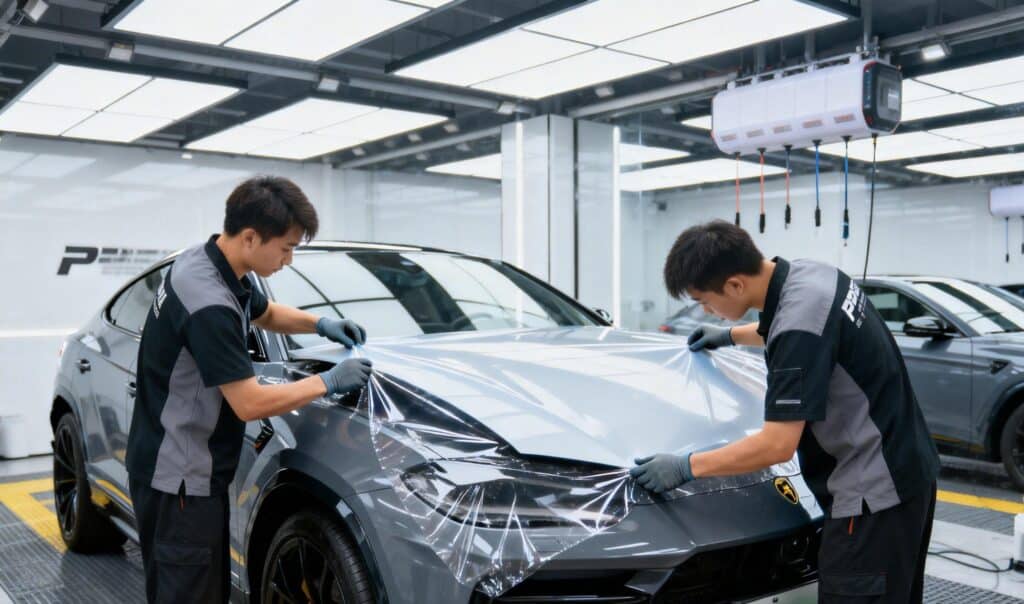
Market maturity inevitably leads to consolidation. By 2026, the global automotive aftermarket, including the PPF (Paint Protection Film) sector, will undergo a profound transformation.
Expansion of Chain Brands and Transformation of Small and Medium-SSized Stores: National or regional chain film service brands with strong brands, standardized processes, and comprehensive supply chain support will continue to expand, squeezing the survival space of small and medium-sized stores lacking distinctive features and digital capabilities. Independent stores must build a competitive advantage by deeply cultivating local communities, developing specialized technical expertise, or providing highly personalized services.
Profound Adjustment of Channel Landscape: With the rise of direct sales models for new energy vehicles and the transformation of the traditional 4S store system, the sales and installation channels for PPF are being restructured. New models such as official cooperation with new energy vehicle brands, pop-up stores in commercial districts, and independent flagship stores will continuously emerge. Distributors need to adjust their channel strategies more flexibly.
Full Value Chain Collaboration Becomes Key to Success: High-quality PPF(https://www.elovppf.com/) delivery involves multiple links, including raw materials, film manufacturing, brand operation, channel distribution, and terminal installation. The future winners will be those companies that can build a closely integrated and efficient full value chain ecosystem. As a wholesaler, choosing factory partners who can deeply collaborate with you and provide comprehensive technical, training, and marketing support is more important than simply comparing prices.
Conclusion: Anchoring the Future Amidst Change
The global PPF market in 2026 presents both opportunities and challenges. The core logic of growth is clear: in the most dynamic Asia-Pacific market (especially China), meet the increasingly diverse and sophisticated needs of consumers in the era of new energy vehicles with leading technology and complete solutions.
For ELOV PPF factory, which is committed to the global market, we are focusing on:
Continuously investing in the research and development of aliphatic TPU and nano-coating technologies to ensure product performance remains at the forefront of the industry.
Deepening our “new quality consumption” product line, providing a complete film product matrix ranging from top-tier protection to personalized expression.
Building a full value chain empowerment system of “superior materials, superior manufacturing, and superior installation,” providing global partners with comprehensive support from products and technical training to digital marketing.
In today’s rapidly transforming industry, choosing partners who move with the trends and advance with technology is the most stable investment for the future.
Looking ahead to 2026, let’s define growth together. ELOV PPF factory(https://www.elovppf.com/) invites wholesale partners with a global perspective to explore specialized product solutions and channel support strategies for the Asia-Pacific and new energy vehicle markets. Contact us today to receive the “2026 Market Trends and Product Strategy White Paper.”