TPU vs TPH vs PVC PPF: Wholesale Buyer Comparison
Quick Comparison: TPU vs TPH vs PVC PPF
TPU, TPH and PVC PPF should be compared using the selected film specification, not the material label alone. For a TPU program, verify the grade, coating and adhesive; for a product sold as TPH or PVC, confirm its exact construction and intended use. Sample results, documented performance and the written warranty should guide the buying decision.
| Material | Application to Verify | Main Risk | Buyer Decision |
| TPU PPF | Professional automotive paint protection, wholesale and premium installer programs | Confirm grade, construction and quoted cost | Verify the model, test evidence and written warranty |
| TPH PPF | Only the uses documented for the selected product | Material composition and coating may be unclear | Verify composition and test the sample |
| PVC PPF | Only the uses documented for the selected product | Verify weathering, conformability and removal behavior | Match documented performance to the intended use |
For model-level buying decisions, compare clear TPU PPF specifications, review PPF model comparison, check PPF factory QC points and request samples before bulk orders.
Choosing paint protection film for a wholesale program requires more than a material name. TPU means thermoplastic polyurethane and PVC means polyvinyl chloride. For a product sold as TPH, request the supplier’s exact base-film composition rather than assuming the label establishes a standard formulation. Compare the complete construction, coating, adhesive, warranty and sample installation.

Quick Material Decision for Wholesale PPF Buyers
Choose a documented model for the intended product line. Compare the complete film construction, sample installation and written warranty, and keep different materials and model promises clearly identified.
| Buyer Goal | Practical Recommendation | Next Page |
|---|---|---|
| Build a premium PPF product line | Start with TPU models and verify clarity, coating recovery, adhesive behavior and warranty level. | TPU PPF collection |
| Compare real landed cost | Do not compare only roll price; include installer rework, claims, roll yield and repeat-order stability. | China PPF price guide |
| Approve a supplier | Ask for sample rolls, specification sheets, QC records, carton labels and batch traceability before scale-up. | Factory QC checklist |
| Launch private label packaging | Keep TPU, TPH and PVC model names separate so installers and dealers understand the promise behind each line. | OEM PPF packaging |
Compare Material Choice with Coating Performance
TPU, TPH and PVC comparisons should not stop at base-film material. Buyers can use the self-healing PPF coating test guide to test top-coating recovery, hydrophobic behavior and surface durability before choosing a wholesale PPF tier.
TPU vs TPH vs PVC PPF Buying Decision Checklist
For professional PPF distributors and installer programs, compare the exact finished-film model, not a presumed material hierarchy. Request comparable evidence for appearance, flexibility, coating recovery, weathering and adhesive behavior. Evaluate installation feedback, warranty terms and landed cost together; material labels alone do not establish complaint rates or service life.
| Buyer Question | TPU PPF Decision Point | Related Resource |
|---|---|---|
| Will this film support a premium installer program? | Verify the model’s construction, optical and weathering evidence, coating recovery conditions and written warranty. | TPU PPF collection / model comparison |
| Can the material pass sample testing? | Evaluate stretch, adhesive feel, hydrophobic behavior, coating response and installer feedback before bulk orders. | PPF sample order checklist |
| Does the specification match the price tier? | Compare thickness, roll size, coating, warranty and finish before positioning the product in your market. | Clear PPF specs / Color PPF specs |
| How will the factory control quality? | Review coating, adhesive, appearance, roll edge, packaging and batch records before repeat supply. | PPF factory QC checklist |
| What is the real cost difference? | Lower-cost materials can become expensive if they increase rework, claims, yellowing complaints or dealer churn. | PPF cost guide / PPF China price guide |
| Can the supplier support a branded program? | Private-label buyers need stable model naming, packaging, carton labels, batch traceability and repeat production. | OEM PPF packaging / factory capabilities |
If you are comparing TPU, TPH and PVC PPF for a wholesale product line, test samples first and ask for specification, QC and packaging details. You can contact ELOV PPF for model selection and sample planning.
What Is Paint Protection Film?
Paint protection film is applied to compatible painted panels to help reduce damage from everyday road debris and minor surface abrasion. It is not a guarantee against every impact or scratch. Choose a model for the intended surface, finish and service conditions, and follow its installation and care instructions.
Base Film: Compare Materials Without Assuming Performance
1. TPU PPF: Thermoplastic Polyurethane
TPU is a material family, not a complete finished-film specification. Its formulation and the other film layers affect flexibility, appearance and durability. Aliphatic TPU grades are used in paint protection applications where optical clarity and resistance to UV-related discoloration are important. Covestro’s film-material overview describes TPU grades for these applications; it does not certify the performance of every finished PPF model.
Ask which TPU grade is used, what the installed thickness includes and which test report applies to the ordered model. A material brand alone does not establish a fixed service life or a self-healing percentage.

2. PVC PPF: Polyvinyl Chloride
For any film described as PVC, request the actual specification and intended use. Formulation, plasticizers, coating and adhesive influence how a finished film behaves. Compare conformability, shrinkage, surface appearance and removal behavior on representative panels rather than assigning the same performance to all PVC products.
Do not confuse a decorative vinyl wrap with a paint-protection product solely because both are sold in rolls. Confirm the supplier’s documented application and warranty before offering it to installers.

3. TPH PPF: Confirm the Supplier’s Definition
Do not treat the letters TPH as proof of TPU content or a particular blend. Ask the supplier to identify the base polymer, coating, adhesive and installed-film thickness in writing. If the composition is unclear, mark it as unverified rather than presenting it as equivalent to a documented TPU product.
Price positioning is not a substitute for evidence. Evaluate the selected sample, applicable test reports and written warranty before choosing it for a wholesale program. Material names alone also do not establish regulatory compliance; request documentation relevant to the product and destination market.
TPU, PVC and TPH: Buyer Comparison Checklist
| Checkpoint | TPU PPF | PVC PPF | Film Sold as TPH |
|---|---|---|---|
| Material identity | Confirm TPU grade | Confirm PVC formulation | Request exact base-polymer identity |
| Flexibility | Test the chosen model | Test the chosen model | Test the chosen model |
| Self-healing | Verify coating and recovery conditions | Verify any claimed coating performance | Verify any claimed coating performance |
| Weathering | Request model-specific results | Request model-specific results | Request model-specific results |
| Price and warranty | Use a dated quotation and the selected model’s written warranty; neither follows from a material label alone. | ||

Functional Coatings: Check the Conditions Behind Each Claim
Self-Healing
A film with a self-healing surface may recover from certain light surface marks under specified conditions. Deep cuts and damage through the coating are different. Record the scratch preparation, recovery temperature, time and assessment method. Do not turn a short demonstration into a claim that all scratches disappear. Review the PPF self-healing guide alongside the model specification.
Hydrophobic Behavior and Appearance
Check water behavior, gloss or matte finish and stain-cleaning performance on the actual sample. Ask how any reported contact angle, haze or light-transmission figure was measured. A numerical result without its method, specimen and conditions is not a meaningful comparison, and hydrophobic behavior does not remove the need for routine care.
Adhesive: Test Installation and Removal
Compare initial positioning, repositioning, adhesive marks and edge stability using the supplier’s installation instructions. Record panel preparation and the installation conditions. For removal trials, use a suitable test panel and the recommended procedure; do not promise residue-free or damage-free removal on every repainted or compromised surface.
Ask for the adhesive specification, batch reference and relevant test records. Avoid assuming that every model uses an identical adhesive recipe or has a fixed percentage reduction in adhesion when heated.
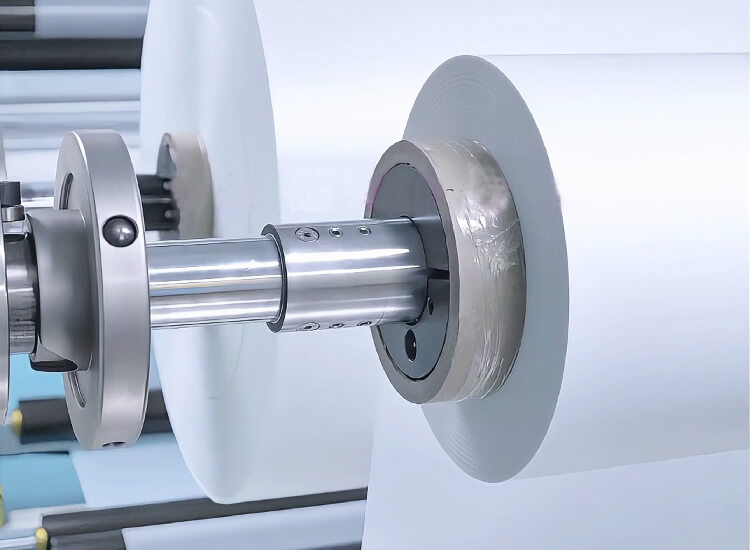
PPF Manufacturing: Identify Who Performs Each Operation
Distinguish upstream resin and base-film production from finished-film processing. ELOV performs coating, laminating, slitting and packaging in-house; raw materials are purchased externally and custom packaging boxes are produced by external partners.
ELOV operates a self-owned 96,000 sqm site, including 73,000 sqm of production area, with 10 PPF-related lines: 4 coating, 2 laminating, 2 slitting and 2 packaging lines. For evidence relevant to an order, review the manufacturing guide and factory QC checklist.
Compare Brands at the Product Level
Use the manufacturer’s current technical documentation for the exact model and market. Do not assign a competitor’s product to PVC, TPH or aromatic TPU based on an unsupported comparison table. Also distinguish films from liquid coatings: XPEL identifies FUSION PLUS as a ceramic coating, so it should not be listed as a PPF roll with film thickness and roll pricing.
Choose an ELOV Model and Request a Comparable Quote
Compare Clear PPF specifications, Matte PPF specifications and Color PPF specifications. Confirm TPU brand, thickness, adhesive and coating by model rather than applying one specification across the entire range.
| Product Range | Standard MOQ | Warranty from Installation |
|---|---|---|
| Clear PPF | 20 rolls | 5-10 years, by model |
| Matte PPF | 20 rolls | 10 years |
| Color PPF | 20 rolls | 5 years |
Samples start from 1 roll. OEM packaging and private-label custom orders start from 100 rolls; different models can be mixed. Coverage, exclusions and claim requirements follow the written warranty. Request a dated quote with model, quantity, roll size, packaging, delivery destination and shipping terms.
OEM Packaging and Preparation Times
ELOV supports custom boxes, inner bags and backing logos. Preparation estimates from payment are 1-2 working days for samples, 2-3 for stock orders, about 7 for regular production, about 10 for OEM packaging and 15-20 for custom products. Confirm current availability, artwork and the order-specific schedule; freight transit is additional.
Review OEM packaging requirements or request material samples and a wholesale quote. Include the intended market and installer feedback so the proposed model can be evaluated against the actual application.
TPU vs TPH vs PVC PPF FAQ for Wholesale Buyers
Which PPF material is best for wholesale buyers?
Start with the intended application and a documented model specification. Aliphatic TPU grades are used in automotive PPF, but the complete construction, coating, adhesive, sample results and written warranty determine whether a specific film fits the program.
Is TPH PPF the same as TPU PPF?
Do not assume equivalence. Ask the supplier to identify the exact base polymer and layer construction of a product sold as TPH. Compare the specification, test reports and sample installation rather than relying on the label.
Can PVC film be used for a premium PPF program?
Evaluate the exact finished product and its documented intended use. Verify conformability, weathering, adhesive behavior, coating performance and the written warranty before making premium or long-term protection promises.
How should buyers test TPU, TPH and PVC samples?
Use representative test panels and the supplier installation instructions. Record the model, batch, surface preparation and conditions. Compare appearance, installation behavior, coating response and edge stability; assess weathering using applicable reports rather than a brief sample demonstration.
What are the ELOV sample, wholesale and OEM minimum orders?
Samples start from 1 roll. Standard orders start from 20 rolls for Clear PPF, 20 for Matte PPF and 20 for Color PPF. OEM packaging and private-label custom orders start from 100 rolls. Different models can be mixed; confirm availability and the order mix.