Paint Protection Film Standards Guide for Wholesale Buyers
PPF Standards: What Wholesale Buyers Should Check First
For distributors and private label buyers, paint protection film standards should be translated into practical purchasing checks: TPU material source, coating stability, adhesive behavior, thickness tolerance, self-healing, hydrophobic performance, yellowing resistance, warranty logic and factory QC traceability.
- Before comparing price: review TPU vs TPH vs PVC PPF and confirm the material tier.
- Before bulk orders: use the PPF factory QC checklist and request sample testing.
- Before private label launch: compare clear PPF specifications, color PPF specifications and OEM PPF packaging.
ELOV supports sample orders, model comparison and OEM/ODM packaging for wholesale PPF buyers. Contact ELOV PPF for model-level data and factory support.
Paint protection film is a film applied to suitable vehicle surfaces. PPF industry standards references should help buyers verify the chosen product, not substitute for its specification. This guide separates test procedures, agreed acceptance criteria and documentary evidence so wholesale buyers can review comparable information before ordering.
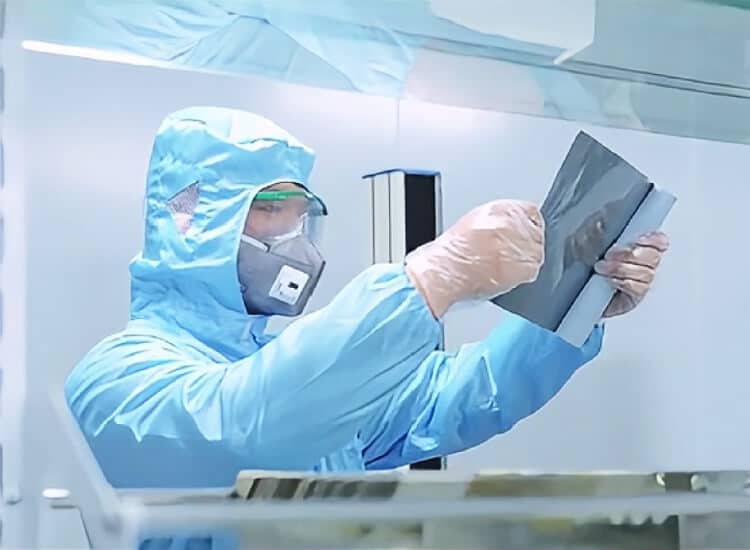
Include Coating Recovery in PPF Standards Checks
Material standards should be connected with surface performance. The self-healing PPF coating test guide helps buyers add self-healing, hydrophobic behavior and coating consistency checks to their wider PPF quality approval process.
PPF Standards Checklist for Wholesale Quality Control
Paint protection film standards should help buyers make repeatable purchasing decisions. For distributors, installer chains and private label buyers, the most useful standard is not one single number. It is a checklist that connects material selection, coating performance, adhesive behavior, sample approval, production QC, batch traceability, shipping and warranty review.
| Standard Area | What Buyers Should Confirm | Related ELOV Resource |
|---|---|---|
| TPU material and film tier | Confirm whether the film is positioned for professional TPU PPF, budget protection or short-term use. | TPU vs TPH vs PVC comparison / PPF model comparison |
| Specification consistency | Check thickness, roll size, warranty, finish, coating and model naming before repeat orders. | Clear PPF specs / Color PPF specs |
| Sample approval | Test stretch, adhesive feel, hydrophobic behavior, self-healing response and installer feedback before bulk orders. | PPF sample order checklist |
| Factory QC process | Review coating, adhesive, appearance, roll edge, packaging, labels and inspection records. | PPF factory QC checklist |
| Batch traceability | Connect batch code, carton number, roll model, shipment date and installer feedback for warranty review. | Batch traceability guide |
| Shipping and storage | Protect inspected film from carton damage, pressure marks, heat, moisture and poor warehouse rotation. | Roll shipping checklist / Roll storage guide |
| Warranty control | Separate real material issues from storage damage, installation mistakes and customer-use damage. | Reduce PPF warranty claims |
| Factory capability | Confirm production scale, certifications, monthly capacity and repeat supply before building a distributor program. | ELOV PPF factory capabilities |
For buyers comparing product standards and price together, review the PPF China price guide, PPF cost guide and contact ELOV PPF with your target model, quantity, market and packaging requirements.
Paint Protection Film Materials and Composition
Start with the exact model and film construction. TPU means thermoplastic polyurethane and PVC means polyvinyl chloride. For a film sold as TPH, request the supplier’s stated composition; the label alone does not establish its formulation or prove better performance than TPU.
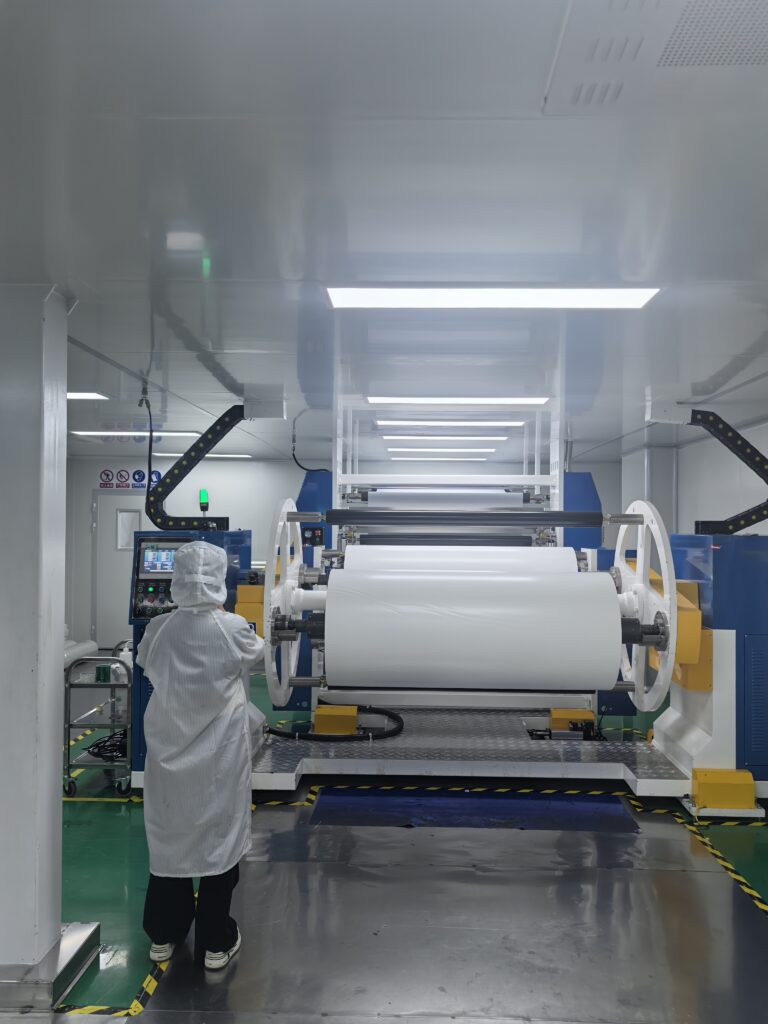
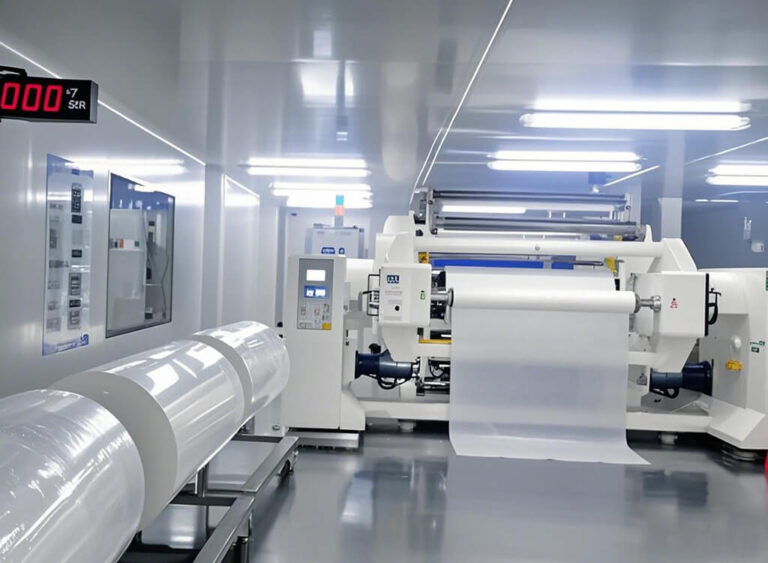
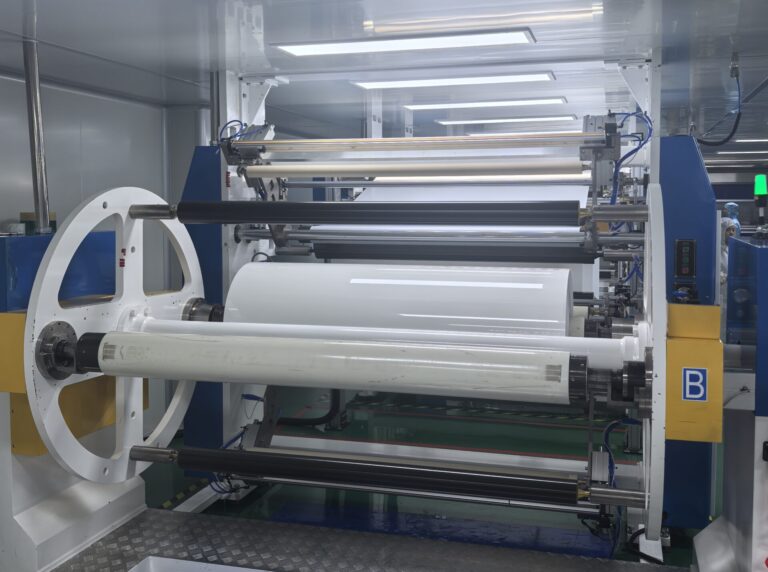
Evaluate the base film, coating and adhesive together. Do not infer scratch recovery, weathering performance or warranty from a material name alone. ELOV’s TPU brand, thickness, adhesive and coating vary by model; review the material comparison and model specifications before ordering. ELOV performs coating, lamination, slitting and packaging in-house; raw materials are purchased externally and custom packaging boxes are outsourced. See the manufacturing guide for the production workflow.
Main PPF Physical Performance Checks
A test method is not a universal PPF pass mark. Record the method and edition, specimen identification, conditioning, test settings, units, result and agreed acceptance criterion. A number without these details is not a reliable basis for comparing suppliers. The checklist below requests evidence; it does not invent minimum values for every film.
| Check | Evidence to Request |
|---|---|
| Tensile and elongation | Method and edition, specimen thickness and direction, preparation, test speed, measured result and units. |
| Tear resistance | Specimen geometry, thickness, direction, method, units and result. Do not compare differently prepared samples as equivalent. |
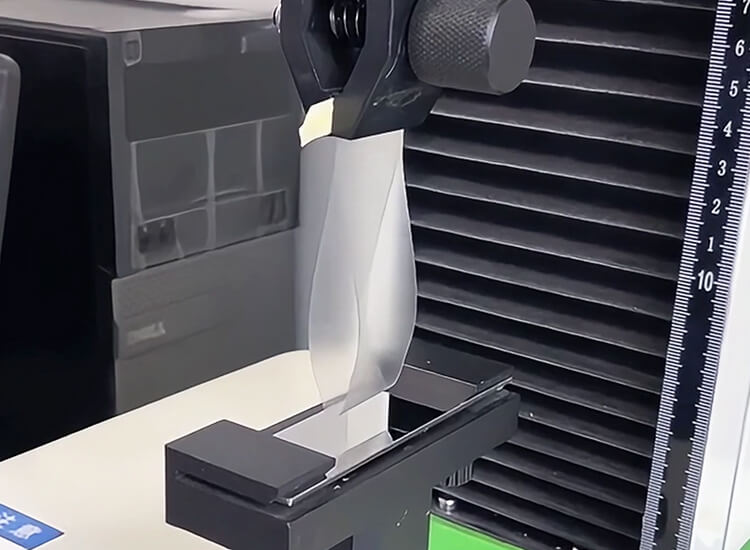
| Adhesion | Substrate, dwell time, temperature, peel angle, speed, units and observed failure mode. |
| Abrasion | Abrading medium, load, cycles, sample mounting and reported endpoint, such as appearance or optical change. |
| Weathering | Exposure source, cycle, temperature, moisture conditions, duration and before/after assessment. |
| Self-healing | Scratch preparation, recovery temperature and time, lighting and repeatable visual or measured assessment. |
| Optical performance | Clear, matte or colored finish; sample construction; method; and measured haze or transmission where applicable. |
How to Read an ASTM Reference
ASTM D882 covers tensile properties of thin plastic sheeting. Its published scope explains that preparation, thickness, testing speed and other conditions can affect results. Ask the laboratory to confirm the appropriate method for the actual specimen rather than treating different tensile methods as interchangeable.
ASTM D1003 addresses haze and luminous transmittance of transparent plastics. This is not a reason to apply one clear-film optical target to every matte or colored PPF. Specify the finish and construction and use comparable specimens.
Adhesion and Sample Installation
Compare samples on documented, suitable painted panels using the same installation procedure. Record adhesive handling, edge behavior, visible defects and removal observations. Record panel condition and cure status as well as film identity. A short sample test is an approval step, not proof of lifetime performance on every paint system.
Abrasion, Coating Recovery and Weathering
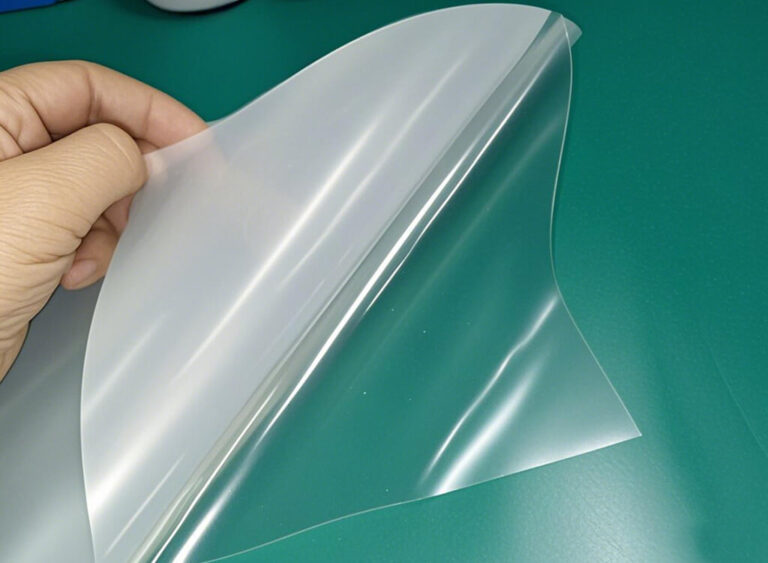
Keep abrasion resistance and self-healing separate: a recovery demonstration does not prove resistance to every scratch or impact. Use a written coating test procedure, retain before/after images under consistent lighting, and identify the recovery conditions. Avoid uncontrolled heating; follow the selected film’s instructions and equipment safety guidance.
ASTM G154 describes operating fluorescent UV exposure apparatus. Its scope does not select the best exposure conditions for every material. Request the actual cycle and the post-exposure evaluation, not just a statement that a film was tested for a certain number of hours. Do not turn laboratory exposure hours into a warranty duration without supporting evidence.
Paint Protection Film Dimensions and Tolerances
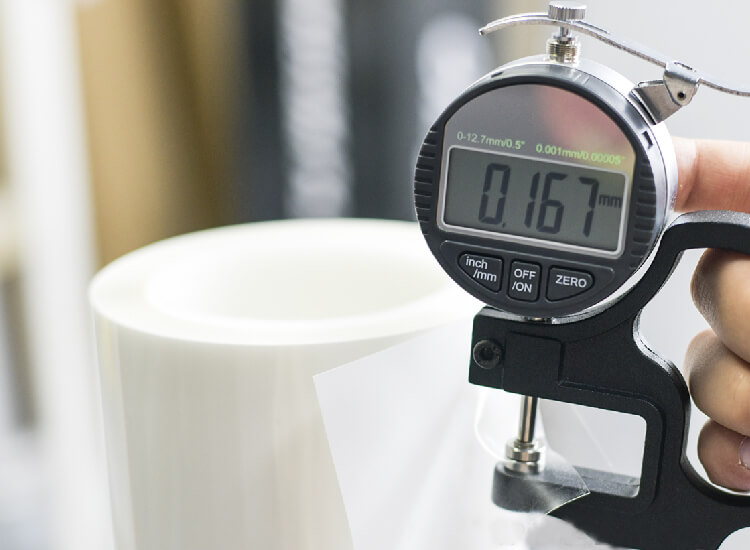
Confirm whether thickness includes the installed coating, base film and adhesive, or also includes removable protective layers and release liner. Record the measurement method, locations and tolerance. One mil equals 25.4 micrometers; keep units and rounding consistent across the report, quotation and product page.
ELOV’s listed standard PPF roll size is 1.52 m x 15 m per roll. Confirm the selected model, usable width, supplied length and any agreed tolerance on the quotation. Roll dimensions and model thickness are product specifications, not universal industry requirements. Compare Clear PPF specifications and Color PPF specifications rather than applying a single thickness to the whole range.
Chemical Resistance and Environmental Conditions
Request the actual chemical or test solution, concentration, contact time, temperature, cleaning procedure and acceptance criteria. An undefined claim such as chemical resistant does not establish performance against every fuel, solvent, cleaner or road contaminant. Qualified personnel should conduct chemical testing with suitable facilities and safety controls.
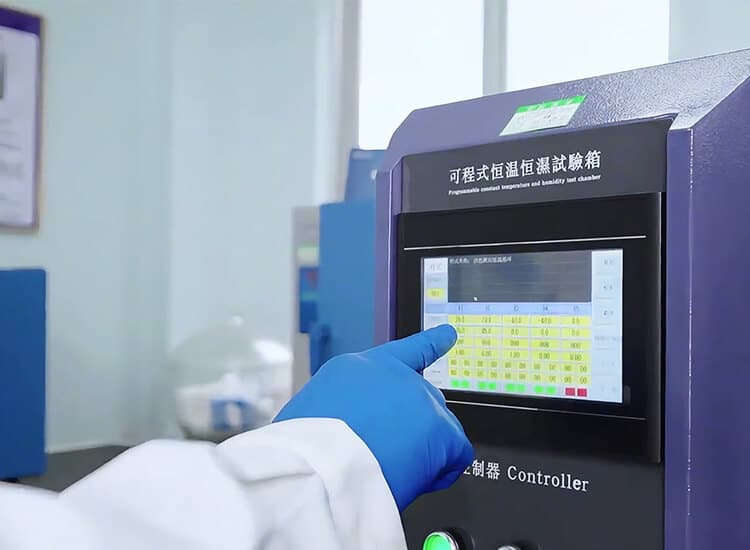
For humidity and temperature tests, record the cycle and check defined outcomes such as appearance, adhesion and dimensional change. Ask for evidence relevant to the target climate. Use the model’s documented service and storage conditions rather than a universal temperature range. Keep installation temperature, storage temperature and service temperature distinct.
Installation Approval and Batch Quality Control
Follow the selected film’s installation instructions for surface preparation, application conditions, solution, stretching and post-installation care. Before approving bulk supply, agree on an inspection plan covering roll appearance, edges, thickness, packaging, labels and retained samples. Record how defects are classified and what happens when a batch fails the agreed criteria.
Connect sample approval to a model, batch and dated specification. Keep the carton and roll identifiers with test results and installation feedback. Ask the supplier to notify you of relevant material or construction changes before repeat orders. The factory QC checklist and batch traceability guide support this review.
Certificates, Test Reports and Market Requirements
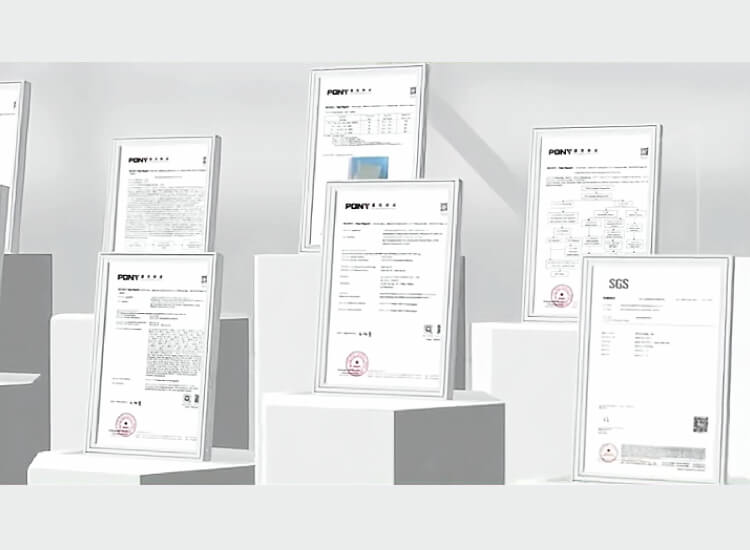
Company certificates, finished-product reports and material-supplier documents are different evidence. A certificate image alone does not establish that a specific film, batch or export destination is covered. Request a readable current document and verify its issuer, named organization or product, scope, edition, dates and identification number.
- Management-system certificate: check the organization, site and certified scope. ISO’s conformity guidance distinguishes management-system certification from product certification. An ISO 9001 certificate does not by itself certify the PPF’s physical performance.
- Finished-product test report: identify the tested model, specimen, method, conditions, date and measured results. Verify that the supplied film matches the report.
- Material-supplier document: verify the material grade and relevance to the chosen model. It does not replace a finished-film report.
For imports or restricted-substance requirements, ask a qualified compliance specialist or the relevant authority to confirm applicability to the exact product, use and destination. Do not treat a generic list of certification logos as proof of market access. This guide is a purchasing checklist, not a legal determination of required approvals.
Request ELOV Samples and Model-Level Documents
Send the target model or color, market, required tests, quantity, roll size and packaging requirements. Request the current specification, available supporting reports and written warranty before approving an order.
- Samples: from 1 roll.
- Standard wholesale orders: Clear PPF from 20 rolls, Matte PPF from 20 rolls and Color PPF from 10 rolls.
- OEM packaging and private-label custom orders: from 100 rolls. Different models can be mixed; confirm availability and the order mix.
Preparation estimates from payment are 1-2 working days for samples, 2-3 for stock orders, about 7 for regular production, about 10 for OEM packaging and 15-20 for custom products. Confirm artwork and the order-specific schedule; freight transit is additional. ELOV supports custom boxes, inner bags and backing logos through its OEM packaging service.
Warranty periods run from installation: Clear PPF 5-10 years by model, Matte PPF 10 years and Color PPF 5 years. Coverage, exclusions and claim requirements follow the applicable written policy; these periods are not test-method pass marks.
Paint Protection Film Industry Standards FAQ for Wholesale Buyers
Which PPF standards should wholesale buyers check first?
Start with the selected model specification, test methods and editions, specimen identification, conditions, units and agreed acceptance criteria. Review thickness, adhesion, optical performance where applicable, weathering, coating recovery and batch traceability.
Is there one universal passing value for all PPF?
Do not assume that a test-method reference sets one passing value for every film. Agree on model-specific acceptance criteria and compare results only when methods, specimen construction and conditions are comparable.
Is thickness enough to judge PPF quality?
No. Verify the measured layers and tolerance, then review coating, adhesive, surface finish, sample installation, documented performance and written warranty. Thickness alone does not establish durability.
Does an ISO 9001 certificate certify the PPF product?
No. Management-system certification and product certification are different. Check the certificate scope and request model-specific test evidence separately.
What should accompany an ELOV sample request?
Provide the model or color, target market, test requirements, quantity, roll size and packaging needs. Samples start from 1 roll; standard Clear and Matte PPF orders start from 20 rolls, Color PPF from 10 rolls, and OEM packaging or private-label custom orders from 100 rolls.