PPF Batch Traceability Guide for Wholesale Buyers
When wholesale buyers compare paint protection film suppliers, they often start with price, thickness, gloss, self-healing performance and warranty. These points are important, but they do not answer one practical question: if a distributor receives a customer complaint six months later, can the supplier identify the roll, production batch, material source and inspection record quickly?
This is why PPF batch traceability matters. For distributors, installer chains, importer brands and private label buyers, traceability is not only a factory management detail. It is a risk-control system that protects warranty handling, brand reputation and repeat supply.
Batch Traceability and Carton Label Control
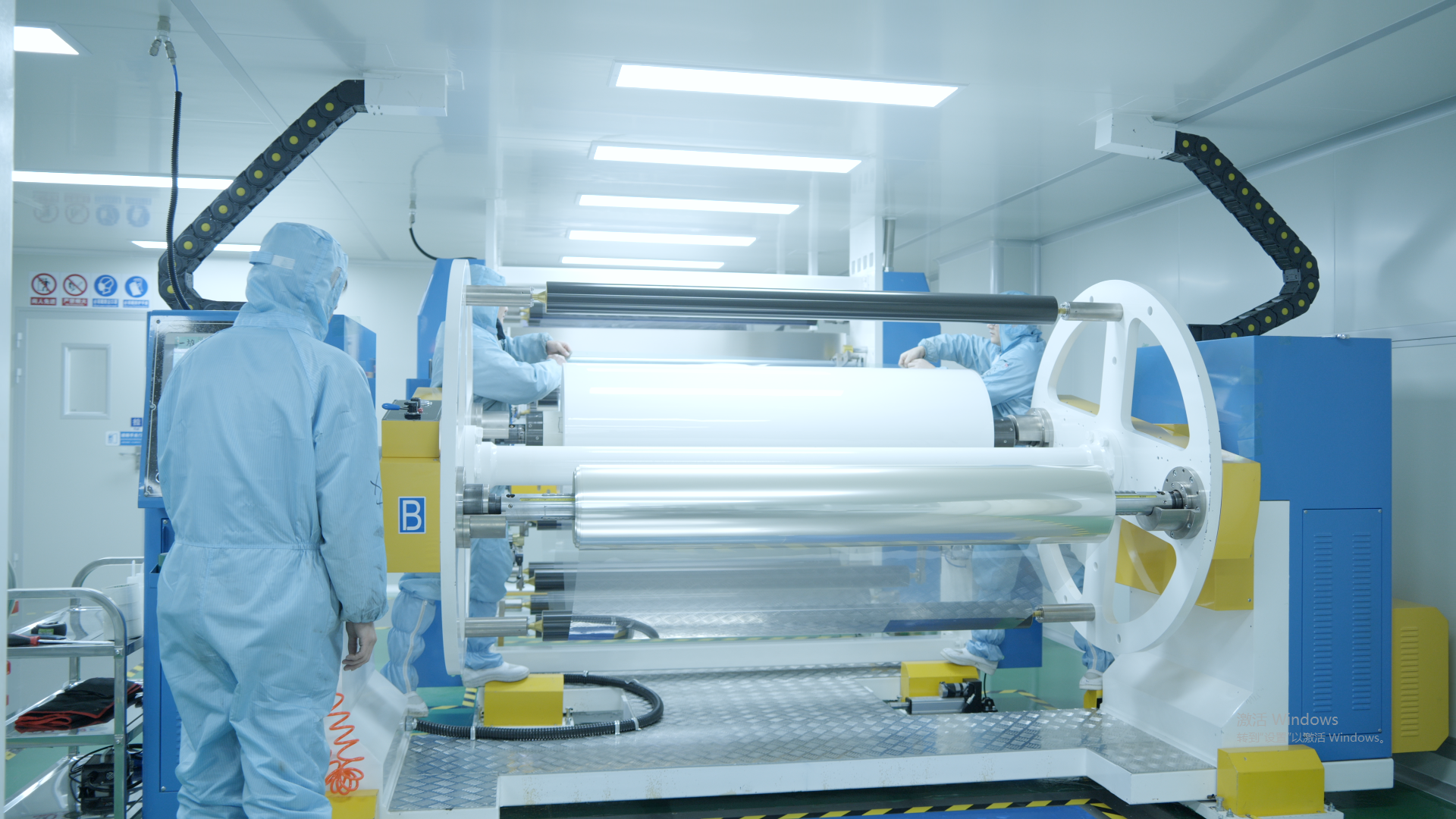
Batch records are most useful when they match the carton labels used in warehouse receiving and dealer delivery. Wholesale buyers should connect production batch, model, roll size, quantity and carton number with the PPF carton label requirements so claims, repeat orders and private-label inventory can be checked faster.
What Is PPF Batch Traceability?
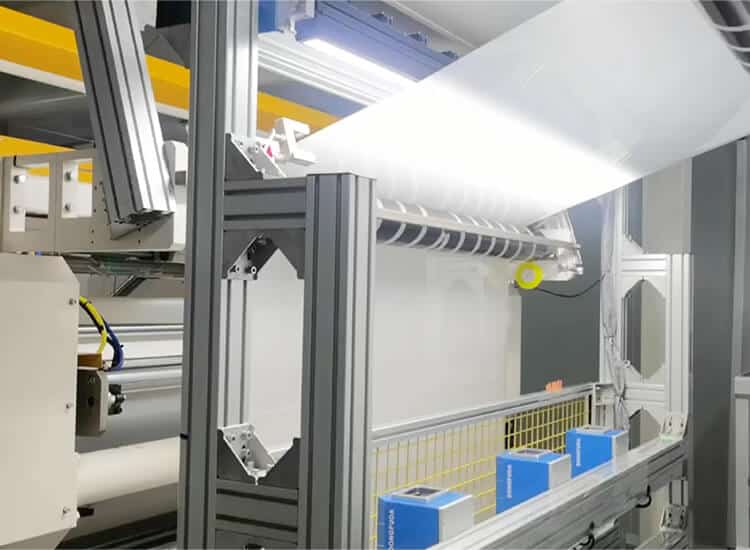
PPF batch traceability means each roll can be connected to key production and quality information. A complete system may include model name, roll size, production date, batch code, TPU material, coating batch, adhesive batch, inspection record, packaging record and shipment information. The goal is to make every roll easier to identify before and after it enters the buyer’s inventory.
Without traceability, quality feedback becomes vague. A buyer may only know that “some rolls had installation problems” or “one installer reported adhesive marks.” With batch tracking, the supplier and buyer can narrow the issue to a model, batch, date range or shipment. This makes problem solving much faster and more professional.
Why Wholesale PPF Buyers Should Care
For a single installer shop, one defective roll is inconvenient. For a distributor, one unclear batch can affect dozens of installers and many vehicle owners. The larger the sales network becomes, the more important traceability becomes. It helps buyers answer three important questions: which rolls were affected, which customers received them and whether the issue is isolated or repeated.
Traceability is also useful when buyers compare suppliers. A factory that can explain batch records usually has a stronger quality-control mindset than a supplier that only shows catalog photos. If you are still evaluating factories, read how to evaluate a PPF factory before a wholesale order and the PPF factory QC checklist.
What Information Should Be Tracked?
A practical PPF roll tracking system does not need to be complicated, but it should be consistent. Buyers should ask the factory what information is recorded and how it appears on roll labels, packaging or shipment documents.
- Product model and SKU, such as clear, matte or color PPF series.
- Roll size, commonly 1.52m x 15m for wholesale PPF rolls.
- Production date and batch number.
- TPU material and related production lot information.
- Coating and adhesive batch details where applicable.
- Thickness and surface inspection results.
- Packaging date, carton quantity and shipment record.
- OEM/ODM packaging or backing logo version for private label buyers.
These records help connect technical data with real sales and installation feedback. Buyers can also compare model information on the Clear PPF specifications and Color PPF specifications pages when planning a traceable product catalog.
How Traceability Supports Warranty Claims
Warranty claims are easier to manage when the buyer and supplier can identify the exact roll. If an installer reports yellowing, adhesive marks, coating defects or edge problems, the first step should not be guesswork. A batch code allows both sides to check whether other rolls from the same batch had similar feedback.
This does not mean every complaint is caused by manufacturing. Installation environment, surface preparation, slip solution, stretching and aftercare can also affect performance. However, traceability gives both sides a factual starting point. It helps separate product issues from installation issues and makes the conversation more professional.
For more warranty planning, review how distributors can reduce PPF warranty claims and the PPF installer training checklist.
Traceability for OEM and Private Label PPF
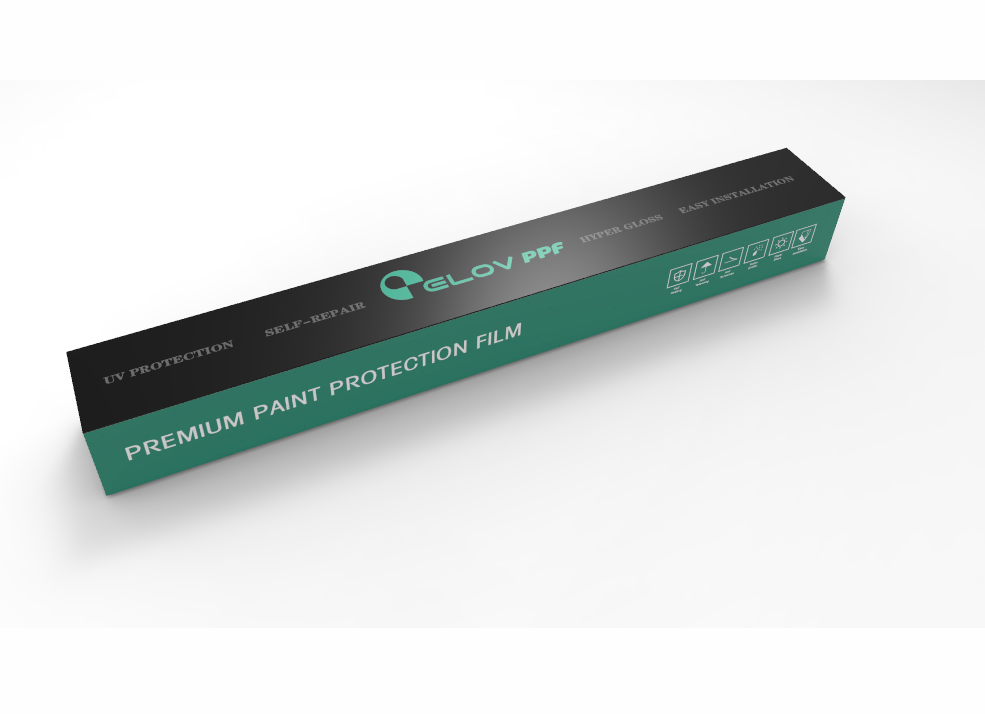
Private label buyers need traceability even more because the product is sold under their own brand. If a buyer uses custom boxes, inner bags or PPF backing logos, the factory should help keep model and batch identification clear. Good packaging design should not remove important operational data.
For example, a private label distributor may sell clear PPF, matte PPF and color PPF under different product names. The packaging can look brand-focused, but the internal roll label or shipment record should still allow the buyer and factory to identify the ELOV model, batch and production date. This protects the buyer if a dealer later asks for technical support.
ELOV supports custom brand packaging boxes, custom inner bags and custom PPF backing logo options. When planning OEM packaging, review OEM PPF packaging and the private label PPF packaging checklist.
How Buyers Can Build a Simple Tracking Workflow
Distributors do not need a complex system at the beginning. A simple spreadsheet can already improve control. Record the supplier, model, batch code, roll number, purchase date, customer or installer, installation feedback and claim result. Over time, this creates a useful database for product decisions.
When testing samples, use the same logic. Record sample roll information, installer feedback, vehicle type and installation conditions. This connects sample testing with future bulk orders and helps buyers choose the right models for their market. The PPF sample order checklist and PPF sample and MOQ ordering pages can support this workflow.
Questions to Ask Your PPF Factory
Before placing a larger order, wholesale buyers can ask a few direct questions:
- Do your rolls include model and batch identification?
- Can you connect a roll to production and inspection records?
- How do you record TPU, coating and adhesive batch information?
- Can OEM packaging keep our brand design while preserving traceability?
- How should we report installation feedback or warranty claims?
- What information should be included when requesting after-sales support?
A supplier that answers clearly is easier to work with after the order. A supplier that avoids these questions may create more risk for a growing distributor network.
FAQ
Is PPF batch traceability only needed for large distributors?
No. Even small distributors benefit from tracking model, batch and customer information. It becomes more valuable as order volume and installer networks grow.
Does batch tracking prevent all quality problems?
No system can prevent every issue, but traceability helps identify the source faster, compare feedback and handle claims with better evidence.
Should private label PPF packaging show batch information?
Yes. Brand packaging can stay clean and professional, but roll labels or shipment records should still preserve model and batch identification.
What is the first step for a new buyer?
Start by requesting samples, recording roll information and comparing installer feedback before bulk orders. This creates a traceable workflow from the first test.
Final Thoughts
PPF batch traceability is one of the quiet details that separates a short-term supplier from a long-term manufacturing partner. It supports quality control, warranty handling, OEM packaging and repeat supply. For buyers building a serious PPF business, traceability should be part of the sourcing conversation from the first sample order.
To compare ELOV clear, matte and color PPF for your market, explore the PPF collection, review ELOV PPF factory capabilities or contact ELOV PPF for sample and wholesale support.