How to Evaluate a PPF Factory Before Placing a Wholesale Order
Choosing a PPF factory is not only a price decision. For a distributor, installer group or private label buyer, the wrong supplier can create late deliveries, unstable film quality, difficult warranty claims and weak brand confidence. A reliable paint protection film partner should be evaluated through production capacity, raw material control, coating performance, quality testing, packaging support and after-sales communication.
This guide gives wholesale buyers a practical checklist for evaluating a PPF factory before placing a sample order or monthly purchase plan.
1. Start With Real Production Capacity, Not Only Sales Claims
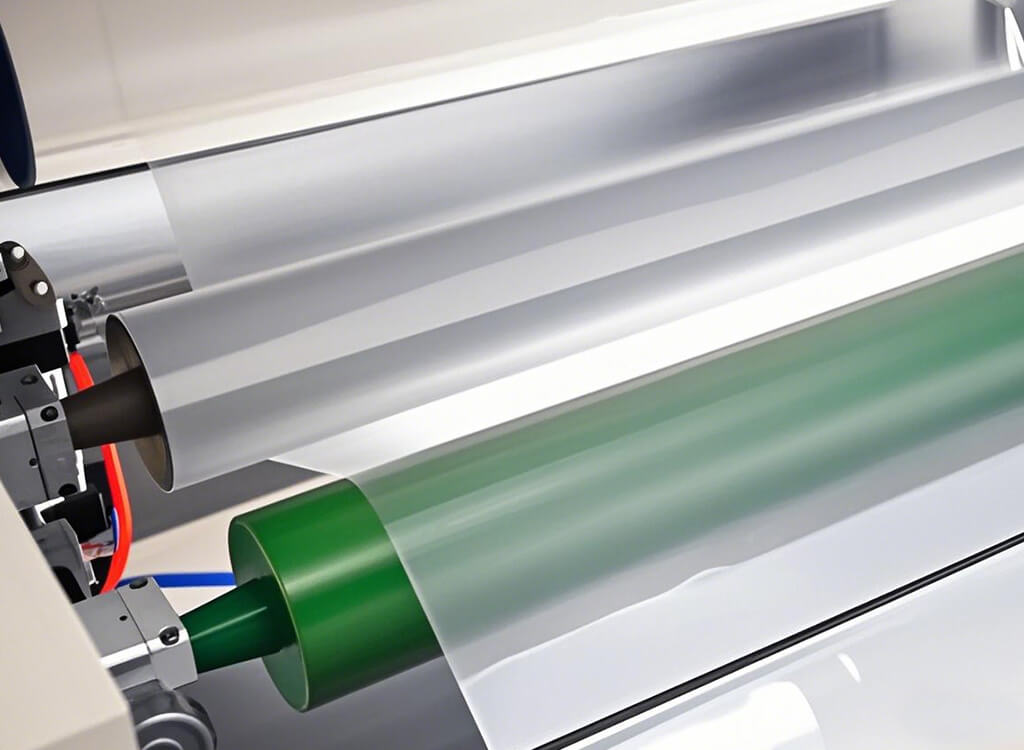
A serious wholesale PPF supplier should be able to explain its production capacity in measurable terms. Buyers should ask how many production lines are available, how many rolls can be supplied per month, and whether the factory keeps stock for fast-moving clear, matte and color PPF models.
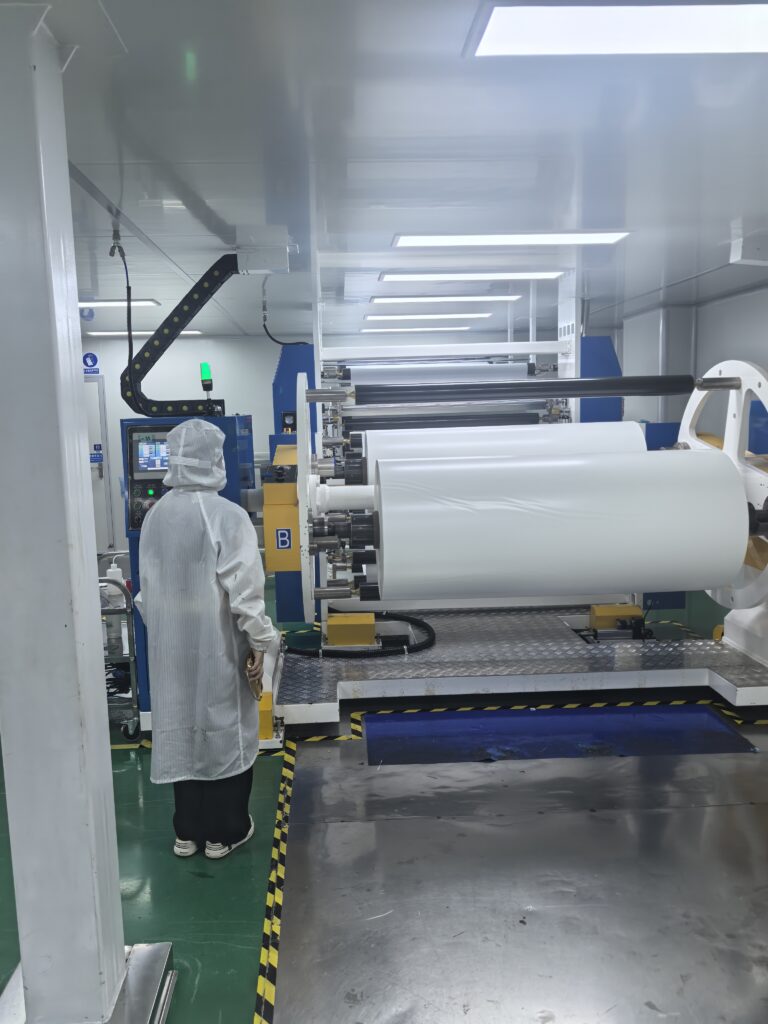
ELOV PPF Technology Co., Ltd was established in 2013 and operates a modern factory with 96,000 square meters total factory area, 10 PPF-related lines and stable monthly Clear PPF capacity of 50,000 rolls. These numbers matter because wholesale buyers often need stable delivery during seasonal demand, dealer promotions or new color launches.
Before confirming a supplier, compare the factory information with its actual product range. A supplier that claims high capacity but offers only limited models may not be suitable for growing distributors. You can review ELOV’s production and supply details on the PPF factory capabilities page.
2. Check TPU Material and Film Structure
The base TPU material is one of the most important factors in long-term PPF performance. Wholesale buyers should ask whether the film uses aliphatic TPU, which TPU brands are available, and how the factory controls thickness consistency. A small difference in TPU quality can affect yellowing resistance, stretchability, installation behavior and warranty confidence.
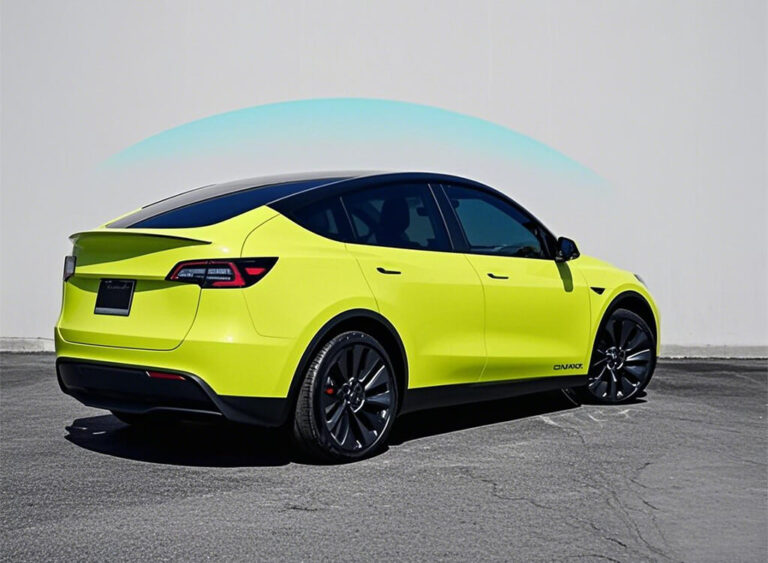
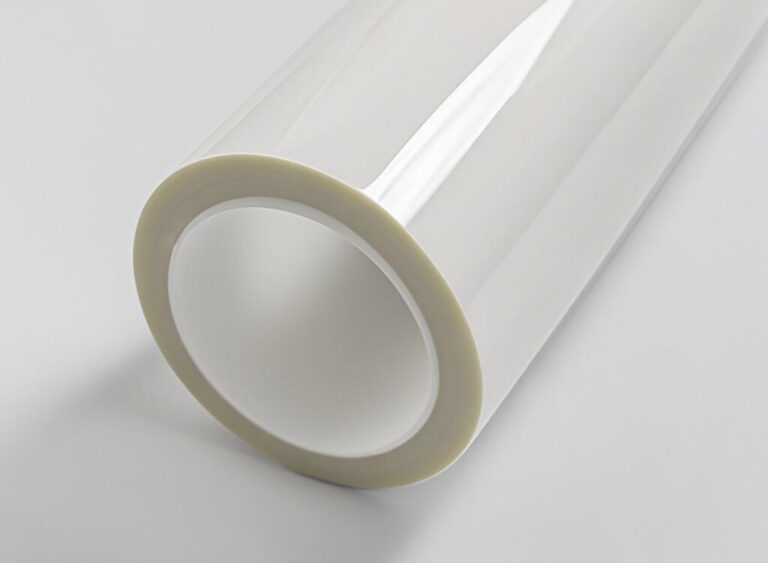
For clear PPF programs, buyers should compare model thickness, coating type, adhesive performance and warranty position. For color PPF programs, buyers should also check color stability, surface finish, removable adhesive and whether the factory can support both sample boards and bulk roll orders.
Useful comparison pages include Clear PPF specifications, Color PPF specifications and the PPF model comparison guide.
3. Review Coating, Adhesive and QC Testing
Good PPF is not defined by TPU alone. The top coating affects self-healing, stain resistance, hydrophobic performance and gloss retention. The adhesive affects installation speed, paint safety, repositioning and residue after removal. For a wholesale buyer, these details directly influence installer satisfaction and repeat orders.
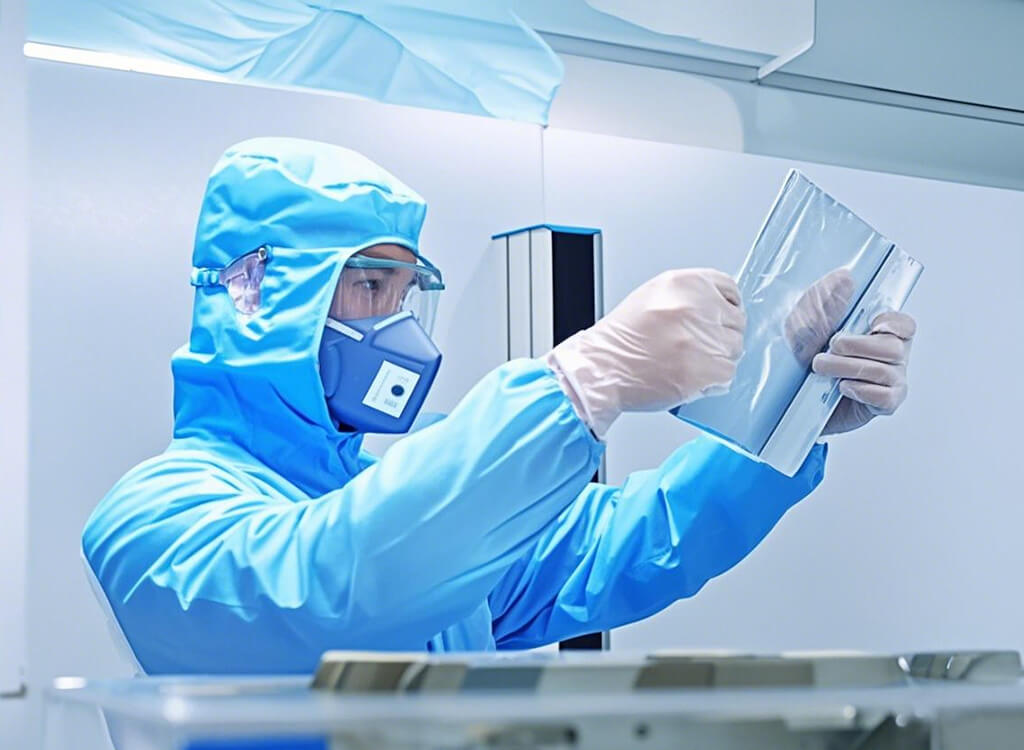
Ask the factory how it tests gloss, peel strength, elongation, tear strength, coating uniformity and batch consistency. A factory that can explain testing standards is usually easier to work with when you need stable private label products across multiple shipments.
4. Evaluate OEM and ODM Support Early
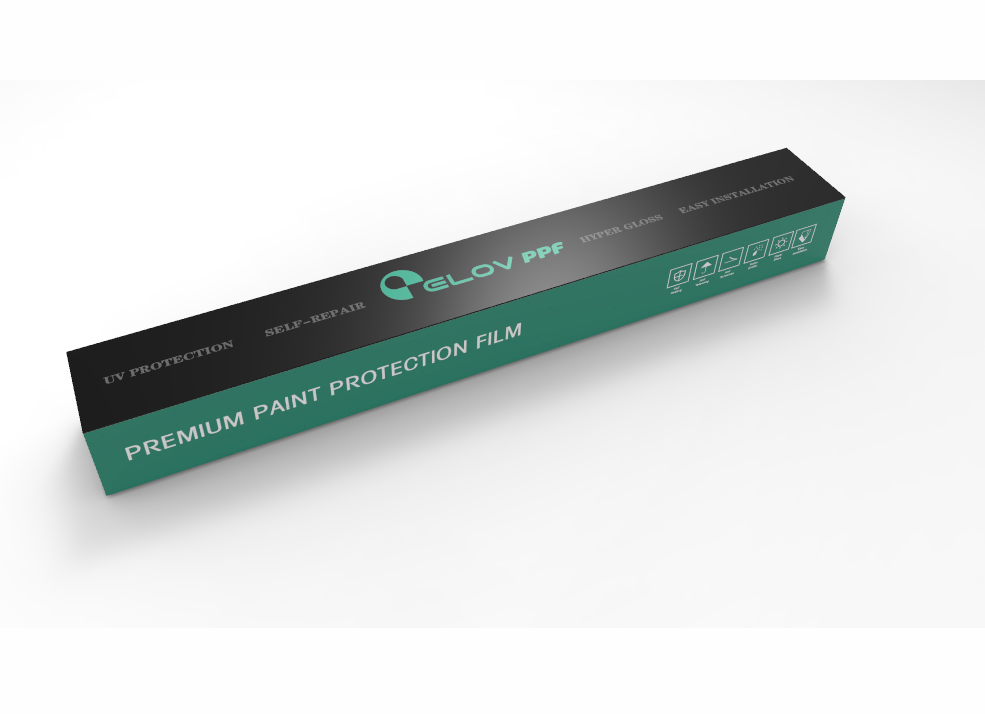
If your goal is to build a local automotive film brand, OEM support should be discussed before your first large order. A strong PPF factory should be able to support custom brand boxes, inner bags and backing liner logos. This is important because packaging affects how installers and dealers perceive your brand even before they test the film.
ELOV supports OEM and ODM packaging, including custom brand packaging boxes, custom inner bags and customized backing-logo options. Buyers can review available private label options on the OEM PPF packaging page.
5. Use Sample Orders to Test Real Cooperation
Before a container order or recurring monthly purchase, a sample order is the safest way to test cooperation. Do not evaluate only the film surface. Also check how fast the supplier responds, whether the packing is clean, whether technical documents are clear, and whether the product labels match your model plan.
For new distributors, a low MOQ can reduce risk. ELOV supports sample supply and low MOQ programs, including 1 roll MOQ for selected products. You can review the ordering process on the PPF sample and MOQ ordering page.
6. Match the Factory With Your Target Product Line
Different buyers need different product strategies. A detail shop expanding into wholesale may start with clear PPF and matte PPF. A distributor serving customization shops may need a wider color PPF catalog. A private label buyer may need both stable core products and packaging support.
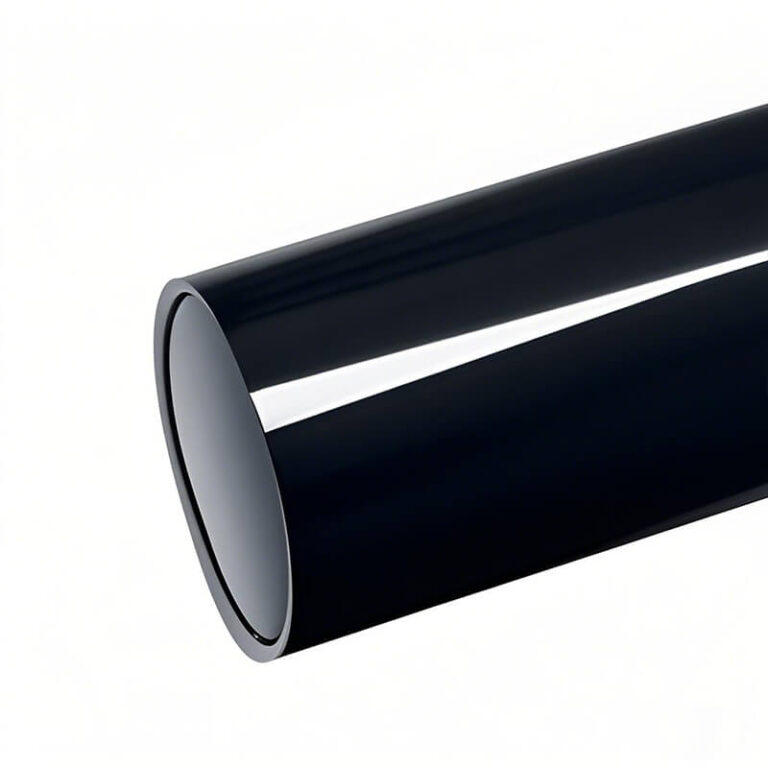
ELOV offers Clear PPF, Matte PPF and Color PPF options for wholesale and OEM buyers. This allows distributors to build a complete product matrix instead of sourcing each category from a different supplier.
7. Ask These Questions Before You Order
- How many rolls can the factory supply per month?
- Which TPU material and coating system are used?
- What warranty range is available for each product series?
- Can the factory provide samples before bulk orders?
- Does the supplier support custom box, inner bag and backing logo?
- What quality tests are performed before shipment?
- How fast can repeat orders be prepared?
FAQ
What is the most important factor when choosing a PPF factory?
For wholesale buyers, the most important factor is consistency. A factory should provide stable TPU quality, coating performance, adhesive behavior, roll size, packaging and delivery across repeat orders.
Should I choose the cheapest PPF supplier?
Low price can be useful only when the product is stable. If a cheap film causes yellowing, adhesive residue, coating failure or installer complaints, the real cost becomes much higher than the purchase price.
Can a PPF factory support private label packaging?
Yes, a qualified OEM PPF factory can support custom packaging boxes, inner bags and backing liner logo options. This helps distributors build a more professional local brand.
How should I start working with ELOV PPF?
The safest first step is to compare your target products, request samples and discuss packaging needs. You can contact ELOV PPF to request product recommendations for your market.
Final Thoughts
A good PPF factory should help you reduce risk, build product confidence and support long-term growth. Before placing a wholesale order, evaluate capacity, material, coating, adhesive, QC, packaging and communication together. This approach gives you a much clearer picture than price comparison alone.