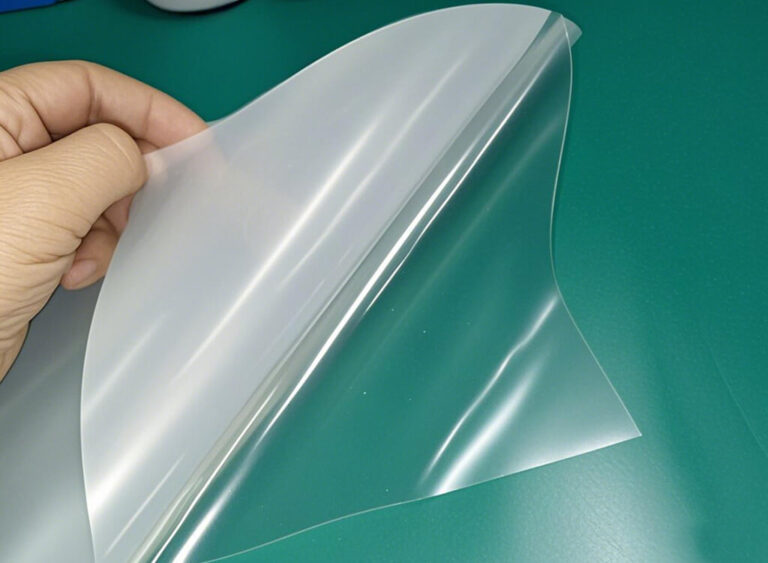
PPF Installer Training Checklist for Distributors
PPF installer training is one of the most practical growth tools for distributors. A distributor can choose a good paint protection film, build a strong product line and design professional packaging, but if installers do not understand the film, the market will still generate complaints, waste and warranty pressure.
This checklist is written for PPF distributors, dealer networks, installer chains and private label buyers who want to support customers with a simple training system. It does not replace hands-on installation practice, but it gives your sales and technical team a structure for reducing avoidable mistakes.

Installer Training Links to Shipping and Carton Labels
Installer training is easier when each roll can be identified before it reaches the workshop. Distributors should teach teams to check the PPF roll shipping checklist and PPF carton label requirements together with batch records, storage conditions and claim photos.
Installer Training Control Checklist for Distributors
PPF installer training should connect product knowledge with quality control, sample testing, storage rules, batch traceability and warranty communication. This helps distributors reduce complaints before they become expensive replacement or reputation problems.
| Training Control Point | What Distributors Should Teach | Related Resource |
|---|---|---|
| Product selection | Explain clear, matte and color TPU PPF model differences, thickness, warranty position and best-use scenario. | PPF model comparison / Clear PPF specs / Color PPF specs |
| Sample testing | Use sample rolls to evaluate stretch, adhesive feel, coating response, hydrophobic behavior and installer feedback before bulk orders. | PPF sample order checklist |
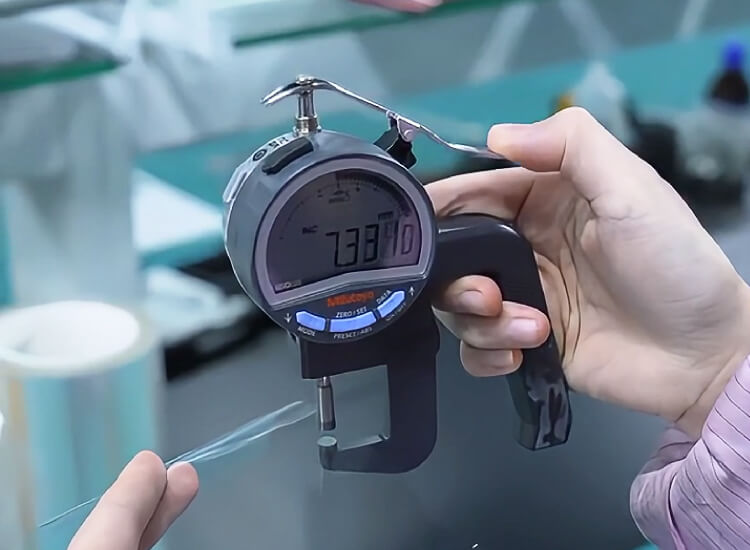
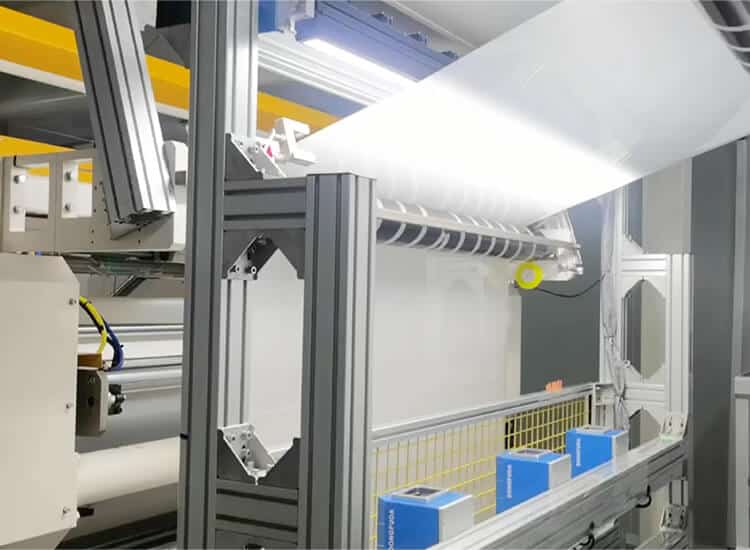
| Factory QC context | Teach installers what film surface, coating, adhesive and roll inspection points should look like before installation. | PPF factory QC checklist |
| Roll storage | Train warehouse and installer teams to protect rolls from heat, dust, moisture, pressure marks and poor stock rotation. | PPF roll storage guide |
| Batch traceability | Record model, batch, carton label, installer feedback and claim photos for faster warranty review. | Batch traceability guide |
| Warranty control | Separate film quality issues, storage damage, installation mistakes and customer-use damage before making a claim decision. | Reduce PPF warranty claims |
| Private label consistency | Keep product naming, carton labels, backing logo and packaging instructions consistent for installer training materials. | Private label PPF packaging checklist |
| Supplier support | Confirm factory capability, repeat supply, OEM packaging and technical support before expanding installer networks. | PPF factory capabilities |
For new distributor programs, start with TPU paint protection film collections, then prepare samples, installation feedback and wholesale requirements through the sample and MOQ guide. To discuss training support or product selection, contact ELOV PPF.
Why Distributors Need Installer Training
Many PPF claims are not caused by the film itself. They come from dust under the film, poor surface preparation, overstretching, wrong slip solution, incorrect storage, edge lifting, unclear product choice or unrealistic customer expectations. These issues can damage the distributor’s brand even when the material is stable.
Installer training helps distributors protect repeat orders. It also makes the product easier to sell because dealers and shops feel supported after purchase. A simple training program can cover product selection, storage, installation preparation, maintenance and claim documentation.
1. Teach the Product Range First
Installers should understand the difference between clear PPF, matte PPF and color PPF before they open a roll. Each product family has a different customer purpose. Clear PPF focuses on invisible protection. Matte PPF changes surface effect while protecting paint. Color PPF combines protection with restyling.
For clear models, explain thickness, coating, adhesive and warranty range. For color PPF, explain surface finish, color code, removable adhesive and sample-board use. Useful internal references include Clear PPF specifications, Color PPF specifications and PPF model comparison.
2. Standardize Roll Storage and Handling
Training should begin before installation. Rolls should stay clean, dry and protected from heat, sunlight, moisture and dust. Installers should not leave rolls open in a dirty workspace or near chemicals. Opened rolls should be resealed after sampling or cutting.
Distributors can share the PPF roll storage and shelf life guide with dealer customers. This keeps warehouse staff and installers aligned on how to protect adhesive performance before installation.
3. Prepare the Vehicle Surface Correctly
Surface preparation is one of the biggest training points. The vehicle surface should be washed, decontaminated and inspected before installation. Edges, badges, sensors, mirrors and difficult curves should receive extra attention because trapped dirt or residue can create visible defects.
Training should also explain when a vehicle is not ready for installation. Fresh paint, damaged clear coat, old repairs or contaminated panels may require extra inspection. This helps installers avoid claims that are not caused by PPF quality.
4. Explain Stretching, Alignment and Edge Control
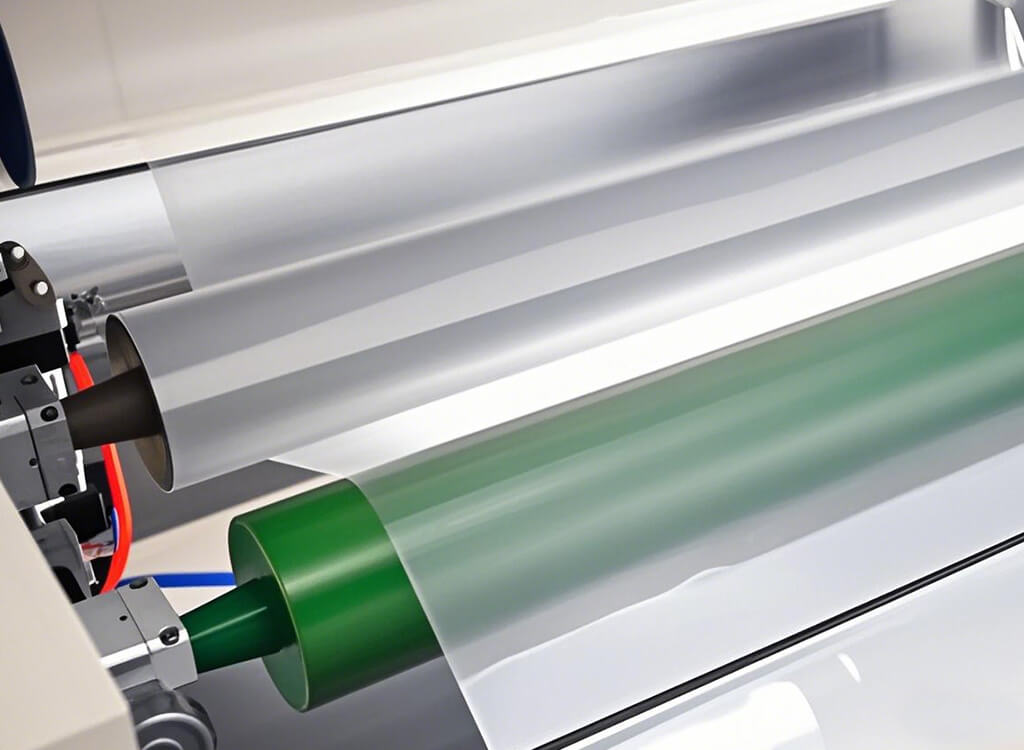
PPF is flexible, but it should not be stretched without control. Overstretching can affect gloss, adhesive behavior, edge tension and long-term appearance. Installers should learn how to position the film, release tension and manage curves without forcing the material.
Edge control is also important. Many customer complaints start with edge lifting. Proper cleaning, tension control, drying time and post-install inspection help reduce this risk. A distributor training checklist should include final edge inspection before delivery.
5. Connect Training With Warranty Control
A good installer training program reduces warranty claims because it gives everyone the same standards. Train installers to document film model, batch, installation date, vehicle condition and any unusual issues. This information helps distributors review claims more fairly.
The PPF warranty claims guide explains how distributors can build a complete claim review workflow using product data, storage records and installer notes.
6. Use Packaging Labels as Training Tools
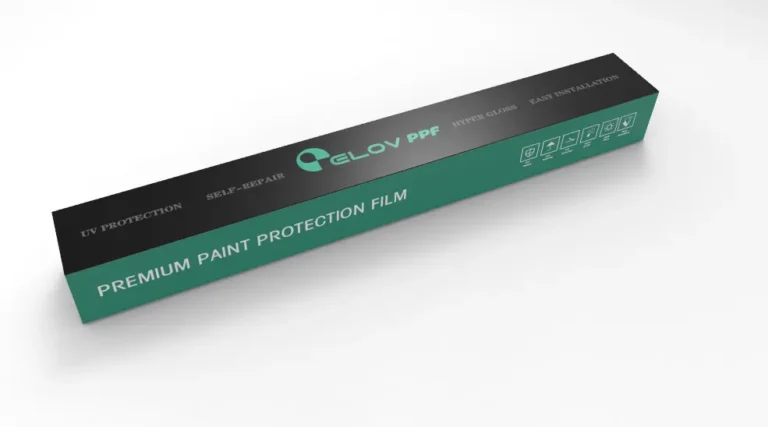
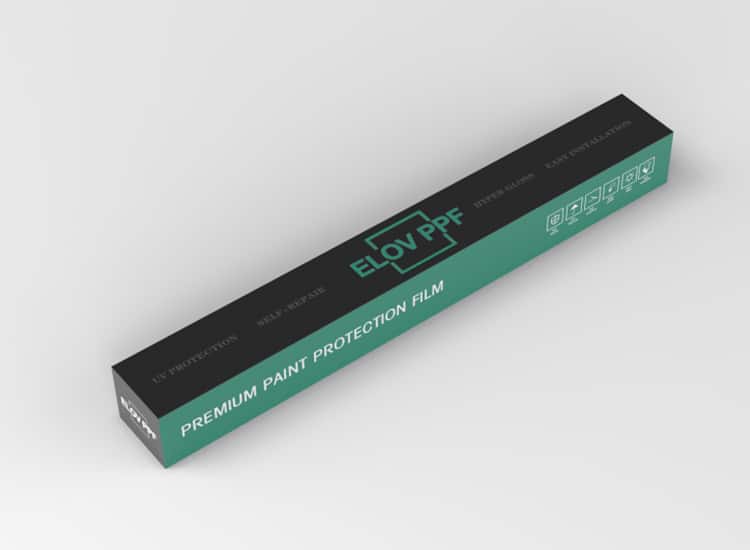
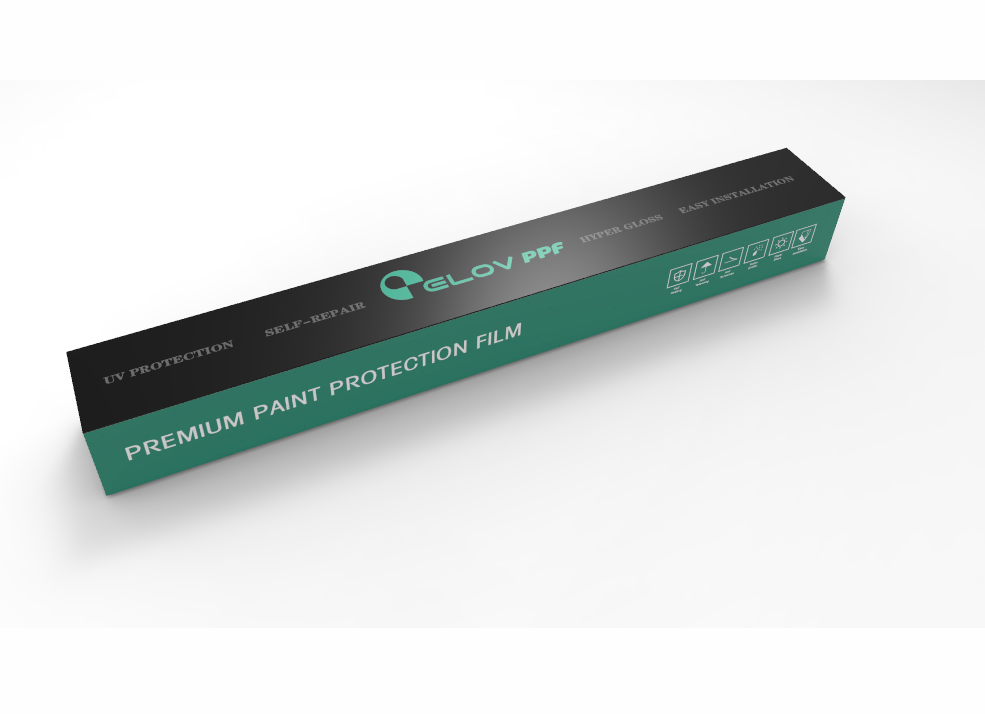
Packaging can support training if it is designed well. Labels should make it easy to identify model code, finish, roll size and batch. For private label programs, the box, inner bag and backing liner should use consistent naming so installers do not confuse similar films.
ELOV supports custom packaging boxes, inner bags and backing liner logos for OEM/ODM buyers. Review OEM PPF packaging and the private label PPF packaging checklist before building a distributor training system.
7. Give Installers a Simple Post-Installation Guide
After installation, car owners need basic care instructions. Explain when the vehicle can be washed, how to avoid pressure-washing edges too early, and how to maintain gloss or matte finish. These simple notes reduce misunderstandings and protect the installer’s reputation.
Distributors can turn post-installation care into a small printed card, PDF or dealer training sheet. This is especially useful for private label brands that want consistent customer communication across many installer partners.
Distributor Training Checklist
- Explain clear, matte and color PPF product differences.
- Teach model code, finish, thickness and warranty range.
- Set roll storage and handling rules.
- Standardize vehicle surface preparation.
- Train installers on stretch, tension and edge control.
- Record batch, model, installer and vehicle details.
- Use packaging labels to reduce product confusion.
- Provide post-installation care notes for car owners.
FAQ
Why is installer training important for PPF distributors?
Installer training reduces avoidable installation mistakes, warranty claims, product confusion and customer complaints. It also helps dealers feel more confident selling and installing the film.
What should a PPF installer training checklist include?
It should include product selection, storage, surface preparation, stretching control, edge inspection, batch tracking, warranty documentation and post-installation care.
Can packaging help with installer training?
Yes. Clear packaging labels help installers identify model code, finish, roll size and batch before installation, which reduces mistakes and supports traceability.
How can ELOV support distributor training?
ELOV can support distributors with product specifications, samples, model comparison, OEM packaging and wholesale product recommendations for clear, matte and color PPF programs.
Final Thoughts
PPF installer training does not need to be complicated. Start with product knowledge, storage rules, surface preparation, edge control and clear documentation. When training is connected to product specifications, packaging and warranty workflow, distributors can reduce complaints and build stronger long-term installer relationships. To plan a PPF product and training program for your market, contact ELOV PPF for samples and wholesale support.