PPF Roll Shipping Checklist for Wholesale Buyers
For wholesale paint protection film buyers, the order is not finished when the roll leaves the production line. A good PPF shipment must protect the film during handling, loading, export transport, warehouse storage and delivery to installers. If packing, labeling or shipment checks are weak, buyers may receive rolls with damaged edges, unclear model information, mixed batches or packaging that does not match their private label plan.
This PPF roll shipping checklist is written for distributors, importer brands, installer chains and OEM/ODM buyers who want to reduce delivery risk before placing bulk orders. It connects export packing, roll labels, batch traceability, storage and after-sales support into one practical workflow.
Why PPF Shipping Quality Matters
PPF is a technical film product. Even when the film itself is well produced, poor shipping control can affect the buyer’s experience. Rolls may be compressed, labels may be lost, cartons may be damaged, or private label packaging may arrive with inconsistent printing. These issues create extra work for the distributor before the product even reaches the installer.
For a growing wholesale business, shipping quality influences brand trust. Installers expect rolls to arrive clean, clearly labeled and ready for use. Importer brands need cartons and documents that support inventory control. Private label buyers need packaging that looks professional and still preserves technical information such as model, batch and roll size.
Start With Clear Order Information
Before packing begins, buyers should confirm order details with the factory. This includes model names, roll size, quantity, color or finish, packaging requirements, shipping marks, destination and special label instructions. Clear order information reduces the chance of mixing clear PPF, matte PPF, color PPF or different warranty tiers in one shipment.
Buyers can use the Clear PPF specifications and Color PPF specifications pages when confirming product data. For model selection before shipment planning, the PPF model comparison page is also useful.
Check Roll Packaging and Edge Protection
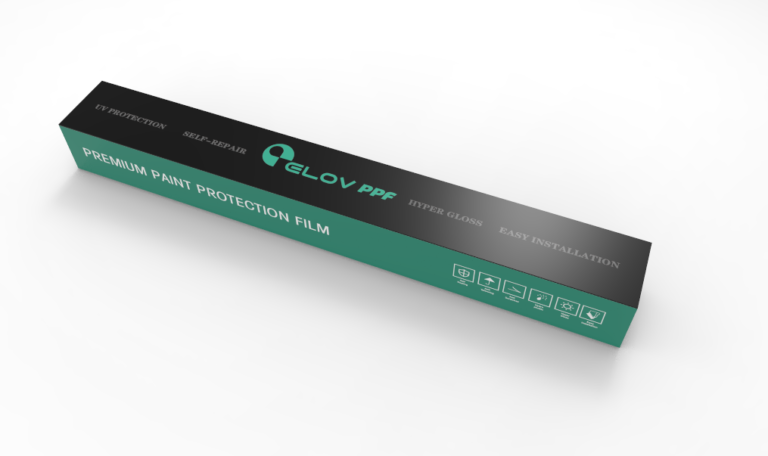
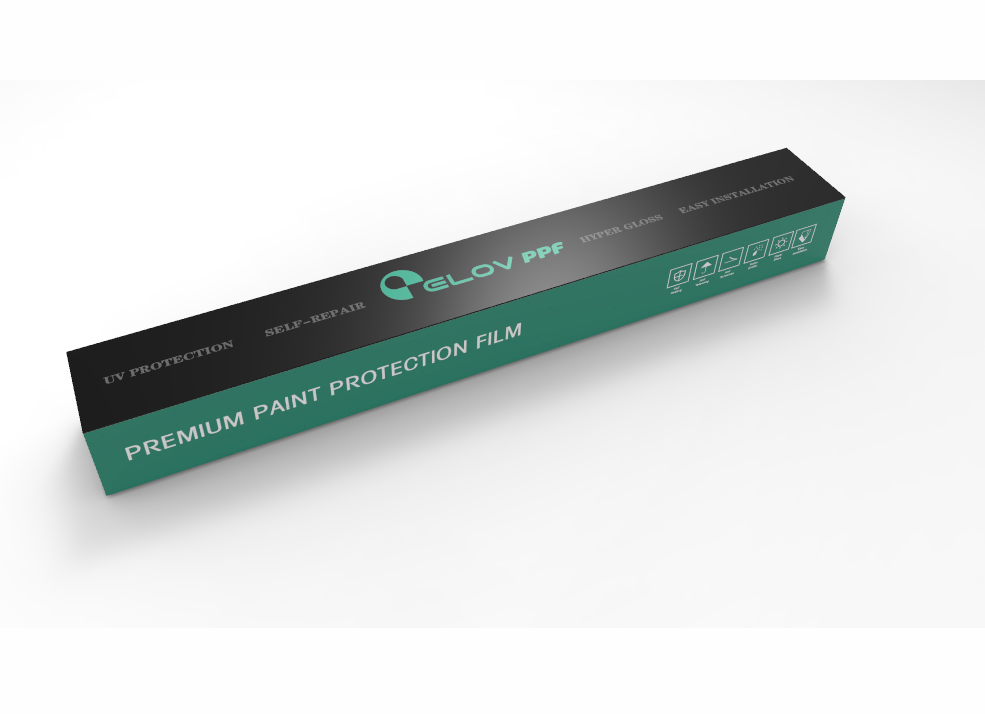
Each PPF roll should be packed to reduce pressure, dust and edge damage. The core, roll surface, end caps, inner bag and outer carton all matter. Buyers should ask how the factory protects roll edges, how rolls are placed in cartons and whether cartons are strong enough for export handling.
If the buyer sells premium installation products, the arrival condition matters. A clean roll and a stable carton create confidence before the installer opens the film. For private label buyers, packaging quality is also part of the brand experience. Review OEM PPF packaging and the private label PPF packaging checklist when planning custom boxes, inner bags or backing logo options.
Keep Labels Simple and Traceable
Shipping labels should help the buyer identify the product quickly. A practical label can include model, roll size, color or finish, batch code, quantity, carton number and destination mark. For private label shipments, brand design can stay clean, but operational information should not disappear.
This is where batch tracking supports shipping. If a customer later reports an issue, the buyer should be able to connect the roll to shipment records and production records. The PPF batch traceability guide explains how roll tracking helps warranty handling and repeat supply.

Confirm Inspection Before Packing
Export packing should follow inspection, not replace it. The factory should check roll appearance, surface defects, thickness range, model information and packaging condition before shipment. Buyers should ask what inspection records are kept and how quality feedback should be reported after delivery.
ELOV PPF Technology Co., Ltd supports wholesale buyers with factory production, inspection and export experience. For a broader review of production and QC, read the PPF factory QC checklist and ELOV PPF factory capabilities.
Plan Storage Conditions After Arrival
Shipping does not end at the port or warehouse. After arrival, PPF rolls should be stored in a clean, dry environment away from high heat, direct sunlight and heavy pressure. If rolls are stored incorrectly, the buyer may face adhesive behavior changes, carton damage or installer complaints later.
Distributors should prepare a simple receiving checklist: check carton condition, verify model and quantity, record batch codes, inspect visible roll damage and store rolls according to supplier guidance. The PPF roll storage and shelf life guide can help buyers set up warehouse rules.
Shipping Checklist for Wholesale PPF Buyers
- Confirm model, roll size, quantity, finish and warranty tier before packing.
- Check whether OEM box, inner bag and backing logo details are approved.
- Make sure roll labels include model, batch and roll-size information.
- Ask how roll edges and surfaces are protected during export transport.
- Confirm carton strength, carton marks and packing list consistency.
- Request final inspection before shipment when placing larger orders.
- Record batch and shipment details after arrival.
- Store rolls away from heat, sunlight, dust and heavy pressure.
- Report delivery damage with photos, carton numbers and roll labels.
- Use sample orders to test packaging quality before scaling volume.
Use Samples to Test Packing Quality
Many buyers use sample orders only to test film performance. Packaging should also be checked during the sample stage. Look at box strength, roll condition, label clarity, inner bag quality and whether the film arrives in a way that matches your brand positioning.
If you are preparing your first order, use the PPF sample order checklist and PPF sample and MOQ ordering pages to organize sample testing before bulk purchasing.

FAQ
What should be checked before shipping PPF rolls?
Buyers should confirm model, roll size, quantity, labels, batch information, carton quality, OEM packaging details and inspection records before shipment.
Why does batch information matter during shipping?
Batch information helps buyers connect delivered rolls with production and inspection records. It also makes warranty claims and after-sales communication easier.
Can private label PPF packaging still include traceability?
Yes. Brand packaging can look clean and professional while internal labels, carton marks or shipment records preserve model and batch information.
Should buyers test packaging with sample orders?
Yes. Sample orders should be used to test both film performance and packaging quality before larger wholesale orders.
Final Thoughts
A strong PPF roll shipping checklist helps wholesale buyers protect product quality after production. It reduces delivery confusion, supports private label presentation and gives distributors better control over inventory and warranty records. For buyers comparing suppliers, shipping control is another sign of whether the factory can support long-term growth.
To plan your next order, browse the ELOV PPF collection or contact ELOV PPF for sample, OEM packaging and wholesale shipping support.