PPF Carton Label Requirements for Private Label Buyers
For private label paint protection film buyers, carton labels are easy to overlook. Many buyers focus on film performance, box design, backing logo and roll price first. Those details are important, but poor carton labels can create problems after the shipment arrives: mixed models, unclear batch records, wrong color identification, difficult warehouse sorting and slower warranty communication.
This guide explains practical PPF carton label requirements for distributors, importer brands, installer chains and OEM/ODM buyers. The goal is simple: keep the packaging professional for your brand while making every carton easy to identify, receive, store, sell and trace.
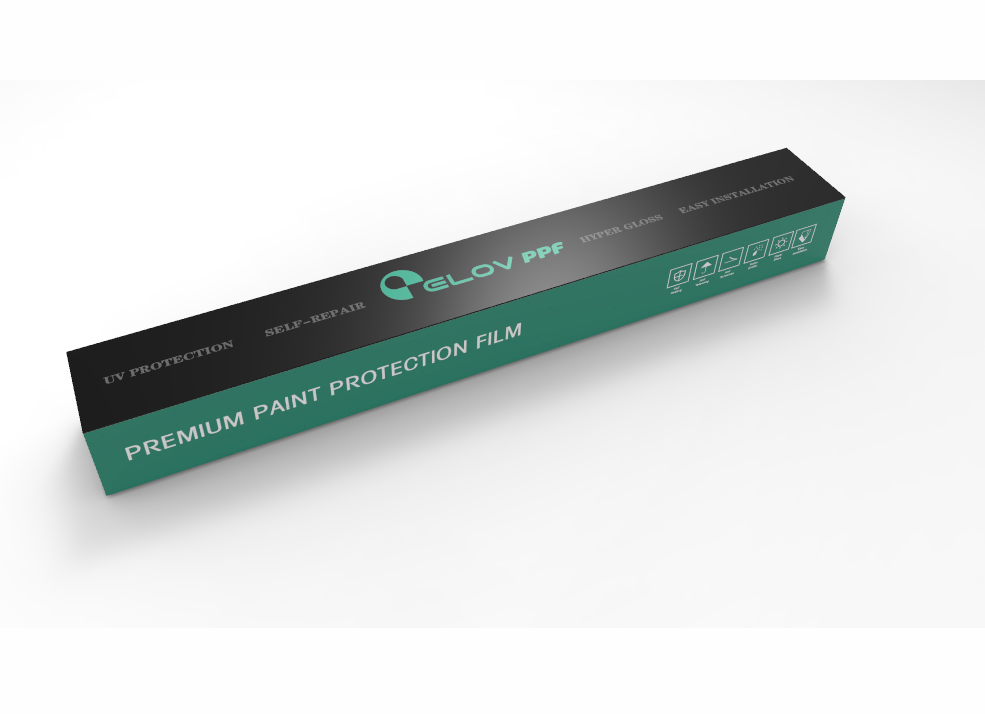
Carton Labels Should Match Factory Capability
Private-label carton labels work best when the supplier can keep model names, batch records, packaging artwork and repeat production stable. Before scaling a branded PPF program, review the ELOV PPF factory capabilities together with the PPF factory QC checklist, batch traceability guide and private-label PPF packaging checklist.
Why Carton Labels Matter in PPF Wholesale
PPF rolls are often sold across multiple product tiers: clear PPF, matte PPF, color PPF, thicker protection films, sample rolls and private label versions. If the outer carton only shows a brand name without operational information, warehouse teams may need to open cartons to identify products. That wastes time and increases the risk of sending the wrong roll to an installer or dealer.
A good carton label supports three jobs. First, it helps the buyer receive and count the shipment. Second, it helps the warehouse sort and store rolls correctly. Third, it supports traceability if the buyer later needs technical help, warranty review or repeat ordering. This is why carton labeling should be planned together with OEM PPF packaging, not after the design is already finished.
Core Information Every PPF Carton Label Should Include
The exact label style can vary by brand, but the information should be consistent. For most wholesale PPF shipments, the carton label should include:
- Brand name or private label brand mark.
- Product model or SKU, such as clear, matte or color PPF code.
- Roll size, commonly 1.52m x 15m per roll.
- Color name or surface finish when shipping color PPF or matte PPF.
- Quantity per carton and carton number.
- Batch code or production lot reference.
- Destination mark or buyer order number.
- Handling information when needed, such as keep dry or avoid heat.
Buyers can use the Clear PPF specifications and Color PPF specifications pages when confirming the model names, roll size and product data that should appear in order records.
Private Label Design vs. Operational Clarity
Private label buyers often want a clean carton design. That is reasonable. The packaging should help the buyer’s brand look professional. But the design should not remove the information needed for warehouse control and after-sales support. A balanced approach is to keep the front of the carton brand-focused and use a side label for model, batch, roll size and carton information.
This is especially important for buyers selling multiple tiers. For example, a distributor may carry entry clear PPF, premium clear PPF, matte black PPF and many color PPF options. If carton labels are too vague, dealers may confuse products with different warranty levels or installation behavior. A simple label structure reduces that risk.
Batch Codes and Warranty Support
Batch information is one of the most useful fields on a carton label. If an installer later reports adhesive marks, edge lifting, coating defects or unusual installation feedback, the buyer can check the carton and roll records before contacting the factory. This makes after-sales communication more factual and faster.
Batch codes should connect the carton, roll and production record. They do not need to expose confidential factory details, but they should allow the supplier and buyer to identify the shipment. For a deeper workflow, read the PPF batch traceability guide and the PPF factory QC checklist.

Label Requirements for Color PPF
Color PPF needs more careful labeling than standard clear PPF because color names, SKU codes and surface effects must match the buyer’s catalog. If a carton label only says “color PPF,” it is not enough. The label should include the color code, color name and finish where possible. This helps sales teams, warehouse staff and installers select the right roll quickly.
For buyers building a color catalog, carton labels should match sample boards and product pages. This keeps the buyer’s selling system consistent from online product display to warehouse delivery. Related resources include the Color PPF collection, Color PPF application gallery and Color PPF sample board guide.
Export Marks and Shipping Documents
Carton labels should also match the packing list and commercial documents. If the carton says one model but the packing list uses another name, the buyer may face confusion during receiving or customs communication. Before shipment, confirm that model names, carton counts, quantities and destination marks are consistent across labels and documents.
The broader PPF roll shipping checklist explains how carton labels fit into export packing, delivery checks and warehouse receiving. Buyers should treat labels as part of the shipping system, not only as decoration.
Receiving Checklist After Delivery
When the shipment arrives, buyers should inspect labels before opening every carton. A simple receiving checklist can prevent future confusion:
- Compare carton labels with the packing list.
- Check model, SKU, color name, roll size and quantity.
- Record batch codes or carton numbers in your inventory sheet.
- Inspect carton damage and take photos before opening if needed.
- Store rolls by model and batch to simplify repeat orders and claims.
- Keep label photos for private label and warranty records.
For storage planning after delivery, review the PPF roll storage and shelf life guide. For first-time buyers, the PPF sample order checklist can also help test packaging and labeling before larger orders.

FAQ
What should a PPF carton label include?
A practical label should include brand, model or SKU, roll size, color or finish, quantity, carton number, batch code and order or destination mark.
Can private label packaging hide factory information?
Yes, the brand design can stay private label focused. However, the buyer and supplier should still preserve model and batch information through labels, carton marks or shipment records.
Why are color PPF labels more detailed?
Color PPF has more SKU and surface-effect variation. Accurate color name, color code and finish information help avoid picking and delivery mistakes.
Should buyers check carton labels during sample orders?
Yes. Sample orders are a good time to test label clarity, packaging quality and whether the information matches the buyer’s future warehouse workflow.
Final Thoughts
PPF carton labels may look like a small detail, but they help private label buyers manage inventory, delivery, warranty records and repeat orders. A clear label system protects the buyer’s brand while making the product easier to sell and support.
ELOV PPF supports custom brand packaging boxes, inner bags and PPF backing logo options for wholesale and OEM/ODM buyers. To plan carton labels, sample orders or branded packaging, review the private label PPF packaging checklist or contact ELOV PPF for support.