PPF Warranty Terms for Wholesale Buyers: What to Confirm Before Bulk Orders
PPF warranty terms are one of the most important details wholesale buyers should confirm before placing bulk paint protection film orders. A warranty is not only a number of years on a brochure. It should explain what is covered, what is excluded, how claims are reviewed and which records are needed after the film is sold to installers or end customers.
For distributors, detailers and private label buyers, unclear warranty wording can create real business risk. This guide explains what to check before buying PPF rolls in volume.
Why PPF Warranty Terms Matter for Wholesale Buyers
Retail customers often ask one simple question: how many years is the film covered? Wholesale buyers need to ask deeper questions. A five-year, eight-year or ten-year warranty can mean different things depending on TPU material, coating system, adhesive, installation environment and claim rules.
A reliable warranty helps distributors sell with confidence, but it must be supported by product data, factory QC and traceable production records. Before comparing price, buyers should review the ELOV PPF collection, model specifications and factory support pages so the warranty promise matches the real product position.
Confirm the Exact Warranty Period by Model
Not every paint protection film model should carry the same warranty. Entry clear PPF, premium clear PPF, matte PPF and color PPF may use different thickness, coating and positioning. A distributor should confirm the warranty period for each SKU before placing a mixed order.
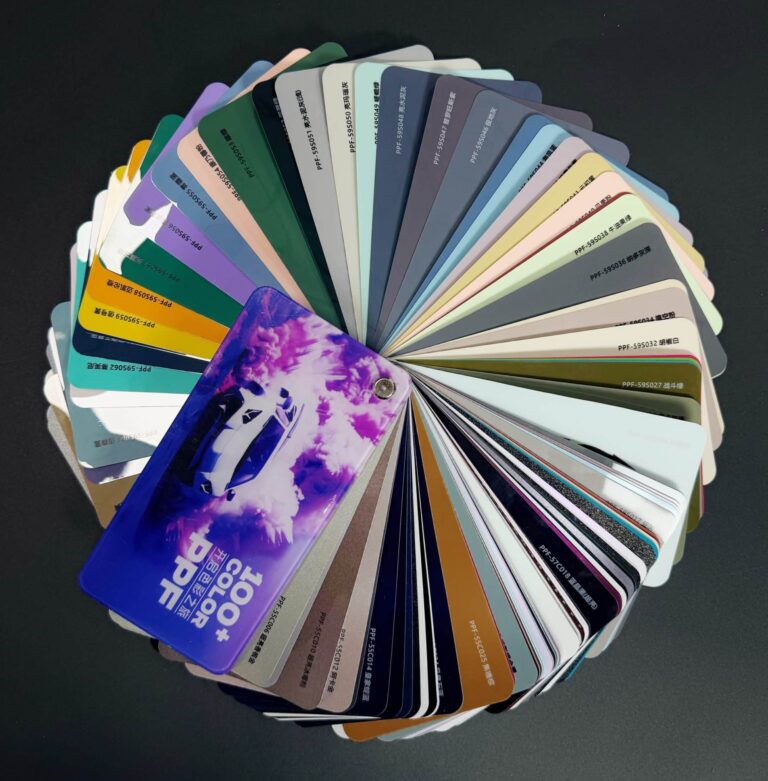
For example, buyers can compare Clear PPF specifications, Matte PPF specifications and Color PPF specifications. The goal is to avoid selling all films with one general warranty statement when the product range has different performance levels.
Ask What the Warranty Actually Covers
A strong PPF warranty should explain the covered issues in practical language. Common warranty coverage may include yellowing, cracking, delamination, excessive adhesive failure or abnormal coating defects under normal use. However, the exact wording should be confirmed with the supplier.
Wholesale buyers should avoid vague phrases such as premium quality or long-term protection without clear examples. Ask whether the warranty covers only material defects, or whether it also includes coating failure, visible yellowing or adhesive residue after removal. This makes it easier to train installers and answer dealer questions.
Review the Exclusions Before You Sell the Film
Warranty exclusions are just as important as coverage. Most PPF warranty programs exclude poor installation, incorrect cleaning chemicals, accidents, repainting defects, heavy abrasion, incorrect storage, non-automotive use or damage caused by environmental contamination.
Distributors should translate exclusions into installer training materials. If the film is sold to shops without installation guidance, the buyer may receive claims that are actually caused by application errors. This is why the warranty should be connected with sample testing and installation feedback, not only sales copy.
Connect Warranty With Sample Testing
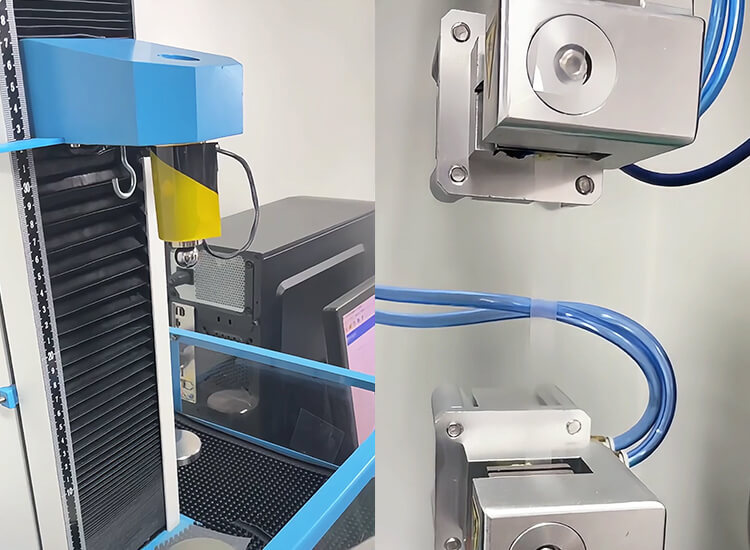
Before a bulk order, test samples under real working conditions. Install clear PPF on curved panels, matte PPF on visible body panels and color PPF on surfaces where gloss, color depth and edge behavior can be judged. Record how the adhesive feels, how the film stretches and how the coating recovers after light heat.
The PPF sample testing checklist helps buyers create a repeatable process. If the film does not meet expectations during sample testing, a long warranty term will not solve the business problem.
Check Batch Traceability and QC Records
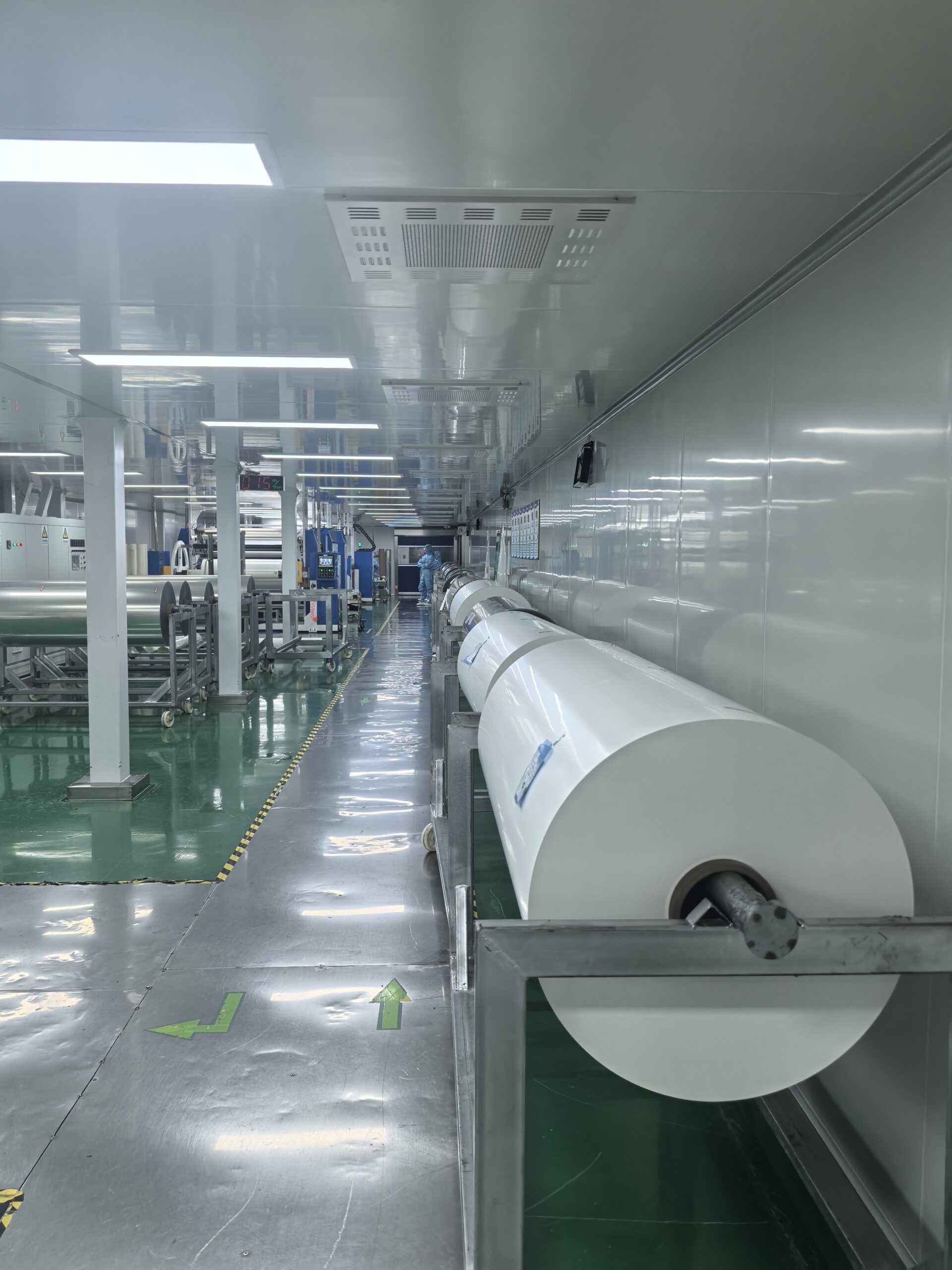
Warranty claims are easier to review when each roll can be traced to a batch. Buyers should ask whether carton labels, roll labels, production records and QC inspection data can be connected. This is especially important for distributors who sell to multiple installers in different cities.
Batch traceability helps both supplier and buyer understand whether a claim is isolated, installation-related or connected to a production batch. Review the PPF batch traceability guide and factory QC checklist before confirming repeat supply.
Prepare Warranty Documents for Private Label Buyers
If you plan to sell PPF under your own brand, warranty documents should be prepared before packaging production. Your custom box, inner bag, backing liner and carton labels should match the model name, warranty period, SKU and claim requirements.
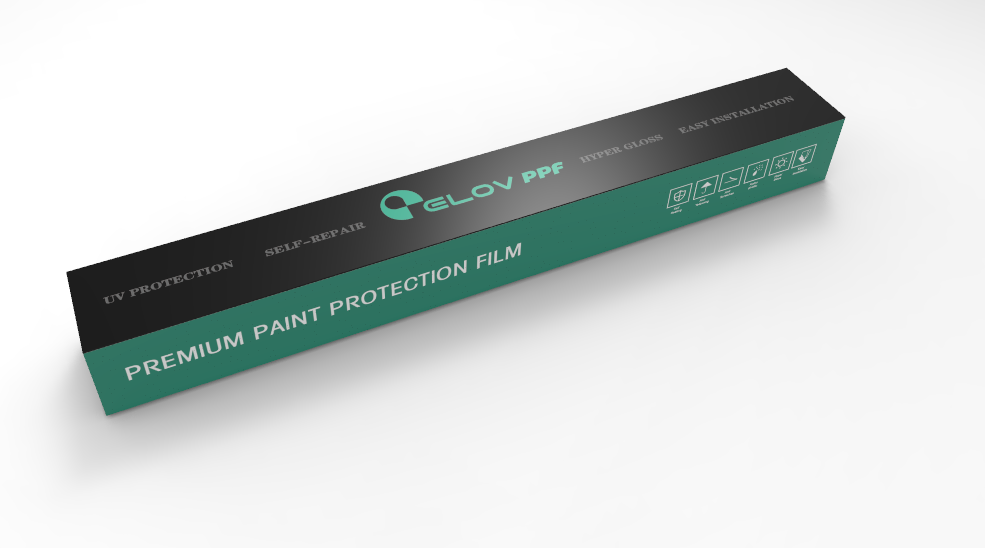
Private label buyers can review OEM PPF packaging, private label packaging checklist and PPF carton label requirements. This avoids confusion when customers ask which warranty applies to which model.
Define the Claim Review Process
A warranty should include a practical claim process. Before ordering, ask what photos, videos, roll labels, installation date, vehicle details, cleaning history and environmental information are needed. Also confirm who reviews the claim and how long the review normally takes.
For wholesale buyers, this process should be simple enough for installers to follow. If the claim process is too vague, local dealers may lose confidence even when the product itself is stable.
Compare Warranty With Product Positioning
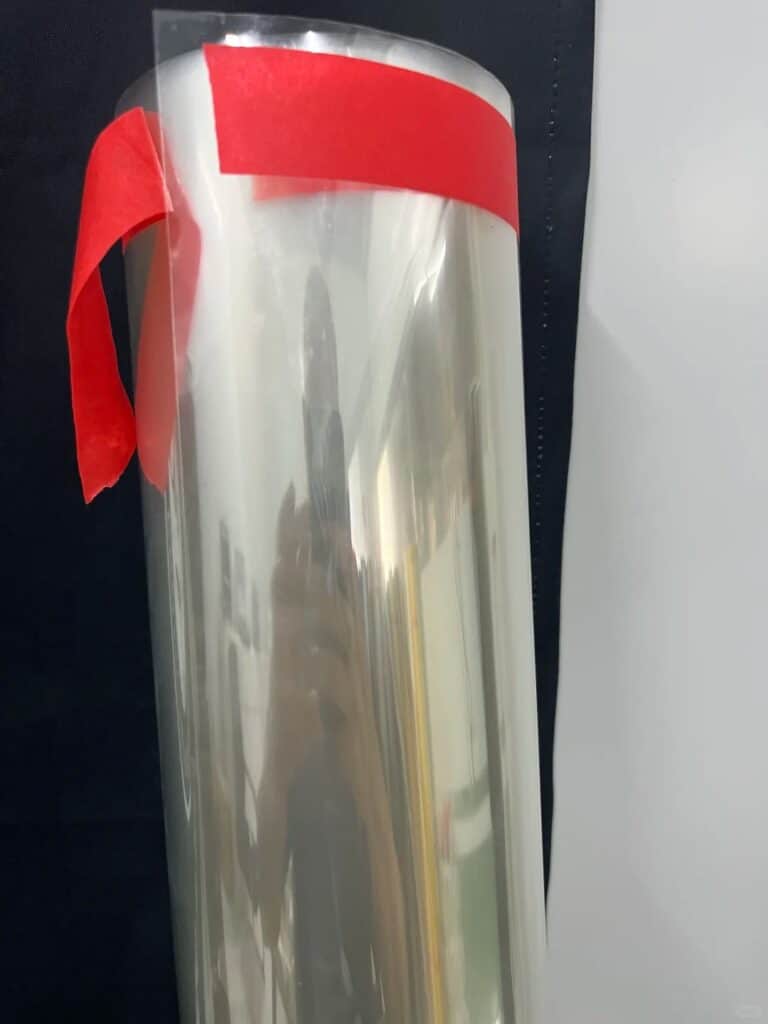
Warranty should match the selling position of the film. A high-gloss premium clear PPF, such as PPF-C01 clear paint protection film, may be positioned differently from thicker premium options, matte PPF or color PPF. The warranty message should support the product tier, price and target customer.
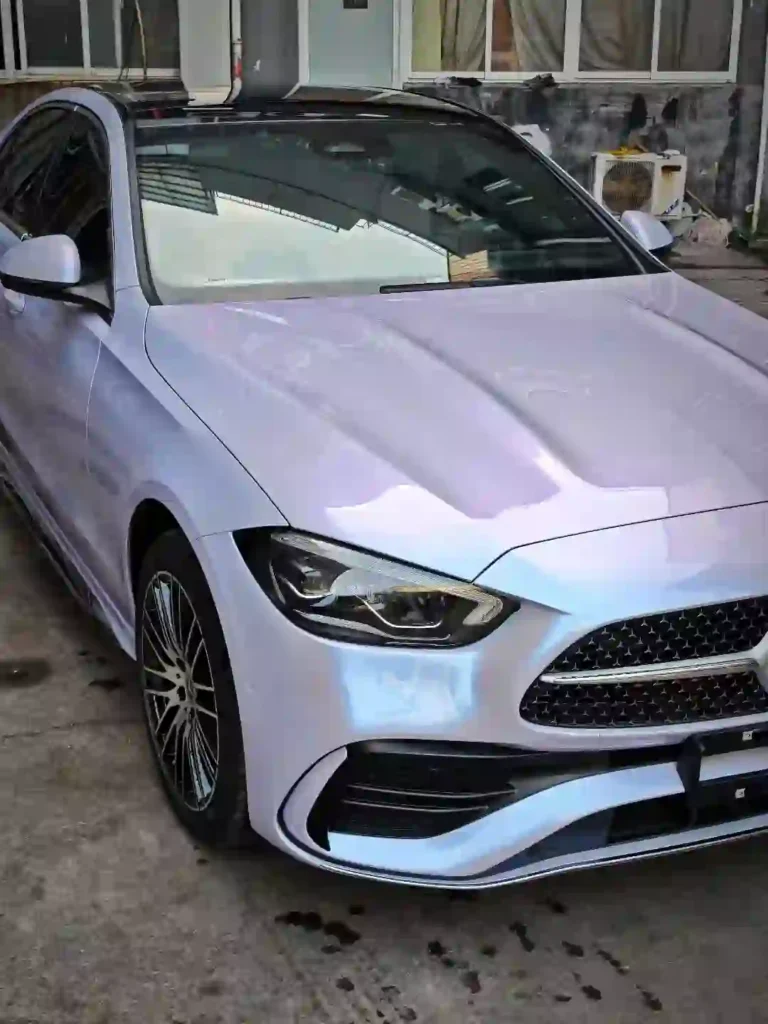
For color PPF, buyers should be careful with color stability, surface effect and application expectations. For matte PPF, the buyer should discuss maintenance and stain resistance because the finish is different from high-gloss clear film.
PPF Warranty Terms Checklist
- Warranty period for each model or SKU.
- Covered issues such as yellowing, cracking, delamination or coating defects.
- Exclusions such as poor installation, harsh chemicals, accidents or incorrect storage.
- Sample testing results before bulk order confirmation.
- Batch number, roll label, carton label and QC record requirements.
- Claim documents required from installers or end customers.
- Private label warranty wording for custom packaging.
- Supplier response process and expected review time.
How ELOV Supports PPF Warranty Planning
ELOV PPF Technology Co., Ltd supports wholesale buyers with clear, matte and color TPU PPF, sample testing, model comparison, OEM packaging and factory production records. Buyers can connect warranty planning with product selection, QC review and repeat order planning.
If you are building a new PPF product line, prepare your target market, product types, expected order quantity, packaging needs and warranty questions, then contact ELOV PPF for sample and wholesale support.
FAQ
What should a PPF warranty cover?
A PPF warranty should clearly explain covered material issues such as yellowing, cracking, delamination, abnormal adhesive failure or coating defects under normal use.
Should different PPF models have different warranty periods?
Yes. Clear PPF, matte PPF and color PPF may have different materials, coatings, surface finishes and product positioning, so buyers should confirm the warranty by model.
What documents are useful for PPF warranty claims?
Useful documents include roll labels, batch numbers, carton labels, installation photos, issue photos, vehicle information, installation date and cleaning history.
Can private label buyers use custom warranty documents?
Yes. Private label buyers can prepare custom warranty wording, packaging labels and model information, but it should be aligned with the supplier before bulk orders.
Final Thoughts
PPF warranty terms should be reviewed before the first bulk order, not after a customer complaint. When buyers connect warranty period, product data, exclusions, sample testing, QC records and packaging documents, the PPF business becomes easier to scale and easier to support.