How Many Cars Can One Roll of PPF Cover? A Roll Yield Guide for Installers
One of the most common questions from installer shops and new paint protection film distributors is simple: how many cars can one roll of PPF cover? The answer is not a fixed number, because PPF roll yield depends on vehicle size, coverage package, cutting method, installer skill, waste rate and the film’s installation behavior.
Still, roll yield is important. It helps buyers estimate material cost, quote installation packages, plan inventory, compare suppliers and decide when to reorder. If a shop only asks for the lowest roll price, it may miss the real cost behind poor cutting yield, rework, damaged rolls or unstable film quality.
Standard PPF Roll Size and Basic Yield
New: Convert Roll Yield into Installer Quote Planning
After estimating how many cars one roll can cover, use the PPF cost calculator for installers to connect roll yield, waste rate, film grade, labor hours and target margin before quoting full-front or full-vehicle paint protection film jobs.
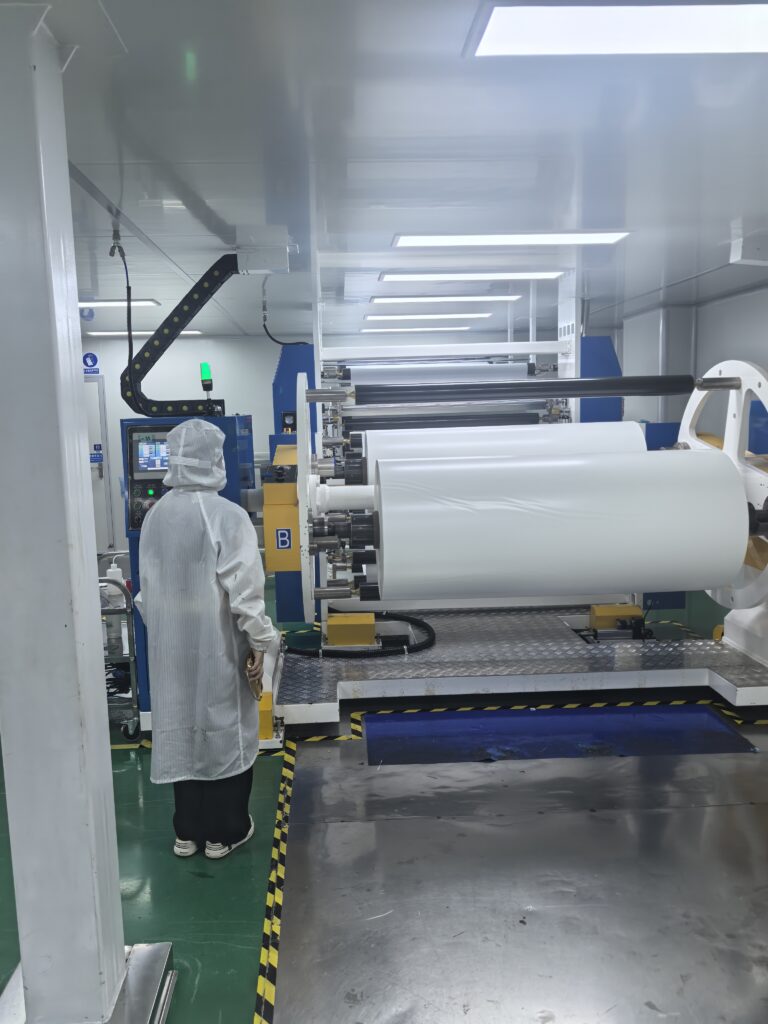
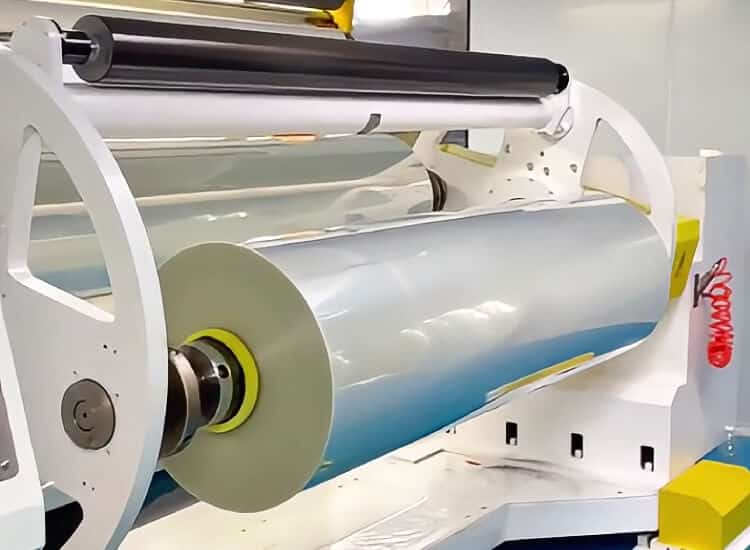
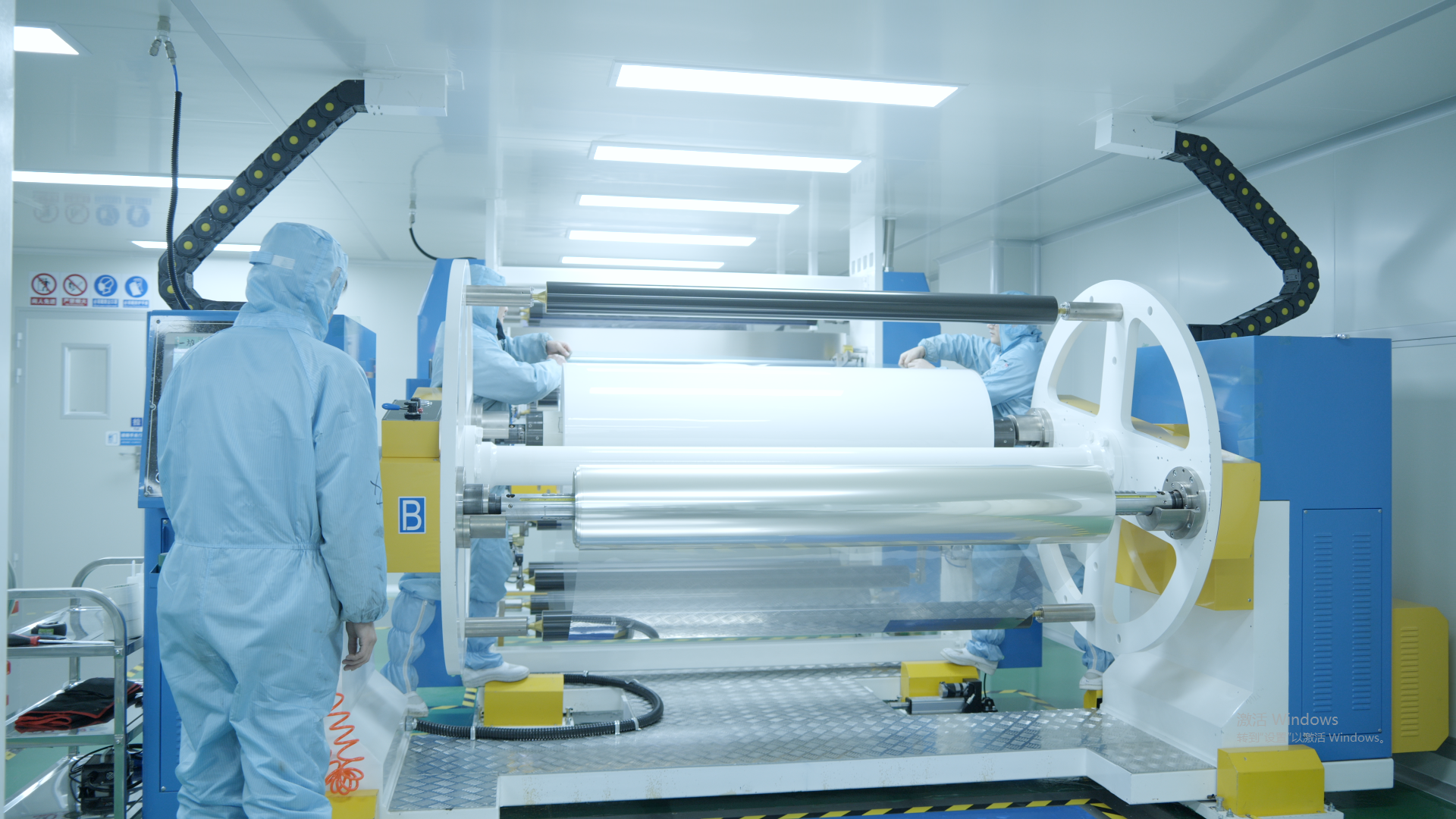
A common wholesale paint protection film roll size is 1.52m x 15m per roll. This format is widely used because it fits many automotive panels and gives installers flexibility for bumpers, hoods, fenders, doors, mirrors and full-body packages. However, the usable yield is never exactly equal to the full square area of the roll.
Installers must allow for panel shape, cutting margins, alignment, stretching limits, pattern layout, installation mistakes and offcuts. A highly trained shop with digital patterns may use material more efficiently than a beginner shop cutting manually. This is why roll yield should be treated as a planning range rather than a guaranteed number.
How Many Cars Can One Roll Cover?
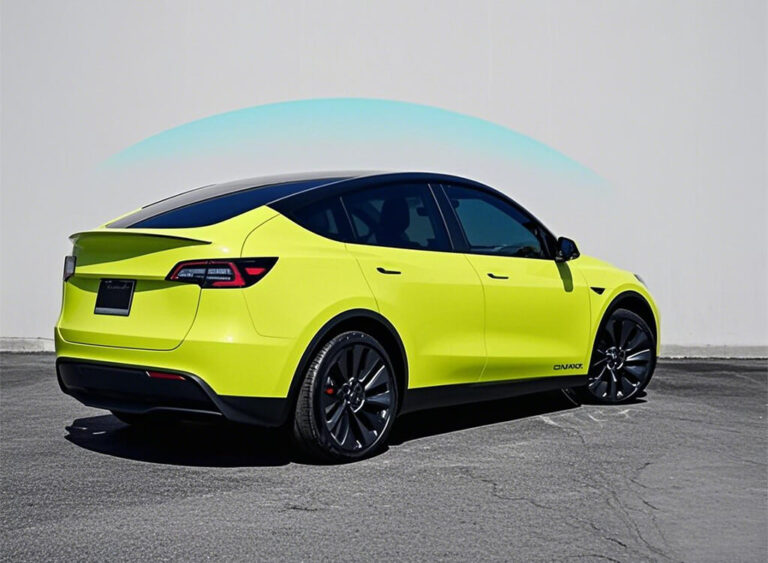
For full-body PPF coverage, one 1.52m x 15m roll may cover about one small or compact vehicle in many cases, but larger sedans, SUVs, trucks and complex body shapes may need more material. For partial packages, one roll can cover more vehicles because the film is applied only to selected panels.
| Coverage Package | Typical Use | Roll Yield Planning |
|---|---|---|
| Headlight or small parts | Headlights, door cups, mirrors, small trim areas | One roll can support many small jobs, depending on cutting size and waste. |
| Partial front | Bumper, partial hood, mirrors or selected front panels | One roll can cover multiple vehicles when patterns are efficient. |
| Full front | Full hood, bumper, fenders and mirrors | Yield depends heavily on vehicle size and bumper complexity. |
| Full car | Complete body protection | Plan around one roll or more per vehicle, especially for SUVs, large cars or complex panels. |
If you are building a wholesale or installer product line, connect this estimate with the full car PPF cost guide, the paint protection film cost guide and the PPF China price guide.
Why Roll Yield Changes from Shop to Shop
The same PPF roll can produce different results in different workshops. An experienced installer may reduce waste with better pattern planning, cleaner handling and fewer redo panels. A less experienced installer may lose material through contamination, overstretching, misalignment or poor trimming.
Film quality also matters. Stable TPU PPF with predictable adhesive, coating response and stretch behavior can help installers work faster and reduce mistakes. Film that is difficult to handle may look cheaper on the quote, but it can create higher labor cost, more reinstallation and lower customer satisfaction.
For material selection, compare the TPU vs TPH vs PVC PPF guide, the Clear PPF specifications and the PPF model comparison.
Waste Rate: The Hidden Part of PPF Cost
Every installer should include waste rate in PPF cost calculations. Waste can come from panel layout, pattern overlap, mistakes, edge trimming, dust contamination or damaged film. A realistic waste allowance helps shops avoid underquoting full car packages and helps distributors forecast roll demand more accurately.
Wholesale buyers should not compare roll price without asking how the film performs during installation. If a low-price roll causes extra rework, the real cost may be higher than a better TPU PPF roll with more stable installation feedback. This is why sample testing is important before bulk purchasing.
Use the PPF sample order checklist to test stretch, adhesive feel, coating response, hydrophobic behavior and installer feedback before committing to larger orders.
Inventory Planning for Installer Shops
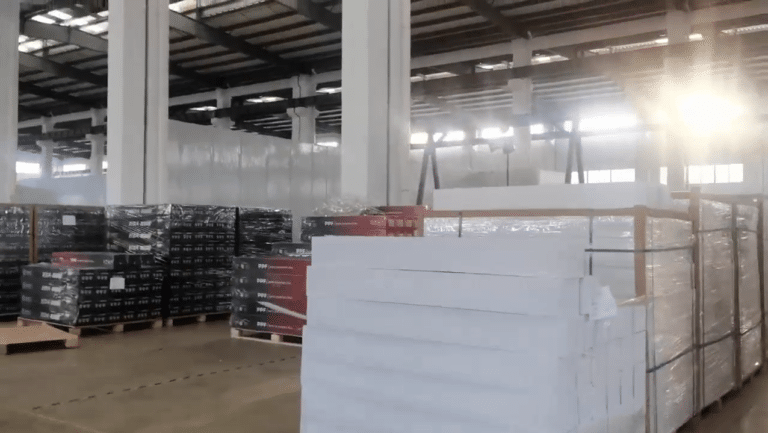
Installer shops should plan inventory based on monthly installation volume, average package type and reorder time. A shop doing mostly full-front packages may use rolls more gradually than a shop selling full-body protection packages. A distributor supplying many installers also needs to plan by model, thickness, finish and color demand.
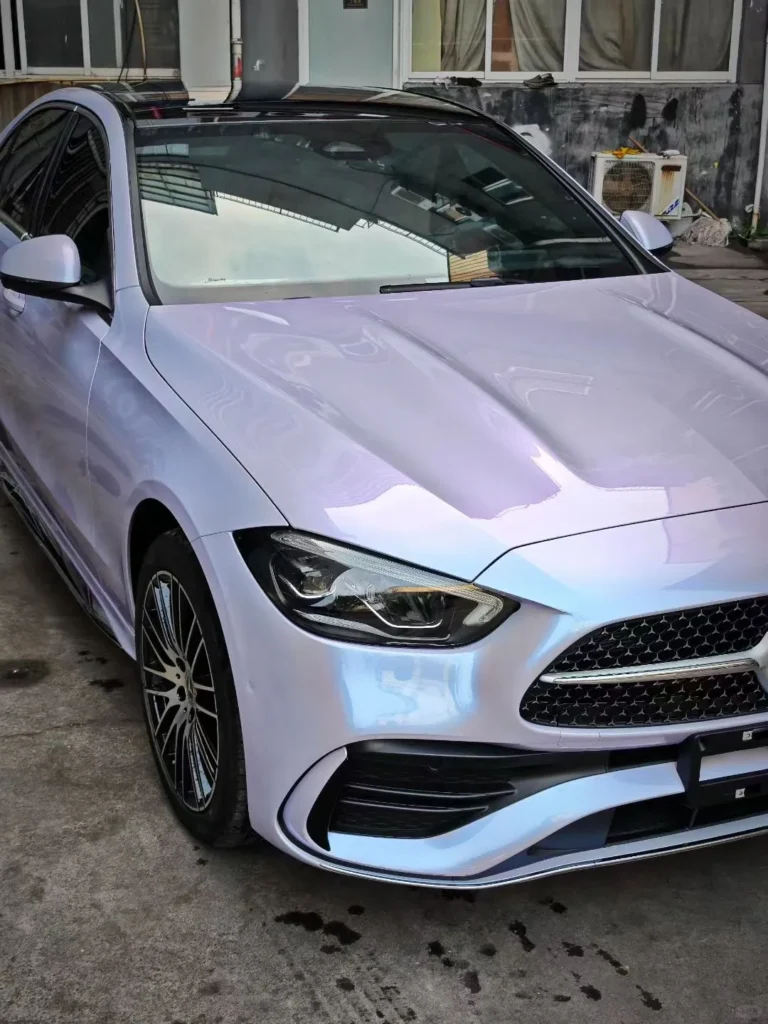
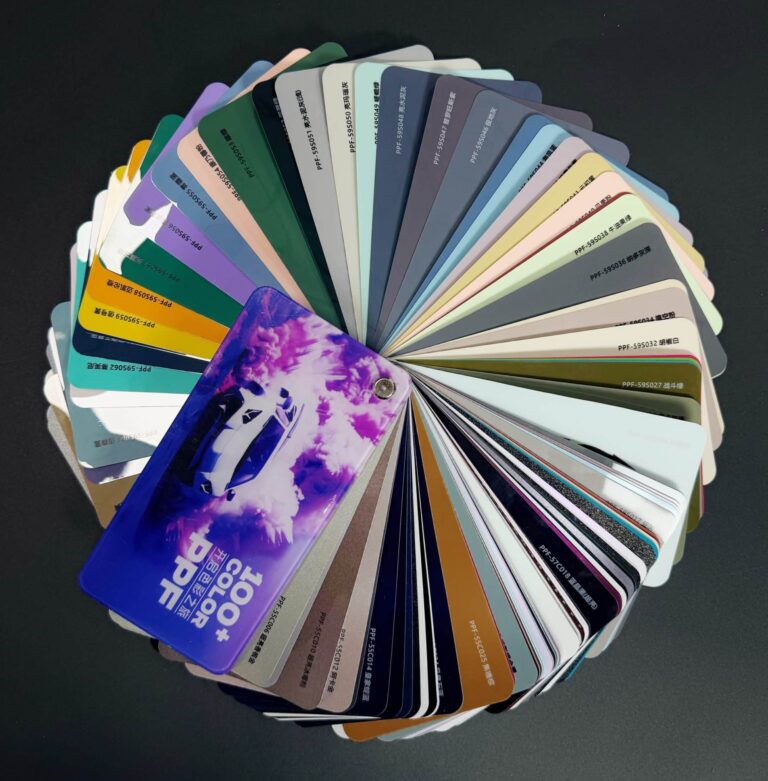
For clear PPF programs, start with the models and warranty tiers that match your market. For styling demand, color PPF requires more SKU planning because each color sells at a different speed. If you sell under your own brand, connect roll yield planning with OEM PPF packaging, carton label requirements and batch traceability.
Factory QC and Roll Yield
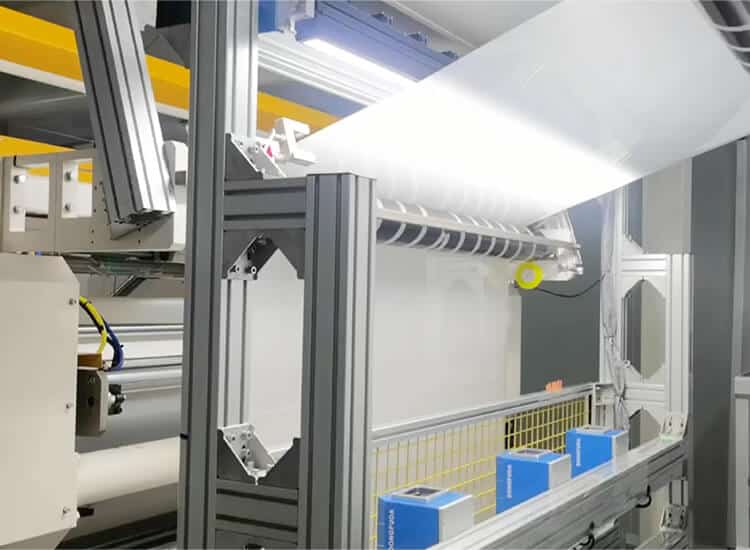
Roll yield is not only an installer issue. Factory QC affects whether the film arrives in stable condition and performs consistently. Buyers should check roll appearance, coating, adhesive, edge condition, packing and carton protection. Shipping damage, poor storage or unclear labels can also reduce usable material after delivery.
Before scaling repeat orders, review the PPF factory QC checklist, PPF roll shipping checklist and PPF roll storage guide. These resources help buyers protect roll yield after production, during shipping and inside the warehouse.
FAQ
Can one roll of PPF cover a full car?
One standard 1.52m x 15m roll may cover a small or compact vehicle in many cases, but larger vehicles, SUVs, complex panels and higher waste rates may require more material.
How many full-front installations can one PPF roll support?
It depends on vehicle size, panel coverage and cutting efficiency. Full-front packages usually use less material than full-body installations, so one roll may support multiple jobs when patterns are planned well.
Why do installers get different yields from the same roll size?
Installer skill, cutting method, pattern layout, contamination control, stretch behavior and rework rate all affect usable yield.
How can distributors reduce PPF roll waste?
Start with sample approval, choose stable TPU PPF, train installers, protect rolls during shipping and storage, and track batch feedback after installation.
Final Thoughts
One roll of PPF does not equal one fixed number of cars. The useful answer depends on coverage package, vehicle size, installer skill, waste rate and film quality. For wholesale buyers, the best approach is to compare roll price together with installation yield, sample feedback, factory QC, shipping, storage and warranty risk.
ELOV PPF supplies clear, matte and color TPU paint protection film for distributors, installer shops and private label buyers. To plan samples, model selection, MOQ, roll yield and packaging, review the ELOV TPU PPF collection or contact ELOV PPF for wholesale support.