PPF Thickness Guide for Wholesale Buyers
PPF thickness is one of the first specifications wholesale buyers compare, but it is also one of the easiest to misunderstand. A thicker paint protection film can provide stronger protection and premium positioning, but thickness alone does not define quality. TPU material, coating, adhesive, clarity, stretch behavior, hydrophobic performance and warranty support all matter.
This guide explains how distributors, installer chains and private label buyers should compare PPF thickness options when planning clear PPF, matte PPF and color PPF product lines.

Why PPF Thickness Matters
Thickness affects how a film feels, protects, stretches and is positioned in the market. A thinner PPF may be easier to handle for entry-level applications. A thicker PPF may provide stronger stone-chip protection and support a premium warranty. For distributors, the correct choice depends on customer type, installation skill, local pricing and expected warranty range.
However, buyers should not choose by thickness alone. A 7.5mil aliphatic TPU film with stable coating and adhesive can outperform a poorly made thicker film. Thickness is one part of the decision, not the whole decision.
Common PPF Thickness Ranges
Wholesale PPF buyers often compare film thickness in mil or microns. Common ranges include 6mil, 7.5mil, 8mil, 10mil and heavier specialty options. The exact structure may vary by model because total thickness includes TPU, coating, adhesive and liner-related specifications.
ELOV clear PPF models cover thickness ranges from about 165um to 254um, with selected models positioned for different warranty and protection requirements. Color PPF is commonly planned around a balanced thickness that supports color-change protection, surface finish and practical installation. Buyers can check current technical details on the Clear PPF specifications and Color PPF specifications pages.
6mil and Entry-Level Film Positioning
Entry-level thickness options can be useful for price-sensitive markets, short-term protection packages or shops that need a lower-cost starting product. The main advantage is easier pricing and potentially easier handling for some installation teams.
The tradeoff is that entry-level film may not be the best choice for customers expecting maximum impact resistance, long warranty or premium brand positioning. If a distributor sells entry-level film, the sales message should be clear. Avoid positioning it as the same as a premium model.
7.5mil and 8mil Mainstream PPF
For many distributors, 7.5mil to 8mil is the practical mainstream range. It can balance protection, installation behavior, clarity, roll cost and warranty positioning. This range is often suitable for shops that install daily and need a dependable film for front-end coverage, full-car protection and dealer packages.
Mainstream thickness works best when supported by stable TPU, self-healing coating, hydrophobic surface and paint-safe adhesive. Buyers should compare the full model structure through the PPF model comparison page instead of selecting only by thickness.
10mil and Heavy-Duty PPF Positioning
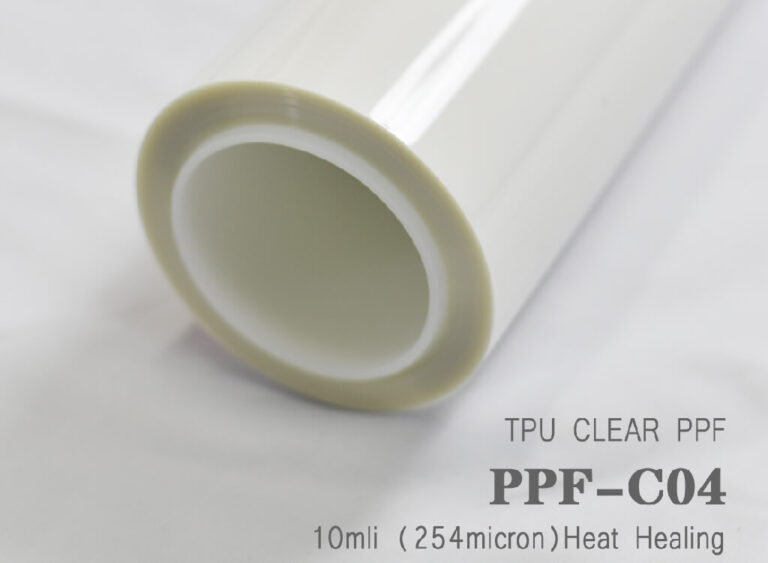
Thicker PPF such as 10mil is usually positioned for stronger protection, premium packages or customers who drive in harsher road conditions. It can support a higher-value offer, especially when the film also has strong coating, adhesive and warranty support.
The distributor should also consider installation skill. Thicker film may require better technique around curves, edges and complex panels. If the installer network is not ready, a heavy-duty product may create more training needs. The PPF installer training checklist can help distributors prepare dealer teams before promoting thicker film.
12mil and Specialty Protection Choices
Very thick PPF options are usually specialty products rather than everyday distributor stock. They may suit selected markets where customers ask for maximum protection, but they should be introduced carefully. The buyer should test samples, confirm installation behavior and decide whether the local market can support the higher product positioning.
For new markets, it is better to test samples first instead of ordering deep inventory. Review PPF sample and MOQ ordering before adding specialty thickness options to your product line.
Thickness Planning for Color PPF
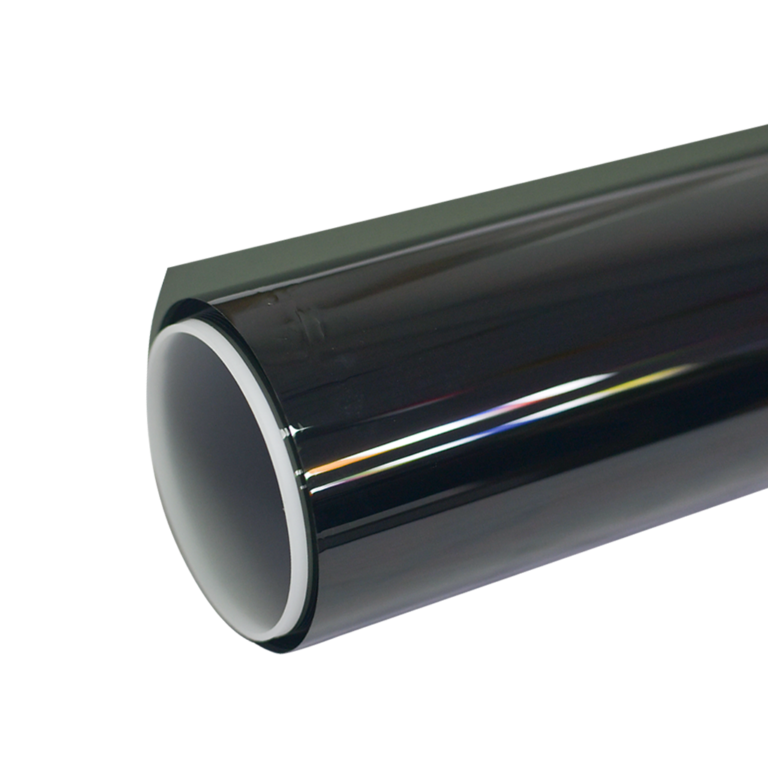
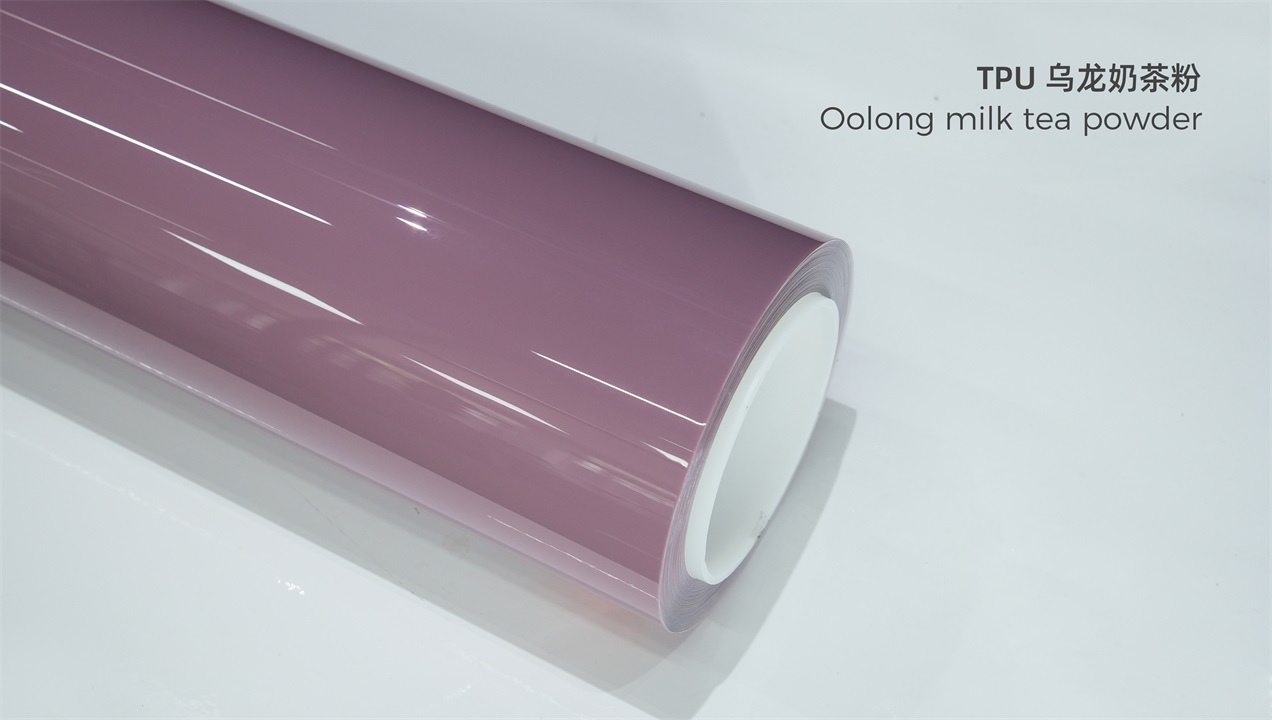
Color PPF is not only about protection. It also changes vehicle appearance, so buyers must consider color, gloss, matte, metallic or special-effect finish, installation behavior and inventory depth. A balanced thickness is often more practical than simply choosing the thickest possible film.
Use application photos and color-family planning to decide what to stock. The Color PPF application gallery, Color PPF color options and Color PPF sample board guide can help distributors connect film thickness planning with product selection and visual demand.
How Distributors Should Choose a Thickness Range
- Define the target customer: entry, mainstream or premium.
- Match thickness with TPU, coating, adhesive and warranty.
- Confirm installer skill before promoting thicker films.
- Use samples before committing to large inventory.
- Keep model labels clear for warehouse and installer teams.
- Separate clear, matte and color PPF planning.
- Align thickness with pricing and warranty language.
FAQ
Is thicker PPF always better?
No. Thicker PPF can provide stronger protection, but quality also depends on TPU material, coating, adhesive, clarity, installation behavior and warranty support.
What PPF thickness is best for distributors?
Many distributors use a mainstream 7.5mil to 8mil range for daily demand, then add premium or heavy-duty models for customers who need stronger protection or higher warranty positioning.
Should color PPF use the same thickness as clear PPF?
Not always. Color PPF must balance protection with finish, color effect, stretch behavior and inventory strategy. Buyers should compare full specifications, not only thickness.
How should I test a new PPF thickness?
Start with sample rolls, install on real panels, compare stretch and edge behavior, then collect installer feedback before placing a larger wholesale order.
Final Thoughts
PPF thickness should support a clear business strategy. Entry-level, mainstream and premium films can all be useful when they are matched with the right customer, warranty and installer skill level. To compare ELOV clear, matte or color PPF thickness options for your market, contact ELOV PPF for samples and wholesale recommendations.