Exterior Windshield Protection Film: What Buyers Should Verify
Exterior windshield protection film is installed on the outside surface of automotive glass, where it serves a different role from cabin-side window tint. For distributors, importers and installation businesses, buying this product responsibly starts with confirming the intended surface, the exact product specification and the supplier’s application guidance. This guide outlines the questions to resolve before adding exterior windshield film to a catalog or ordering commercial quantities.
Table of Contents
ToggleConfirm the application surface first
Start by documenting that the film is designed for the exterior of the windshield. Do not treat a windshield protection film and a conventional interior window tint as interchangeable products. They are intended for different surfaces and customer needs. Ask the supplier to state the installation surface in writing, then confirm that the product sheet, sample label, quotation and packaging all use the same description.
This cross-check helps prevent a catalog error: describing an exterior film as an interior tint, or placing the item in a category that attracts the wrong inquiry. ELOV’s windshield protection film page presents product information for buyer review. For wholesale sourcing, see the windshield protection film wholesale guide.
Read the technical data as a complete specification
Before comparing quotations, gather the current technical data sheet and record its revision date. Review the listed film construction, thickness, roll dimensions, optical properties, adhesive details, recommended application method, storage guidance and warranty terms where supplied. Do not fill gaps by assuming a value from a different film category applies.
Ask the manufacturer which figures are measured values, which are product targets and which depend on test conditions. If the sheet refers to a test report, request the matching report and confirm that its sample name or code corresponds to the product being quoted. Keep the data sheet, test documents and approved sample together in your product file.
Check visibility and optical appearance on the vehicle
Windshield products are safety-sensitive because the driver must maintain a clear view. Evaluate a sample on a suitable test surface and, where appropriate, on a vehicle under controlled conditions. Check for visible haze, distortion, color cast, bubbles, edge lift or other appearance concerns from both inside and outside the vehicle. A photograph cannot substitute for an in-person viewing check.
Use the supplier’s instructions and qualified installers for fit or visibility evaluation. Do not make broad claims such as “invisible,” “fits every vehicle” or “no effect on vision” unless the exact product evidence and applicable requirements support them. Local vehicle glazing rules differ, so buyers should confirm local regulatory and inspection requirements before sale or installation.
Ask how installation is intended to work
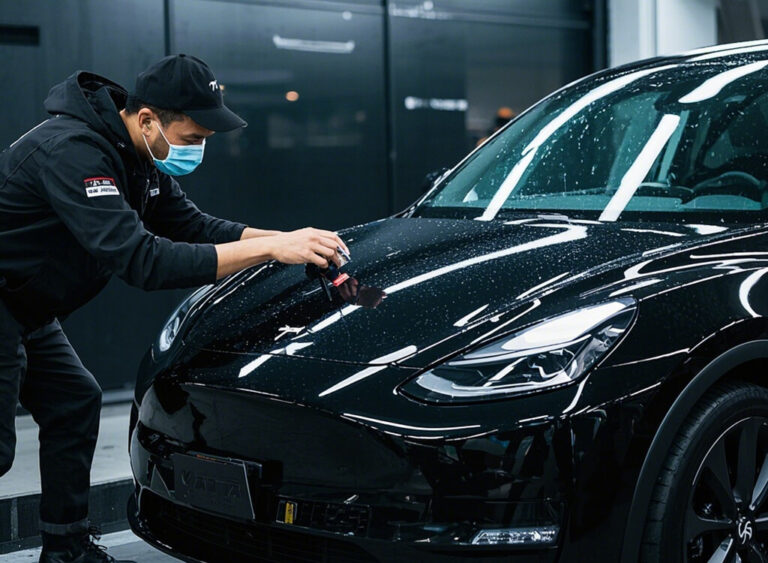
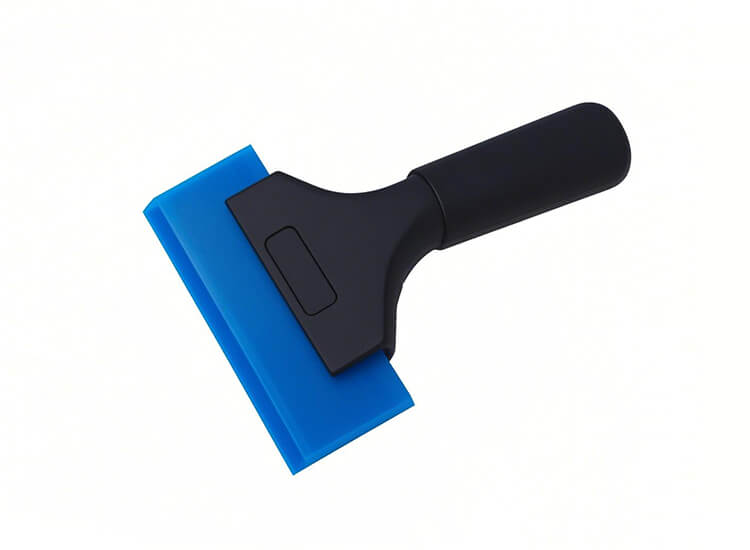
Request current installation instructions before training a team or quoting a customer. Confirm the approved preparation steps, tools, working conditions, positioning method, edge-finishing approach and any restrictions for curved glass. Ask whether the supplier recommends a test installation, who should perform it and how to record the result.
Keep a written record of the vehicle model, glass condition, product code and batch, installer, installation date and observations. This creates a reference for repeat jobs and helps distinguish product questions from vehicle, preparation or workmanship issues. If a procedure is unclear, pause and request written clarification rather than improvising on a customer vehicle.
Clarify durability, care and warranty boundaries
Before making durability or warranty statements, obtain the product-specific written policy. Confirm when coverage begins, which defects are covered, what installation records are required, how a claim is submitted and which conditions are excluded. Do not copy a warranty term from clear PPF, color PPF or window tint unless the supplier confirms it applies to this exact item.
Ask for approved cleaning and maintenance guidance, including restrictions on cleaners, tools or timing after installation. Give installers and end customers the same current instructions. A concise handover sheet can include product identity, installation date, care guidance and a contact route for support.
Compare suppliers using a like-for-like checklist
- Product code and technical data sheet revision
- Exterior windshield application stated explicitly
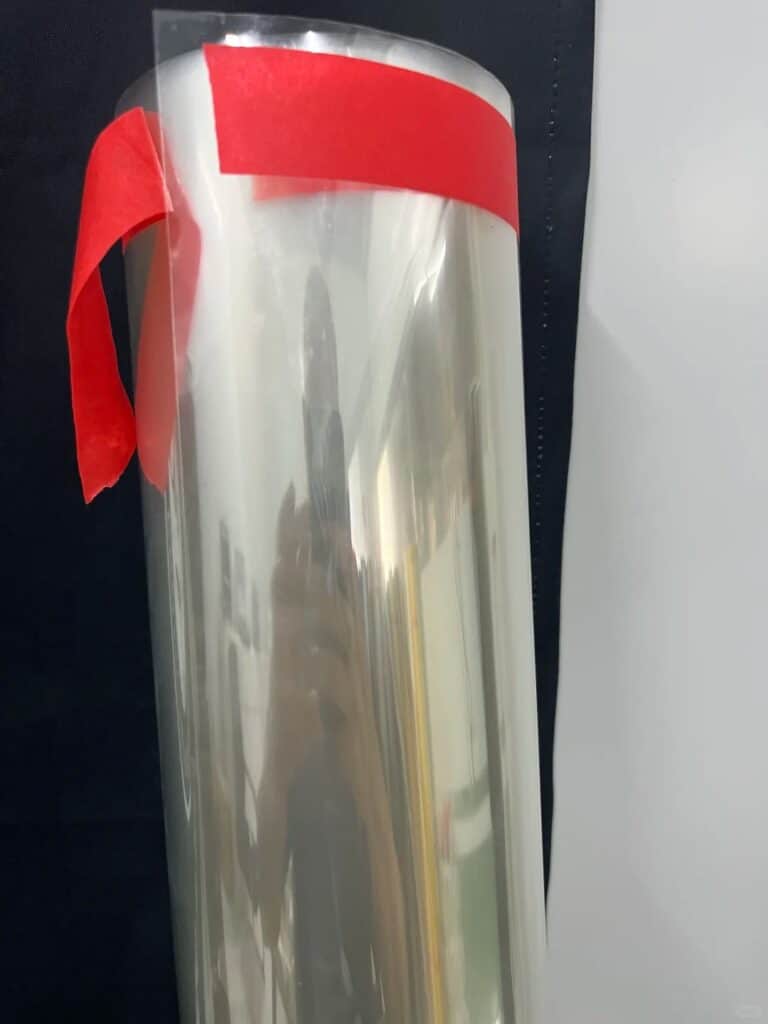
- Roll size, packaging and traceability information
- Written installation and maintenance instructions
- Available test reports and the sample they identify
- Product-specific warranty terms and claim process
- Sample availability, wholesale MOQ and confirmed lead time
- Local compliance checks required before commercial use
When comparing offers, separate the product price from freight, taxes, installation tools, training, packaging and customization charges. Confirm whether the quoted item is current finished stock or planned production, and whether a substitute model could be supplied. ELOV’s PPF buyer resources hub provides further sourcing guides; buyers can send their destination, expected demand and technical questions through the contact page.
Prepare a clear product listing for customers
A distributor’s product page should identify the film as exterior windshield protection film, show the correct roll format, summarize only verified data and link to current care and warranty documents. Separate manufacturer specifications from distributor commentary. If a customer asks whether the film is suitable for a particular vehicle or jurisdiction, direct the question to qualified installation and compliance guidance instead of promising universal fitment.
Use consistent naming across the website, quotation, carton label and invoice. If product revisions change, update the documents together and notify installers who rely on older copies. A clear description improves buyer expectations and makes repeat orders easier to verify.
FAQ
Is exterior windshield protection film the same as window tint?
No. Exterior windshield protection film is applied to the outside surface, while conventional automotive tint is generally designed for interior glass application. Confirm the surface specified for each product.
Can I decide suitability from product photos alone?
No. Photos do not reliably show optical appearance, fit or installation behavior. Review the technical documents and sample, and use qualified evaluation under appropriate conditions.
Can I reuse a warranty from another automotive film?
No. Request the written warranty for the exact windshield film model and confirm its coverage, start date, exclusions and claim requirements.
What should a wholesale buyer send when requesting a quotation?
Share destination country, estimated quantity, required roll size, target delivery timing, packaging needs and technical documents required for evaluation. Ask the supplier to confirm current product code, MOQ and lead time in writing.
Use the product page and buyer guides as a starting point, then confirm technical suitability with current supplier documentation and qualified local installers before commercial deployment.