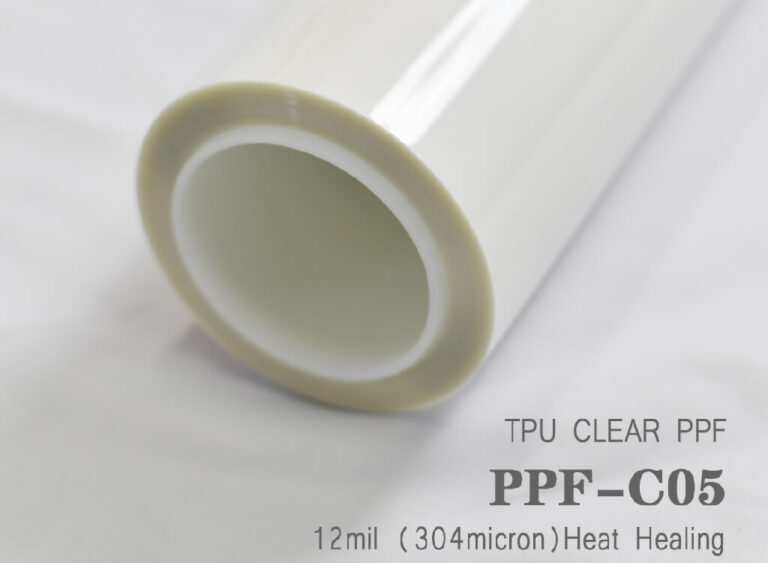
PPF Release Liner Inspection Checklist for Wholesale Buyers
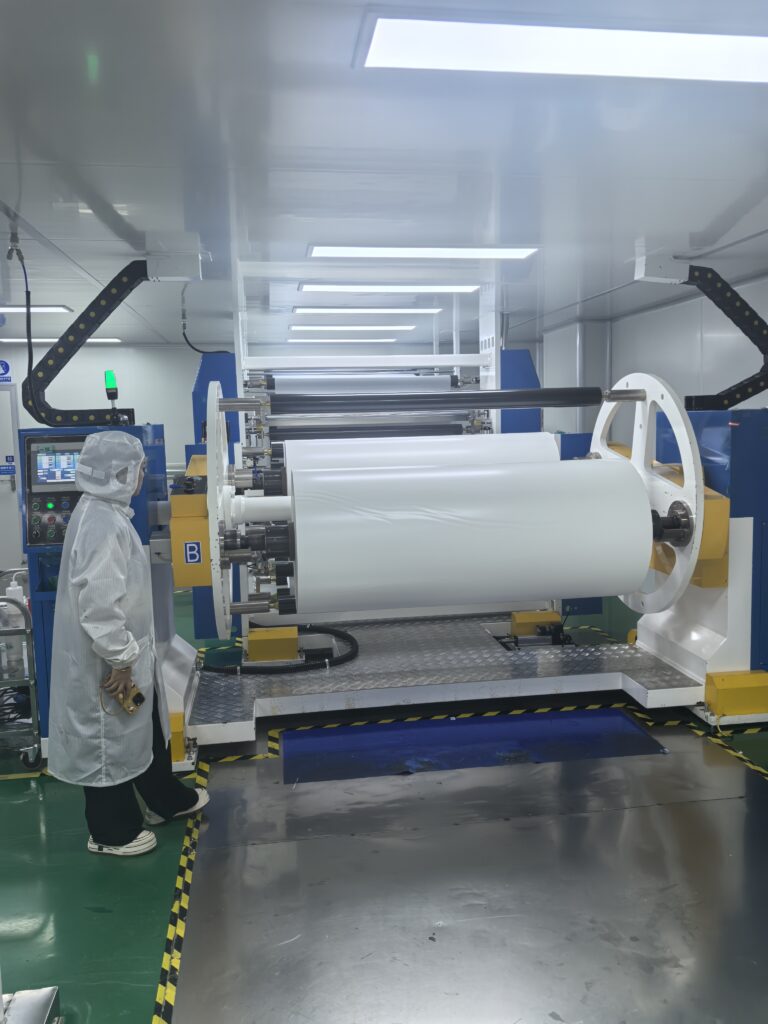
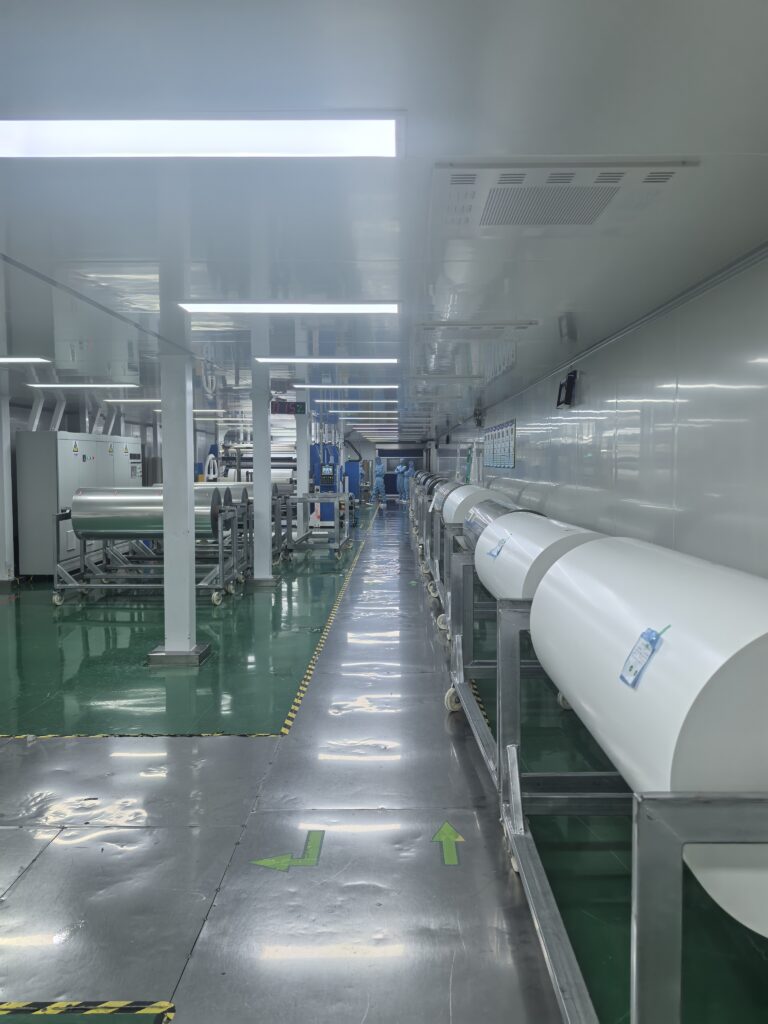
A paint protection film roll can look clean on the outside and still create questions when an installer begins to unwind it. The release liner is the removable layer that protects the adhesive before installation. If it arrives creased, contaminated, damaged at the edge or behaves differently from the approved sample, the shop may lose time before the film ever reaches a vehicle.
This PPF release liner inspection checklist is for distributors, purchasing teams and installation managers receiving samples or wholesale rolls. It is a practical screening process, not a substitute for the model-specific technical data sheet, agreed specification or written warranty. Establish acceptance criteria with the supplier before placing a production order.
What the release liner does
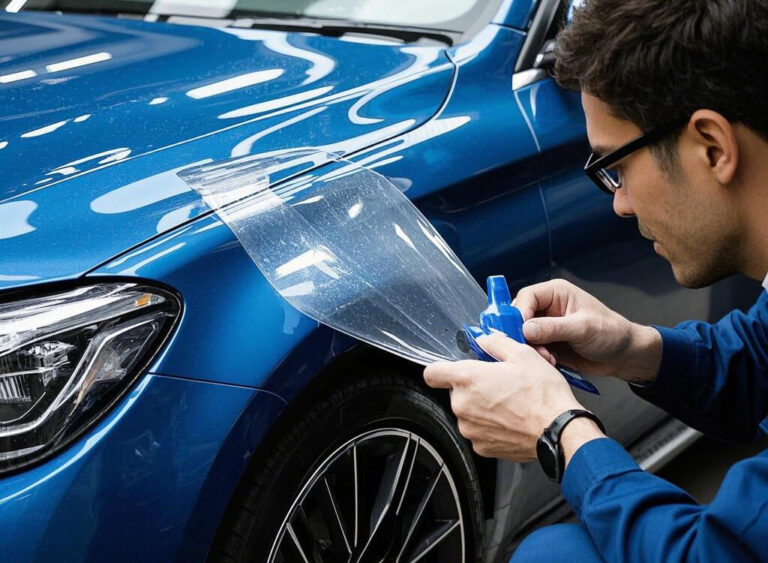
The liner covers the adhesive side during storage, handling and installation preparation. It should protect the adhesive and separate in a controlled, repeatable way under the conditions described by the product supplier. The liner is removed during installation; it is not a protective layer that remains on the finished vehicle.
Because liner construction and release behavior can vary by product, do not assume every model should feel identical. The most useful reference is the approved sample for the exact SKU and the supplier’s current written instructions.
PPF release liner inspection checklist
1. Confirm the roll identity before opening
Match the outer label, model, roll dimensions and batch or lot information to the purchase order and packing documents. Photograph the label before the roll is moved into storage. If a label is missing or conflicts with the order, set the roll aside and ask the supplier to confirm its identity rather than guessing from appearance.
2. Inspect the package and roll edges
Look for crushed ends, punctures, water marks, loose wrapping or evidence that the roll shifted during transit. Check the exposed edges for dents, telescoping, folds or impact marks. Record the condition before cutting or unwinding the material. Packaging damage does not automatically prove the film is defective, but it is useful context if a later issue appears.
3. Check the liner surface under clean light
Use a clean, dry inspection area and consistent lighting. As the film is unrolled a short distance, look for visible dust, fibers, adhesive transfer, creases, scratches, trapped particles or uneven areas on the liner. Inspect more than one point along the roll; a single clean section cannot confirm the condition of the full length.
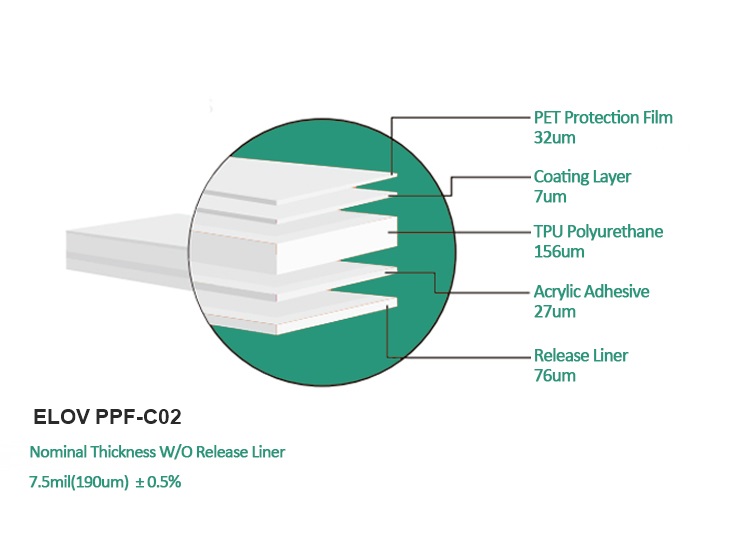
4. Compare release behavior with the approved sample
Use the same product model and follow the same handling steps for the incoming roll and approved reference sample. Note whether separation appears smooth and consistent, or whether the liner tears, lifts unevenly, sticks unexpectedly or releases with obvious variation. Avoid judging by feel alone: operator technique, temperature, storage history and the angle and speed of peeling can change the observation.
Where a numeric release-force requirement matters, request the supplier’s test method, units, conditioning procedure and acceptance range in writing. Do not create a pass/fail number from an informal hand test.
5. Check for contamination transfer and adhesive exposure
Keep hands, blades and the work surface clean. Avoid touching the adhesive after removing a small inspection section. Note any visible residue on the liner or film and photograph it before further handling. If the adhesive appears exposed, contaminated or damaged, stop the inspection and isolate that section so it does not get mixed into saleable stock.
6. Record a traceable inspection result
Log the model, batch or lot, roll number if available, delivery date, packaging condition, inspection date, operator and result. Capture clear photos or short video of the outer label, roll edge, liner surface and any abnormal release. Keep the retained sample and packaging label linked to the same record. This makes a supplier discussion specific and helps distinguish a one-roll observation from a broader batch pattern.
What to do if something looks wrong
- Pause use of the affected roll and mark it as on hold.
- Keep the original label and packaging; do not relabel it from memory.
- Document the condition before trimming, washing or applying the film.
- Contact the supplier with the order reference, model, batch details, photos and the exact step where the issue appeared.
- Ask for a written disposition: additional checks, replacement, return or another agreed action.
Do not install questionable material on a customer’s vehicle while a material issue is under review. At the same time, avoid declaring a whole shipment defective from one observation. The supplier may need a sample, application context and handling history to investigate fairly.
Agree on acceptance criteria before a bulk order
For repeat purchasing, write down the model-specific liner requirements that matter to your operation: identification and traceability, visible-condition expectations, reference sample, storage and handling instructions, release test method if applicable, and the process for reporting a concern. Define who approves a sample and who can release stock from quarantine. Ask how a specification change will be communicated before a substitute material or revised liner is shipped.
Buyers starting a new program can use the PPF sample order checklist to define what to evaluate before bulk purchasing. For lab evidence, see how to read a PPF test report; for order-level traceability, review the retained sample management guide. Compare current product details on Clear PPF specifications, then contact ELOV PPF with the model, quantity and inspection question.
Frequently asked questions
Should every PPF release liner peel with the same force?
No universal release-force value applies to every film. Compare against the approved sample and the product-specific test method or written requirement agreed with the supplier.
Can I inspect the liner without applying the film to a vehicle?
Yes. A receiving inspection can check identification, packaging, visible liner condition and a controlled short unwind. A vehicle installation is not needed to document those observations.
What details should I send with a liner complaint?
Send the order reference, exact model, batch or lot, delivery and storage history, point in the roll, inspection conditions, and clear photos or video. Keep the affected material and label available until the supplier responds.
Does a damaged liner always mean the PPF adhesive is defective?
Not necessarily. The liner condition is one piece of evidence. A supplier should review the sample and handling details before identifying the cause or deciding on a remedy.
Article author: ELOV PPF