How to Build a Color PPF Sample Board That Helps Distributors Sell Faster
A Color PPF sample board is one of the most practical selling tools for distributors, installer chains and private label automotive film brands. Color paint protection film is not purchased only by specification. Buyers, installers and car owners want to see how the color looks on a vehicle, how the surface reflects light and whether the shade fits their local market.
For wholesale buyers, the goal is not to show every color at once. The goal is to build a sample board that helps customers make faster decisions, reduces confusion between similar colors and supports repeat orders. This guide explains how to plan a Color PPF sample board using application photos, color families, technical specifications and MOQ planning.
Start With Buyer Intent, Not Only Color Count
Many distributors think a bigger sample board is always better. In reality, too many colors can slow the sales process if the board is not organized. A better approach is to start with buyer intent. Ask which customers you want to serve first: premium restyling shops, car clubs, dealerships, installer chains or small wrap studios.
A dealer-focused board may need elegant black, grey, white, silver and pearl colors. A performance market may need red, yellow, green, blue and special-effect colors. A private label brand may need a balanced entry range that looks complete but remains easy to stock.
ELOV now provides several resources that help buyers compare options before ordering samples, including the Color PPF application gallery, the Color PPF color options by family page and the full Color PPF collection.
Organize the Board by Color Families
A sample board should not be arranged randomly. Color families make the board easier to explain and easier to reorder. Most distributors can begin with these groups:
- Black and dark colors for stealth and luxury styling
- White, pearl and light colors for clean premium looks
- Grey, silver and metallic colors for mainstream markets
- Blue and green colors for personality and performance styling
- Red, pink, orange and yellow colors for high-visibility projects
- Special-effect finishes such as diamond, laser, liquid metallic and carbon fiber styles
This structure helps sales teams guide buyers instead of asking them to scan hundreds of similar names. It also makes your inventory plan more logical because each family can include basic, premium and standout choices.
Use Application Photos Beside Physical Samples
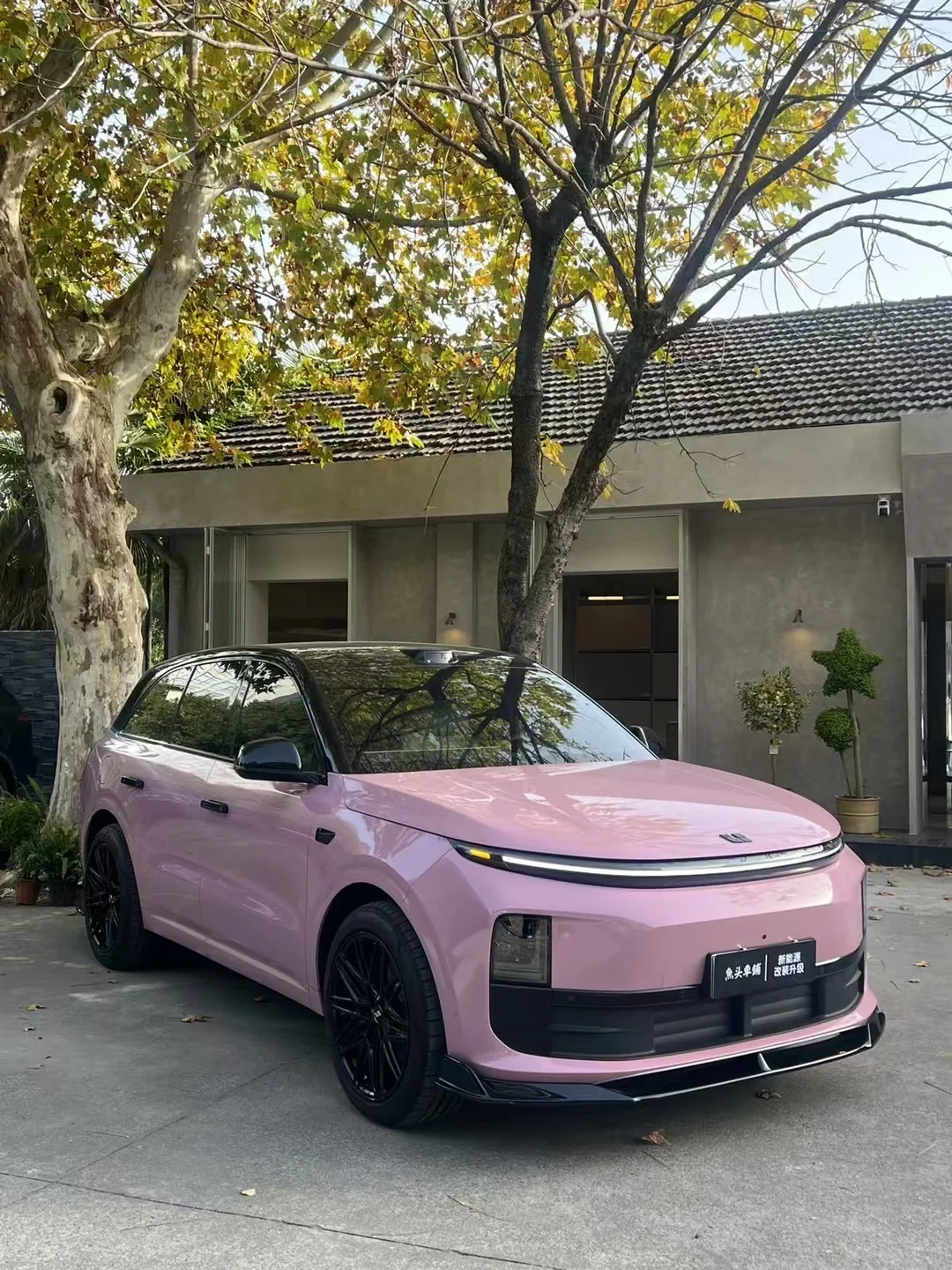
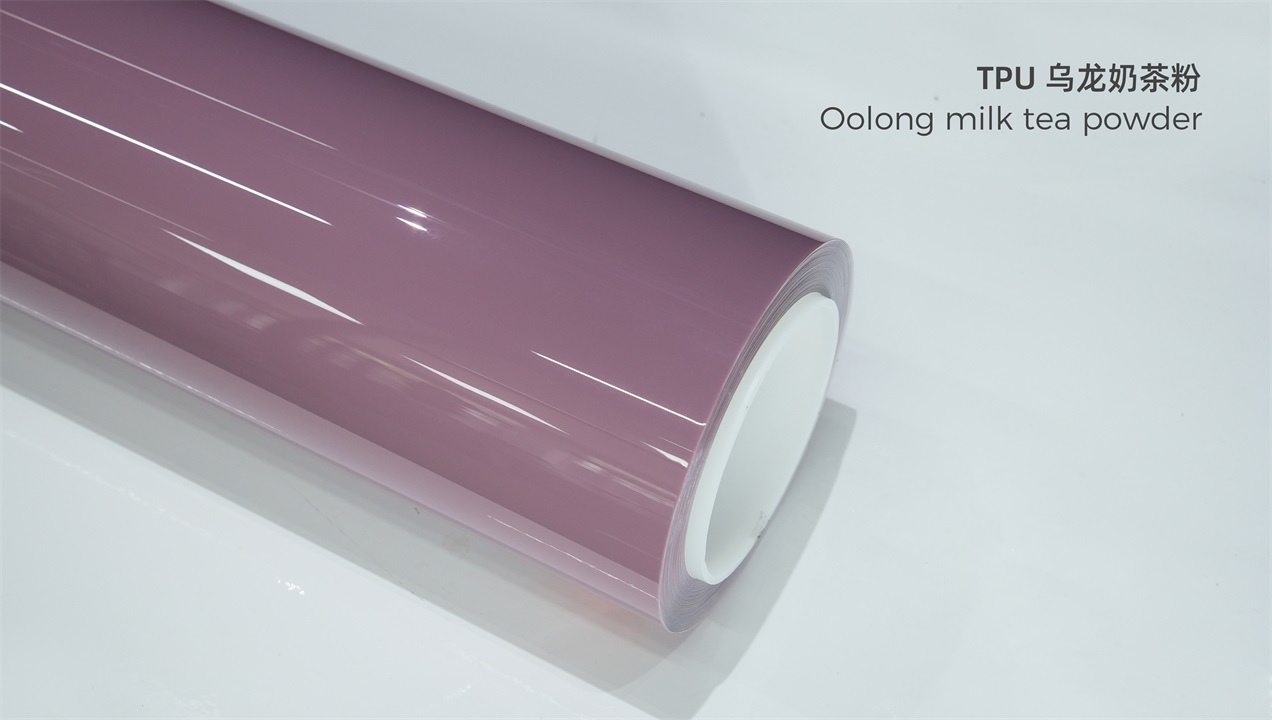
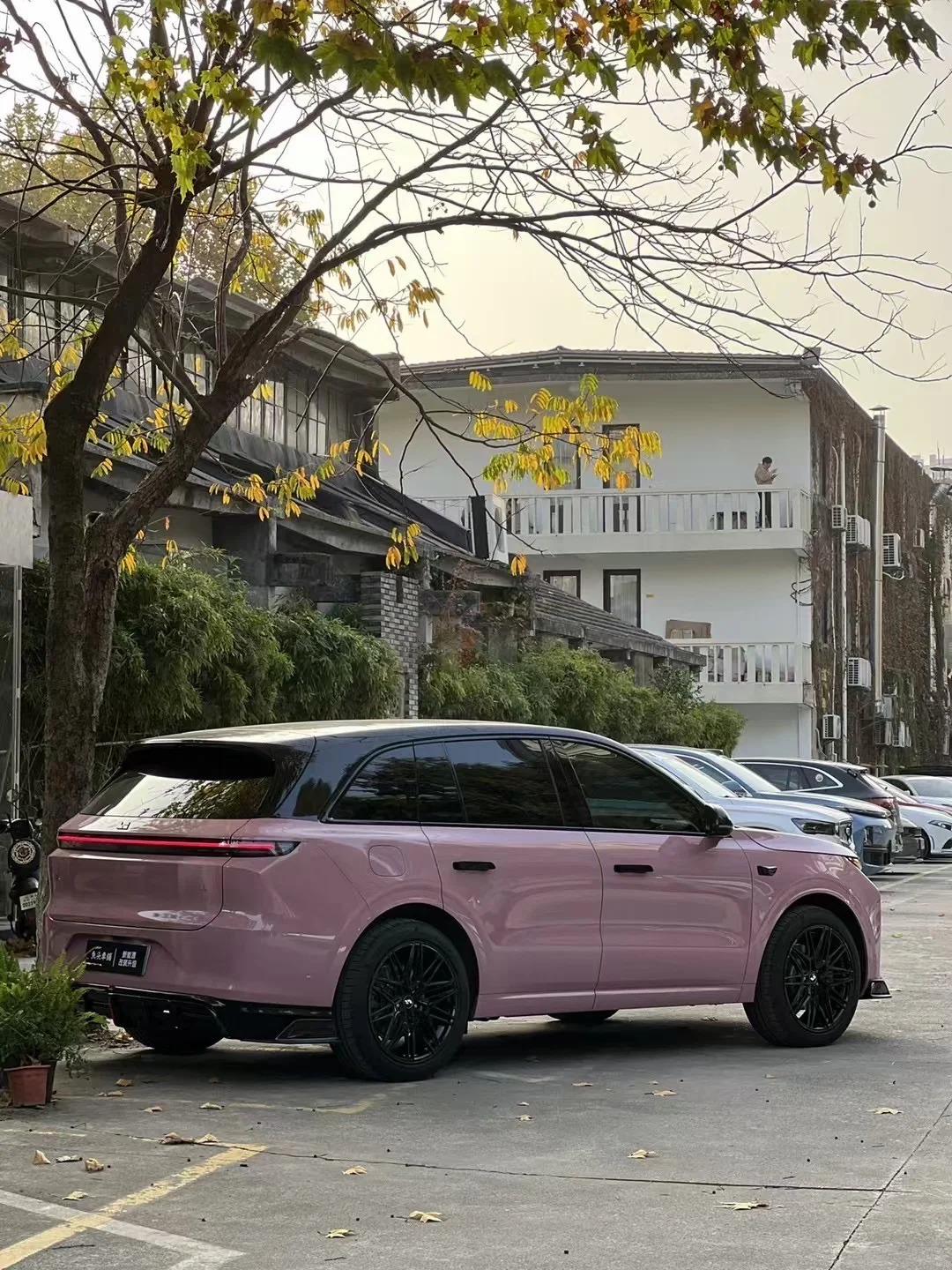
Physical samples are essential, but they are small. A sample chip shows color and surface, while an application photo shows how the same color behaves on a full vehicle. The two should work together.
For example, a soft color may look subtle on a small card but much stronger on an SUV. A metallic or special-effect color may need outdoor photos to show the real reflection. A matte or satin finish may look different depending on panel shape and light direction.
Use the Color PPF application gallery as a reference when selecting sample board colors. Each photo links back to a product page, so your team can connect the visual effect with model code, color name and specification details.
Connect Every Color to a Model Code
A good sample board is not just beautiful. It must also be operational. Every color should have a clear model code, color name and reorder reference. Without this structure, installers may remember the color visually but fail to order the correct product later.
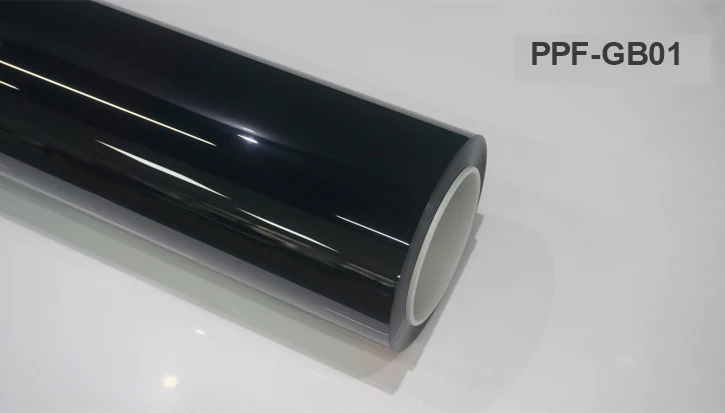
For Color PPF, distributors should place model codes such as PPF-CP001 or PPF-CP097 beside the sample. The product page URL, QR code or catalog reference can also be included if your sales team uses digital tools. This is especially useful when your board includes many similar pearl, silver, grey or black variations.
Before printing labels or sample cards, check the Color PPF specifications page so your team uses consistent product data, roll size, warranty positioning and technical language.
Balance Popular Colors and Attention Colors
A distributor sample board should include two types of colors: colors that sell often and colors that attract attention. Popular colors may include black, white, grey, silver and several blue or green options. Attention colors may include diamond, laser, liquid metallic, orange, yellow or special-effect finishes.
The popular colors help the board convert practical buyers. The attention colors help the board start conversations. A strong board needs both. If it contains only safe colors, it may look ordinary. If it contains only bold colors, it may not support enough everyday orders.
Match Sample Board Planning With MOQ
Sample boards should be planned together with MOQ and stock strategy. If a distributor wants to test a new market, it may be better to begin with a focused board and order sample rolls before building deep stock. ELOV supports sample evaluation and MOQ 1 roll for selected programs, which helps buyers test installer feedback before scaling.
The PPF sample and MOQ ordering guide can help buyers decide how to move from sample board planning to real order quantities.
Think About Packaging and Private Label Presentation
If the sample board is part of a private label program, packaging should match the same logic. The color name, model code and finish type on the sample board should match the box label, inner bag and backing liner information. This reduces sales mistakes and makes the brand feel more professional.
Buyers building a private label Color PPF line can review OEM PPF packaging for custom box, inner bag and backing-logo support. The board, packaging and product pages should all speak the same language.
Use the Sample Board as a Sales Training Tool
A sample board is also a training tool. New sales staff can use it to learn which colors belong to each family, which products are best for conservative buyers and which special-effect colors create stronger emotional appeal. Installers can use it to guide car owners through a more confident choice.
For wholesale distributors, this means the sample board should not sit alone. It should be supported by product pages, application photos, specification sheets and an inquiry workflow. Pages such as PPF model comparison, wholesale PPF film and Contact ELOV can help turn sample-board interest into a clear buying discussion.
FAQ
How many colors should a Color PPF sample board include?
A first wholesale sample board can start with 20 to 40 carefully selected colors. The best range depends on your target market, but it should include basic colors, premium colors and several special-effect options.
Should distributors use application photos with physical samples?
Yes. Physical samples show the film surface, while application photos show the color on real vehicle shapes. Together they help buyers understand both material and visual effect.
What information should appear beside each Color PPF sample?
Each sample should include the color name, model code, finish type and reorder reference. For private label programs, the label system should match the packaging and product catalog.
Can ELOV help buyers choose colors for a private label product line?
Yes. ELOV can support color selection, sample rolls, Color PPF specifications and OEM/ODM packaging planning for distributors and private label buyers.
Final Thoughts
A strong Color PPF sample board is not only a display tool. It is a sales system. Organize colors by family, connect each sample to a model code, support the board with application photos and align everything with MOQ, packaging and product-page information. To build a Color PPF sample board for your market, browse the application gallery and contact ELOV with your target colors, market and order plan.