Windshield Protection Film Wholesale Guide for Distributors and Installers
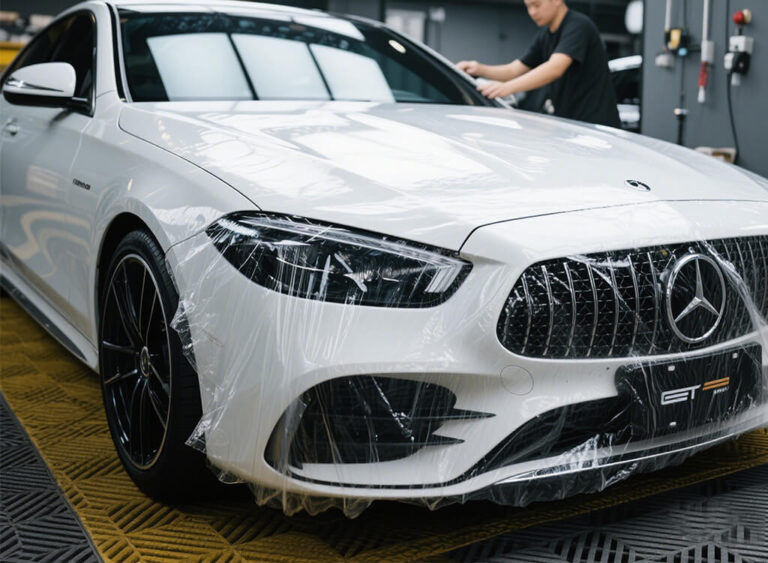
Windshield protection film is becoming a practical add-on category for automotive film distributors, detailing studios and installers that already sell paint protection film. Clear body PPF protects painted panels, while windshield protection film is designed for the exterior glass surface, where drivers face stone chips, sand, road debris, wiper wear and daily highway impact. For wholesale buyers, the opportunity is not only selling another roll of film. It is building a higher-value protection package around the front of the vehicle.
This guide explains how distributors should evaluate windshield protection film before buying in bulk, how to position it with installers, and which factory details matter when comparing suppliers.
What Is Windshield Protection Film?
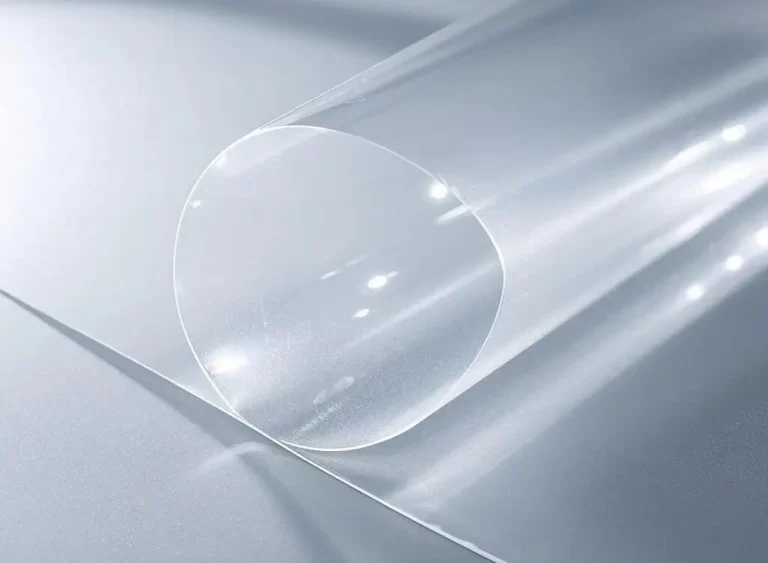
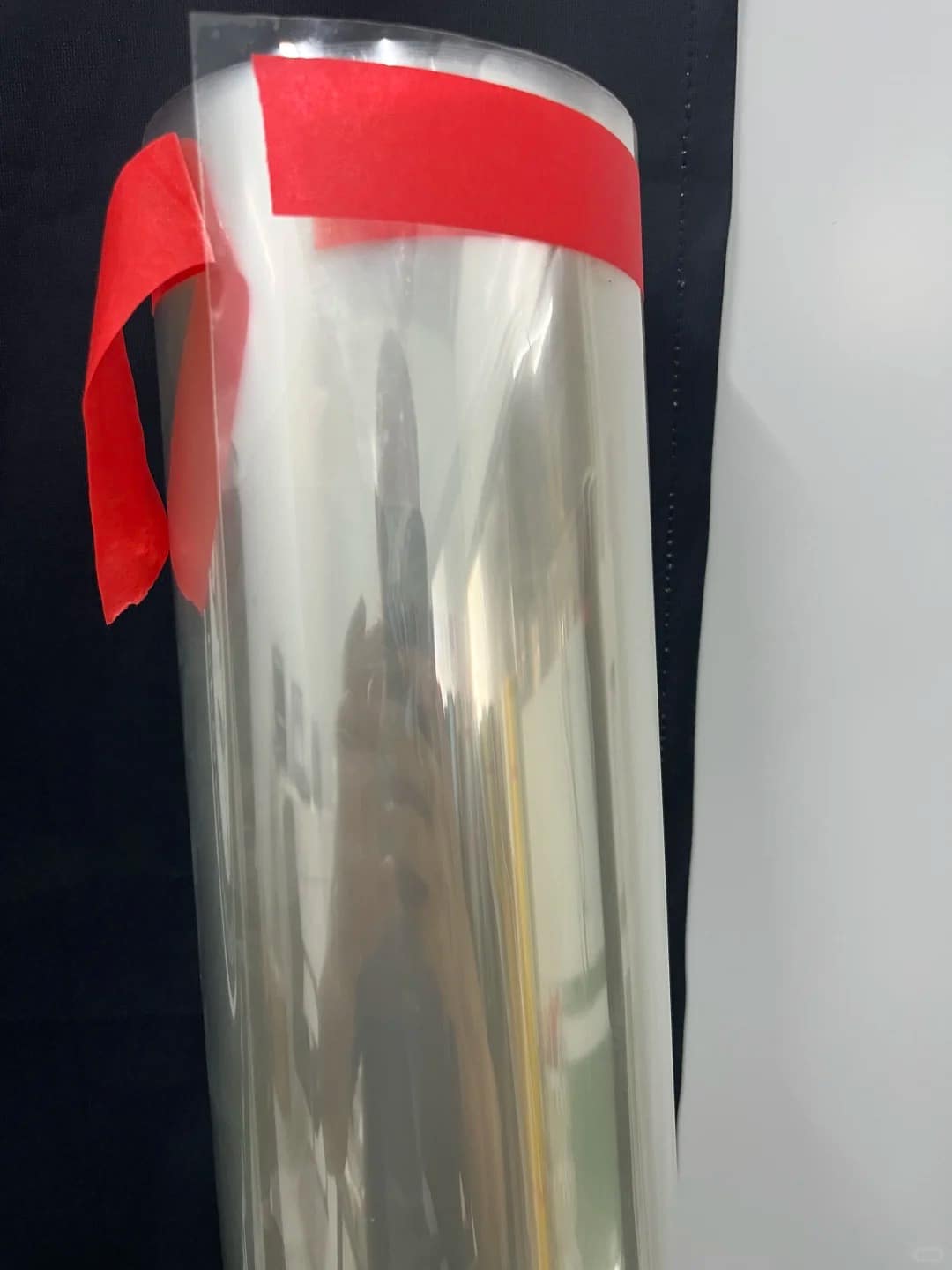
Windshield protection film is a transparent protective film installed on the outside of a vehicle windshield. Its job is to reduce damage from road debris, small stones, sand and surface abrasion. It is not the same as interior window tint. Tint films are normally used for heat rejection, glare control and privacy. Windshield protection film is a physical barrier applied to exterior glass.
For a distributor, this distinction matters. If your sales team presents windshield film as another tint product, installers may compare it only by price. If you present it as an exterior protection product, it becomes easier to sell together with clear paint protection film, front-end packages and premium vehicle protection services.
Why Distributors Add Windshield Film to a PPF Product Line
Most PPF distributors already serve installers who protect bumpers, hoods, fenders, headlights and mirrors. The windshield is a natural next surface because it is highly exposed to the same road conditions. A dealer or installer can offer a more complete front protection package: clear PPF for painted panels, headlight protection film for lenses, and windshield protection film for exterior glass.
This helps distributors increase order value without creating a completely new customer channel. Instead of looking for new buyers from zero, the distributor can educate existing PPF installers, tint shops and detailing studios. The product also supports fleet, luxury car, off-road, highway driving and high-mileage customer segments.
Buyers comparing product categories can review ELOV’s windshield protection film page together with headlight protection film and paint protection film.
Key Specs Wholesale Buyers Should Check
Film Thickness and Optical Clarity
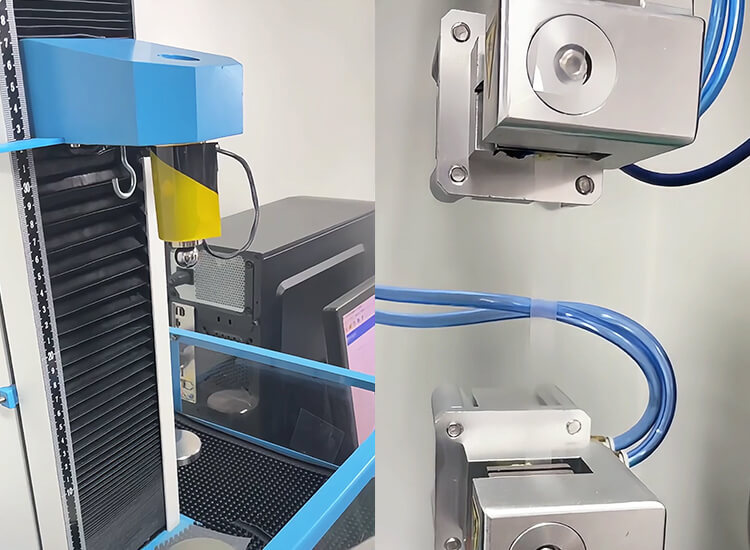
Windshield film must balance impact protection with clear visibility. A film that is too thin may not give installers enough confidence for protection claims. A film that is too heavy or optically poor may create distortion, especially across curved glass. Buyers should test film on real windshields before committing to bulk stock.
Exterior Application Performance
The application range should be clear: windshield protection film is installed on the exterior automotive windshield surface. Buyers should check wiper compatibility, edge stability, water behavior and clarity after installation. Installation feedback from a trained installer is more useful than judging a loose sample only by hand feel.
Adhesive and Removal Behavior
Good adhesive should support secure installation while allowing controlled removal. The film must stay stable under normal use, but distributors also need confidence that installers can remove or replace it correctly when service life ends. Ask suppliers for application guidance, recommended tools and storage requirements.
Warranty and Service Expectations
Warranty terms should match the real product category. ELOV’s current official warranty range for window film is 2-5 years, and windshield film buyers should confirm the exact warranty for the selected model and local installation conditions before publishing promises in their own catalog.
How to Test Samples Before Bulk Orders
A sample roll should be tested on actual glass, not only inspected on a table. Distributors should ask installers to evaluate optical clarity, trimming behavior, squeegee feel, edge adhesion and wiper area performance. If the distributor serves different climates, sample testing should include heat, humidity, rain and dusty road conditions.
Keep the test process simple but documented. Record film model, batch, installation date, vehicle type, installer feedback and any visible issue. This gives your sales team stronger evidence when deciding whether the product deserves regular inventory. For a broader testing workflow, use the PPF sample order guide as a reference.
Inventory Planning for Windshield Film
Windshield protection film should not always be stocked like clear PPF. Clear body PPF usually has more frequent daily demand. Windshield film may start as a supporting category until installers understand how to sell it. A practical approach is to keep sample material and limited regular stock first, then increase inventory when repeat orders prove local demand.
Distributors should also consider training. If installers are not comfortable with windshield application, inventory may move slowly even when the market has demand. Product education, short installation guidance and package pricing can help shops introduce it properly.
What to Ask a Windshield Film Supplier
Before choosing a supplier, ask for the exact material structure, thickness, roll size, warranty terms, sample availability, MOQ, lead time and packaging options. Buyers should also ask whether the supplier can support stable repeat orders and batch traceability. These details matter more than a single low price because the distributor must support installers after the first sale.
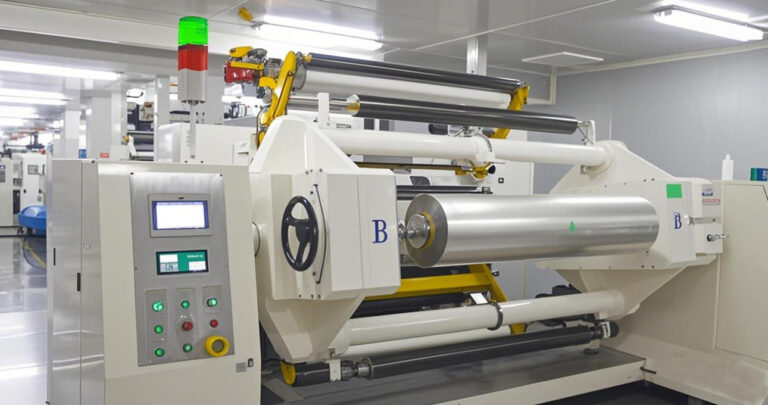
ELOV operates an owned 96,000 sqm factory with a 73,000 sqm production area, stable product-line inventory and OEM packaging support. Buyers who want to compare factory capability can review ELOV PPF factory capabilities and OEM PPF packaging options.
FAQ
Is windshield protection film installed inside or outside the glass?
It is installed on the exterior surface of the automotive windshield. This exterior position allows it to act as a protective layer against road debris, sand and surface abrasion.
Is windshield protection film the same as window tint?
No. Window tint is usually installed for heat, glare and privacy functions. Windshield protection film is a transparent exterior protection film for automotive glass.
Should distributors test windshield film before buying in bulk?
Yes. Buyers should test optical clarity, trimming, adhesion, wiper area behavior and installer feedback on actual windshields before building regular inventory.
Can windshield film be sold with PPF packages?
Yes. It can be positioned with clear PPF, headlight protection film and front-end protection packages for customers who want broader vehicle protection.
For sample orders, wholesale pricing or OEM packaging support, send your target market, order quantity and application requirements through the ELOV inquiry page.