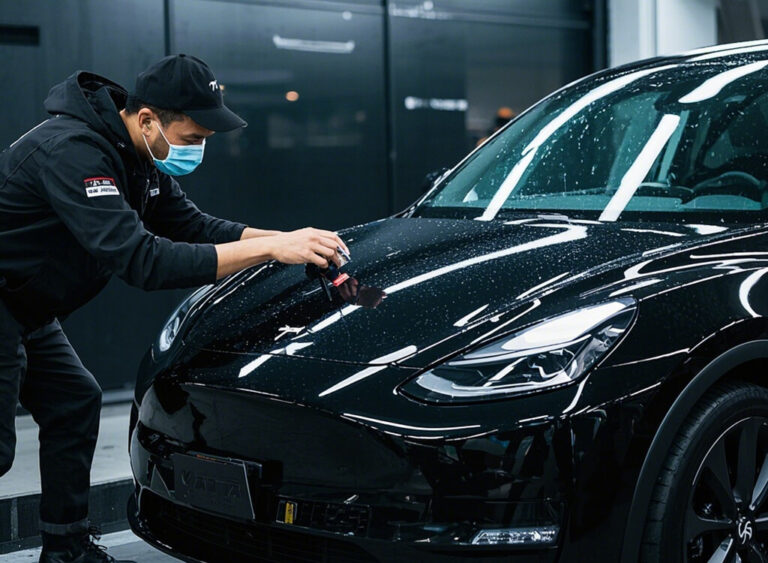
How PPF Film Is Manufactured in a TPU Factory
PPF Manufacturing Process: What Wholesale Buyers Should Check
Paint protection film manufacturing affects coating uniformity, adhesive stability, roll consistency, installation feedback and warranty risk. For distributors and private label buyers, the manufacturing process should be checked together with factory capacity, QC records, sample testing and OEM packaging support.
| Buyer Checkpoint | Why It Matters | Useful ELOV Page |
| TPU base-film source and specification | Controls clarity, flexibility, thickness consistency and long-term durability. | Clear PPF specifications |
| Coating and self-healing layer | Affects gloss, hydrophobic behavior, stain resistance and scratch recovery. | Color PPF specifications |
| Adhesive and lamination | Influences installer handling, repositioning, edge stability and warranty feedback. | PPF factory QC checklist |
| Inspection and batch tracking | Helps buyers control roll quality, trace claims and compare repeat supply. | Batch traceability guide |
| Export packing and OEM branding | Protects rolls during shipping and supports private label presentation. | OEM PPF packaging |
ELOV factory facts: founded in 2013, with a self-owned 96,000 sqm site, 73,000 sqm production area and 10 PPF-related lines. Stable monthly capacity is 50,000 Clear PPF rolls, 10,000 Matte PPF rolls and 5,000 Color PPF rolls. Request company certificates and product test reports separately for the relevant company, model and scope.
Review ELOV PPF factory capabilities, plan sample testing, or contact ELOV PPF for manufacturing, sample and wholesale quote support.
Paint protection film manufacturing combines material sourcing, coating, adhesive control, lamination, slitting and inspection. Buyers should distinguish upstream TPU resin and base-film production from the operations performed by their finished-film supplier.
ELOV performs coating, laminating, slitting and packaging in-house. Raw materials are purchased externally, and custom packaging boxes are produced by external partners. The self-owned site covers 96,000 sqm, including 73,000 sqm of production area. Its 10 PPF-related lines comprise 4 coating, 2 laminating, 2 slitting and 2 packaging lines.
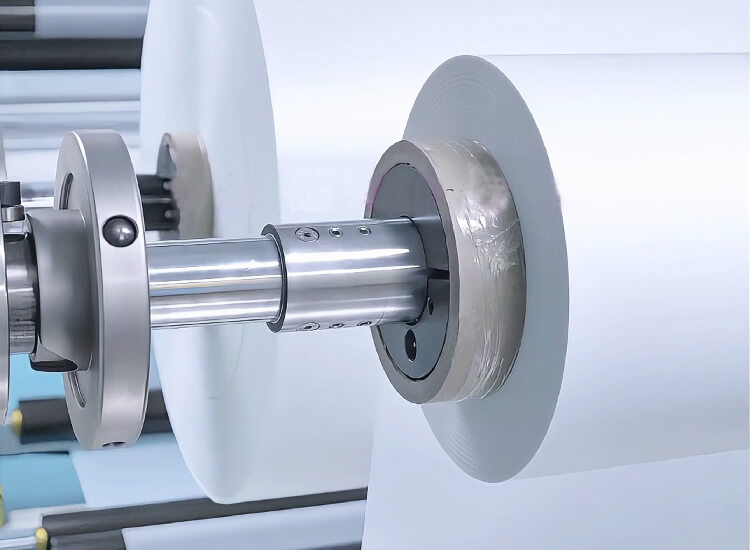
TPU PPF Manufacturing Proof Buyers Should Request
Paint protection film manufacturing should be checked as production proof, not only as a process story. Before a wholesale buyer approves a TPU PPF factory, each production step should connect to sample testing, QC records, batch traceability and packaging control.
| Manufacturing Step | Buyer Risk It Controls | Proof to Request |
|---|---|---|
| TPU film and coating | Clarity, self-healing, hydrophobic behavior, yellowing resistance and warranty positioning. | Specification sheet, sample roll and coating test feedback. |
| Adhesive and lamination | Installer complaints, edge lifting, adhesive marks, removal behavior and repeat sales risk. | Installation test, adhesive behavior notes and approved sample record. |
| Roll inspection and slitting | Roll defects, width inconsistency, surface marks and cutting/installation waste. | QC checklist, roll inspection record and carton label details. |
| Batch traceability and packing | Warranty review, reorder control, private label confusion and shipping claims. | Batch number, carton label, packaging approval and shipment checklist. |
Use this page together with PPF factory capabilities, the factory QC checklist, batch traceability guide, OEM packaging and sample order checklist.
What Is Paint Protection Film and What Are the Main Types?
This guide focuses on automotive TPU paint protection film applied to suitable painted panels. Clear, matte and colored models offer different appearances; select the model for the intended surface and use. Film does not restore damaged paint, and protection depends on the model, installation, care and exposure conditions.
Three Main Types of Paint Protection Film On the Market Now
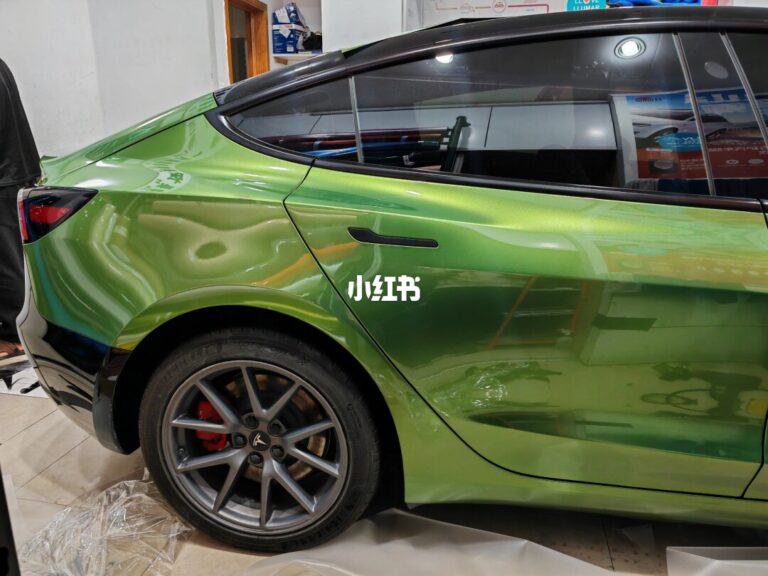
Clear PPF(Clear Bra), Matte PPF, Color PPF
Main Benefits of Paint Protection Film for Cars
Automotive Surface Protection: Helps reduce damage from minor surface abrasion and road debris; it does not prevent every scratch or stone impact.
Maintaining Vehicle Aesthetics: Helps retain the original color and finish of the paint over time.
Value-Added Services: Additional value for high-end models, enhancing customer satisfaction and appeal.
What Is Paint Protection Film?
Surface Protection Film Manufacturing Process: From Materials to Finished PPF
This guide concerns automotive TPU paint protection film. Other surface-protection films can use different materials and processing routes. For a supplier audit, establish who performs each stage and which records relate to the actual product being ordered.
1. Confirm the TPU and Base-Film Source
TPU resin manufacture and conversion into base film are upstream activities. ELOV’s confirmed in-house scope is coating, laminating, slitting and packaging; raw materials are externally sourced. Ask for the selected model’s material specification and supplier documentation. Do not treat a material brand name as proof of finished-film performance.
2. Inspect Incoming Materials
Match incoming TPU material, coating, adhesive and liners to the approved specification. Record material identification and inspection results so the finished roll can be reviewed against its batch. ELOV includes raw-material inspection in its QC workflow and can provide supporting records.
3. Apply the Coating
The coating system contributes to the required gloss or matte finish, hydrophobic behavior and self-healing performance. ELOV operates 4 coating lines. Compare the model’s coating specification with a sample installation and the applicable test report; a short demonstration alone does not establish service life.
4. Control Adhesive and Lamination
ELOV operates 2 laminating lines. Buyers should check adhesive identity, layer consistency and surface cleanliness alongside installer feedback on repositioning, adhesive marks and edge stability. Confirm the layer construction and processing requirements for the selected model.
5. Check Film Quality
ELOV’s QC scope includes coating or adhesive checks, thickness and appearance checks, relevant optical or other testing, finished-product sampling and batch tracking. Request the test method, result, sample identification and date. Separate routine production checks from longer laboratory tests and third-party reports.
6. Slit and Prepare Rolls
ELOV operates 2 slitting lines. Confirm roll width, length, winding condition and surface appearance against the order. For a standard 1.52 m x 15 m roll, compare the specification and label with the received roll, and retain the batch reference for repeat orders.
7. Pack and Approve Branding
ELOV operates 2 packaging lines and supports custom boxes, inner bags and backing logos. Custom box production is outsourced; packaging is completed in-house. Approve artwork, model names and carton labels before the branded order is prepared. Review OEM packaging requirements.
8. Confirm Stock and Dispatch Timing
Regular inventory is 80,000 Clear PPF rolls, 10,000 Matte PPF rolls and 20,000 Color PPF rolls across those ranges. Confirm current availability for each model or color. Preparation estimates from payment are 1-2 working days for samples, 2-3 for stock orders, about 7 for regular production, about 10 for OEM packaging and 15-20 for custom products. Freight transit is separate.
Samples start from 1 roll. Standard MOQ is 20 rolls for Clear PPF, 20 for Matte PPF and 10 for Color PPF. OEM packaging and private-label custom orders start from 100 rolls; different models can be mixed. Use the sample and MOQ guide or request manufacturing records and a sample quote.

Production Environment and Facility Checks
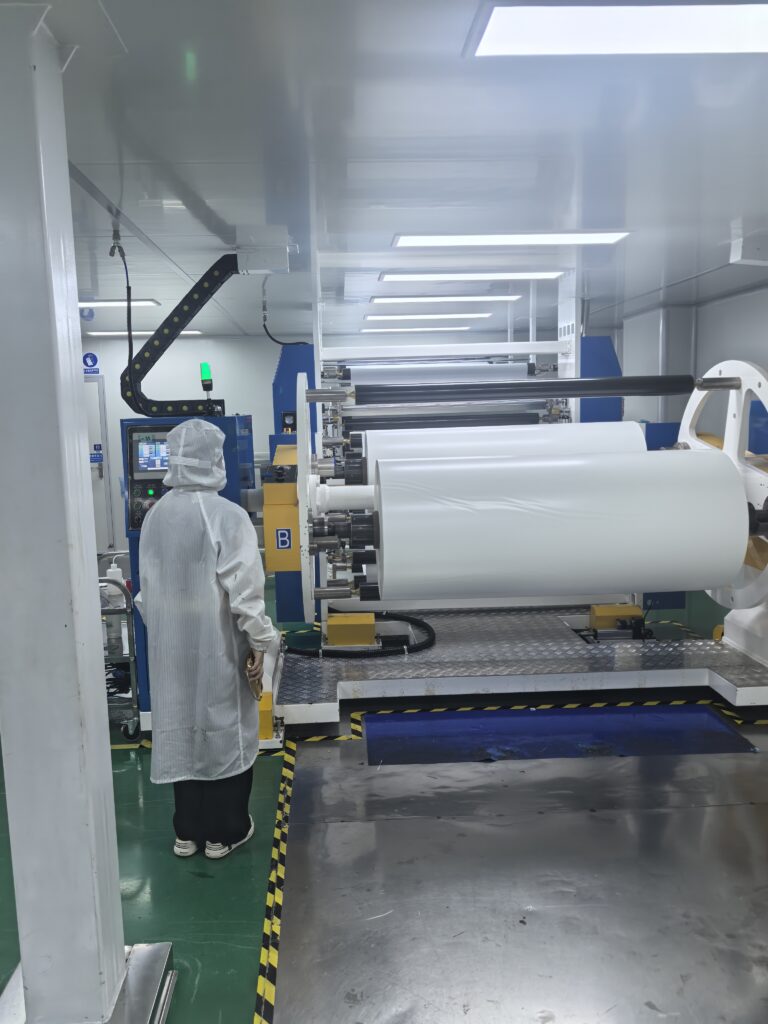
During a supplier audit, check how the production environment is controlled and recorded. A workshop photograph alone does not establish a cleanroom classification, an automation level or product quality.
- Contamination control: request cleaning procedures, material-handling controls and relevant inspection records. Confirm any claimed cleanroom classification with supporting documentation.
- Temperature and humidity: ask which conditions are specified for the process, how they are monitored and how deviations are handled.
- Production continuity: confirm the operations performed on-site, maintenance records and the order-specific production schedule rather than judging capability from equipment photographs alone.
ELOV PPF-related Lines and Equipment Verification
ELOV’s confirmed in-house scope is coating, lamination, slitting and packaging. The following breakdown describes its 10 PPF-related lines; it is not a list of upstream resin or base-film manufacturing equipment.
| Operation | Lines | Buyer Verification |
|---|---|---|
| Coating | 4 | Confirm the selected model’s coating specification and associated inspection records. |
| Lamination | 2 | Review layer construction, adhesive checks and batch records. |
| Slitting | 2 | Confirm roll dimensions, winding condition and finished-roll inspection. |
| Packaging | 2 | Review roll protection, labels and approved packaging artwork. |
Raw materials are purchased externally and custom packaging boxes are outsourced. For any specific machine or test capability, request its identification, purpose, relevant maintenance or calibration evidence and a record linked to the ordered model. Do not assume that every instrument or upstream operation is present at the finished-film site.
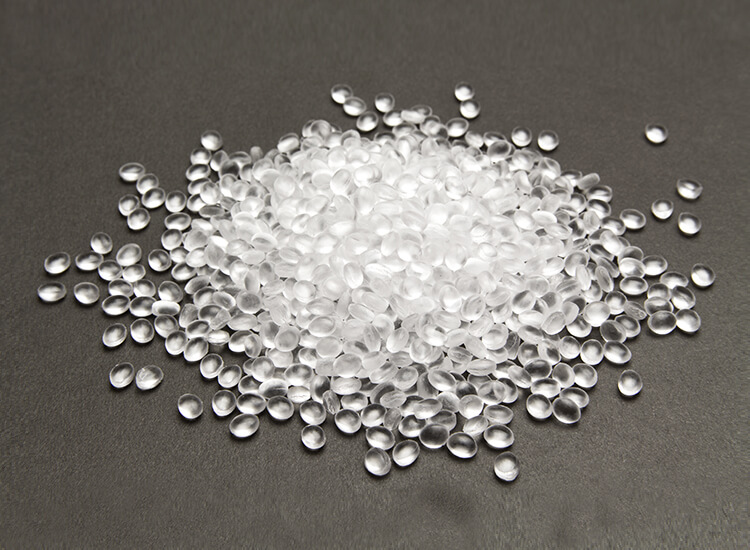
Paint Protection Film Materials and Layer Construction
A typical TPU PPF roll contains a protective top coating, TPU base film, pressure-sensitive adhesive and release liner. Some products also include a removable protective cap sheet. Confirm which layers are included in a quoted thickness; shipping liners should not be confused with the installed film.
Match Materials to the Product Model
Confirm the TPU brand and grade, coating system and adhesive for the exact SKU. These details can differ between models. Use the Clear PPF specifications, Matte PPF specifications and Color PPF specifications before approving samples.
Material suppliers distinguish TPU resin technology from film processing. For background on this distinction, see Lubrizol’s TPU guidance for paint protection film. Supplier literature supports material selection; it does not replace a test report for the finished ELOV model.
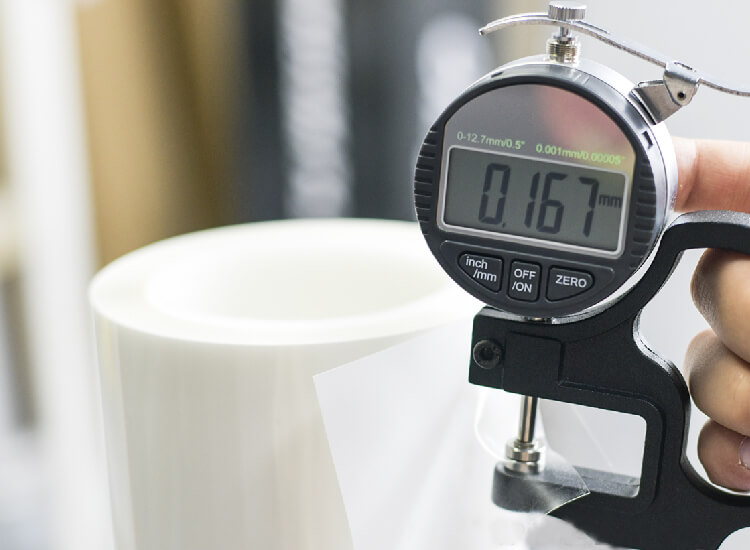
Quality Control and Tests
The quality control of PPF production is generally achieved through in-process quality control (IPQC) and a series of tests (QC).
Online Quality Control
Surface inspection helps identify visible defects during production. Confirm the method and acceptance criteria for the product being ordered.
ELOV can provide inspection equipment records and QC evidence. Ask which equipment was used for the selected model, how the result was recorded and how the inspection links to the batch.
Material and Finished-Film Test Evidence
Separate incoming-material checks, in-process inspection and finished-film laboratory testing. Request the model or material identity, batch, date, method and edition, test conditions, units, result and agreed acceptance criterion. A test-method name is not a universal pass mark. Use the PPF standards and test-report guide to review comparable evidence.
Raw material testing
The following are examples of material tests buyers may request. The applicable tests depend on the material, model and agreed specification; this list is not a claim that every test is performed on every roll.
TPU (thermoplastic polyurethane) Testing
1. Melt Flow Index, MFI
2. Tensile Strength
3. Elongation at Break
4. Hardness, Shore A
5. Abrasion Resistance
6 . Weather Resistance
Coating Material (self-repairing, anti-fouling, etc.) Testing
1. Adhesion Test
2. Self-healing Performance
3. Chemical Resistance
4. UV Resistance
5 . Yellowing Resistance
6. Surface Hardness Test
Pressure Sensitive Adhesive (PSA) Testing
1. Peel Strength Test
2. Tack Test
3. Shear Adhesion Test
4. Aging Resistance Test
Release Film Testing
1. Release Force Test
2. Surface Smoothness Test
3. Thickness Uniformity Test
4. Aging Resistance Test
Additive Testing Items
1. Dispersibility Test
2. Oxidation Resistance Test
3. UV Stabilizer Efficiency Test
Car Paint Protection Film Finished Product Testing(Laboratory Tests)
Examples of finished-film tests to discuss with the supplier include the following. Request the available report and method for each required property; do not assume all tests apply to every model or batch.
1. Scratch Resistance Test
2. Abrasion Resistance Test
3. Impact Resistance Test
4. UV Resistance Test
5. Corrosion Resistance Test
6. Water Spot Resistance Test
7. Yellowing Resistance Test
8. Tensile Strength Test
9. Adhesion Strength Test
10. Chemical Resistance Test
11. Gloss Retention Test
12. Thermal Aging Test
13. Low Temperature Flexibility Test
14. Stain Resistance Test
15. Self-healing Test
16. Optical Clarity Test
How to Compare PPF Suppliers Using Production Evidence
Compare the company and product behind the quotation, not an unsupported manufacturer ranking. A brand name alone does not identify which facility performs each operation or establish the performance of a particular film.
- Identify responsibility: confirm the legal supplier, production site, in-house operations and outsourced stages.
- Compare the same specification: use the model, film construction, roll dimensions, surface finish and written warranty rather than broad brand claims.
- Verify documentation: distinguish management-system certificates, material-supplier documents and finished-product test reports; check their scope and relevance.
- Approve a sample: retain a dated sample record, agree acceptance criteria and connect subsequent deliveries to model and batch identifiers.
- Compare the complete quote: confirm quantity, packaging, preparation time, shipping terms and included charges. Review the China PPF price guide before comparing offers.
For ELOV-specific verification, request records through the manufacturing and QC inquiry and review the factory capabilities page.
Summary and Suggestions
Approve the selected PPF model using a documented specification, comparable sample testing and production records. Confirm the supplier’s actual operations, then connect the quotation, packaging approval and delivered rolls to that evidence. Keep capacity, current availability and order preparation time separate when planning repeat supply.
| ELOV Paint Protection Film OEM |
| 100-Roll MOQ |
| Custom boxes, inner bags and backing logos. Preparation from payment: about 10 working days for OEM packaging and 15-20 for custom products. Confirm artwork, model availability and the order schedule; freight transit is additional. |
| Request an OEM Packaging Quote |
PPF Manufacturing Process FAQ for Wholesale Buyers
For distributors, installer chains and private label buyers, the paint protection film manufacturing process should be checked as a complete system: TPU film formation, coating, adhesive, lamination, slitting, roll inspection, batch traceability, packing and after-sales support.
| Manufacturing step | Buyer risk controlled | Recommended ELOV resource |
|---|---|---|
| TPU base-film source | Clarity, stretch, thickness consistency and long-term durability. | TPU vs TPH vs PVC PPF |
| Top coating | Gloss, hydrophobic behavior, stain resistance and self-healing recovery. | PPF industry standards |
| Adhesive and lamination | Installation feel, repositioning, edge stability and clean removal. | Factory QC checklist |
| Slitting and roll inspection | Roll width, surface defects, batch consistency and installer complaints. | Batch traceability guide |
| Export packing and OEM branding | Shipping protection, private label presentation and repeat-order consistency. | OEM PPF packaging |
Why does the PPF manufacturing process matter for wholesale buyers?
Manufacturing controls the film’s real-world consistency. TPU quality, coating uniformity, adhesive stability, lamination cleanliness, roll slitting and QC inspection all affect installer feedback, warranty risk and repeat purchasing.
What should buyers check before approving a PPF factory?
Buyers should check factory area, production lines, monthly capacity, certifications, sample support, QC workflow, batch records, product specifications and OEM packaging capability. ELOV supports wholesale buyers with a self-owned 96,000 sqm site, 73,000 sqm production area and 10 PPF-related lines. Stable monthly capacity is 50,000 Clear PPF rolls, 10,000 Matte PPF rolls and 5,000 Color PPF rolls.
Which production step affects self-healing and hydrophobic performance?
The top coating system is the key step for self-healing, hydrophobic behavior, stain resistance and gloss stability. Buyers should test coating recovery and cleaning performance on sample rolls before bulk orders.
How can buyers reduce batch inconsistency?
Use sample approval, record model and batch details, compare roll inspection results, keep storage conditions consistent and build a repeatable QC checklist. Batch traceability is especially important for distributors selling to multiple installer accounts.
How does manufacturing connect with private label PPF packaging?
Private label buyers should confirm product model, roll size, warranty position, carton label rules, custom boxes, inner bags and backing liner logos before mass production. Packaging should support both brand presentation and safe export shipping.
Next steps: compare Clear PPF specifications, Color PPF specifications, review ELOV PPF factory capabilities, or contact ELOV PPF for sample and OEM support.