PPF Supplier Verification Documents: Factory Proof, QC Records and OEM Terms Buyers Should Request
When a distributor or installer evaluates a new paint protection film supplier, price is only one part of the decision. The real question is whether the supplier can prove what they claim: factory scale, stable capacity, repeatable quality control, correct materials, realistic MOQ, clear lead time and OEM packaging support. A simple supplier verification file can prevent many problems before the first bulk order is placed.
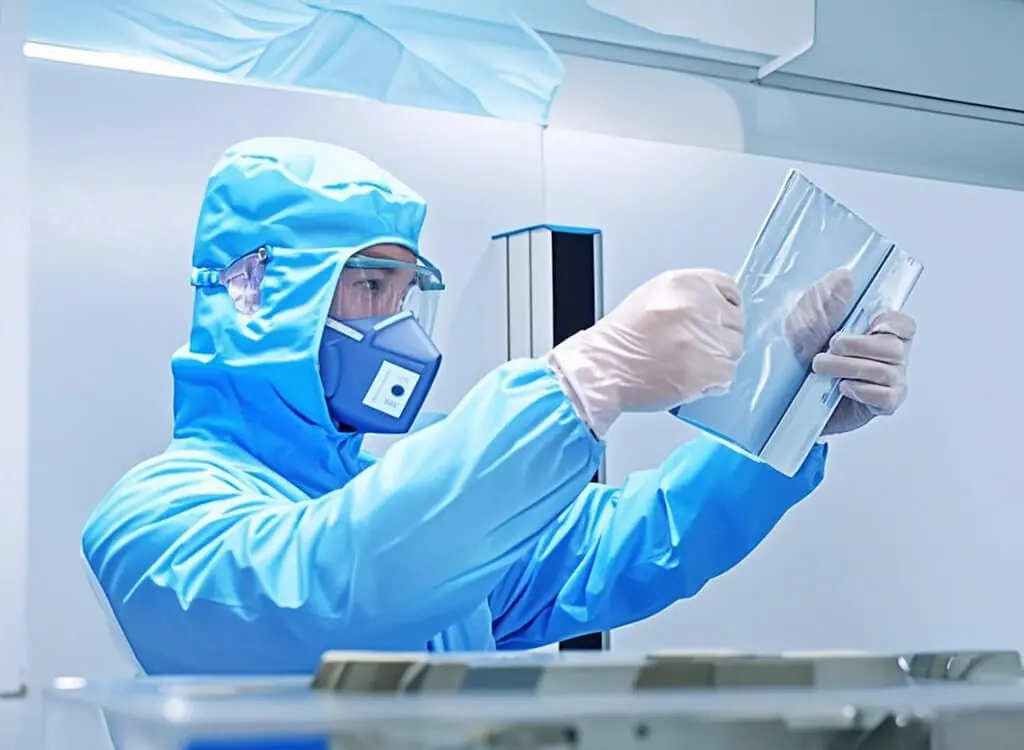
This guide explains the documents, photos and written details wholesale buyers should request before choosing a PPF factory or private-label partner. It is written for importers, distributors, installation chains and automotive film brands that need repeatable supply rather than a one-time sample purchase.
Why PPF supplier verification documents matter
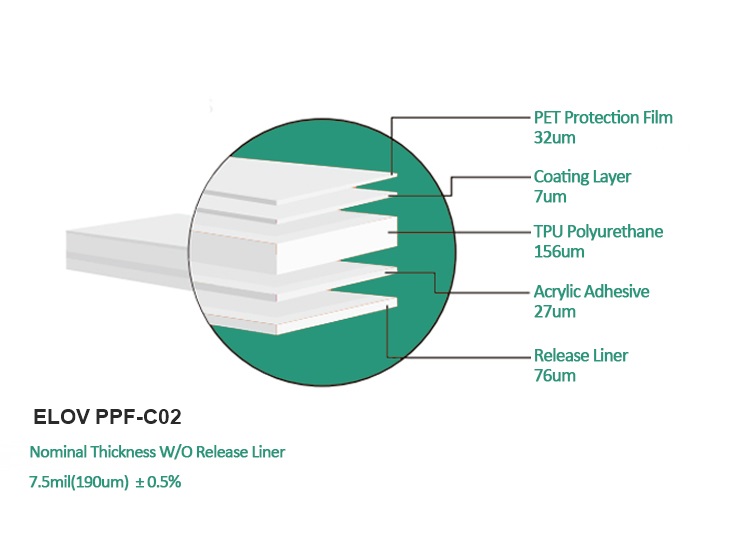
PPF is a technical product. The buyer is not only purchasing a roll of transparent or colored TPU film; they are also depending on adhesive stability, coating performance, optical clarity, color consistency, roll packaging, batch traceability and warranty support. If a supplier cannot show basic factory proof, the buyer carries the risk in front of installers, dealers and end customers.
A good verification file helps you compare suppliers using facts instead of sales language. It also gives your team material for internal approval, product launch planning and customer education. For example, if you are building a clear PPF line, the verification file should connect the model data on the Clear PPF specifications page with production capacity, QC records and warranty terms. If you are adding colored film, it should connect color selection with the Color PPF specifications page and real application photos.
1. Factory identity and production scope
Start with basic identity documents and public factory facts. Ask for the legal company name, factory address, establishment year, business scope and whether the factory owns or rents the main production site. For wholesale buyers, the most useful data is not a vague statement such as “large factory”; it is a clear summary of total area, production area and which processes are handled in-house.
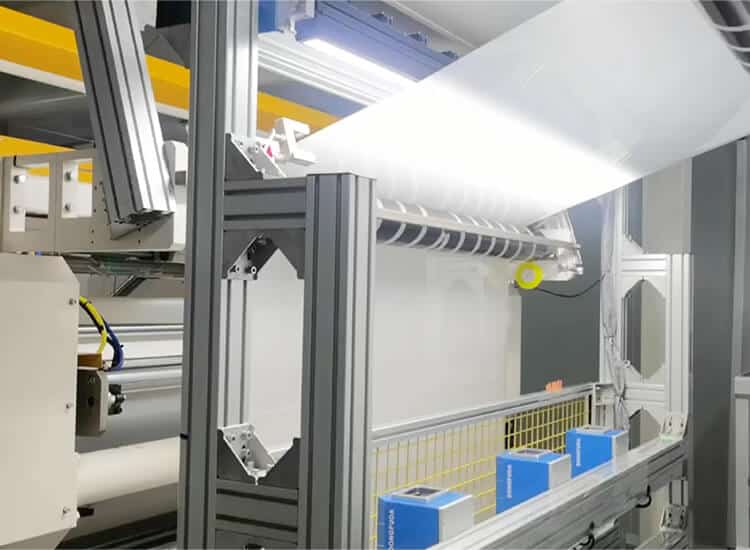
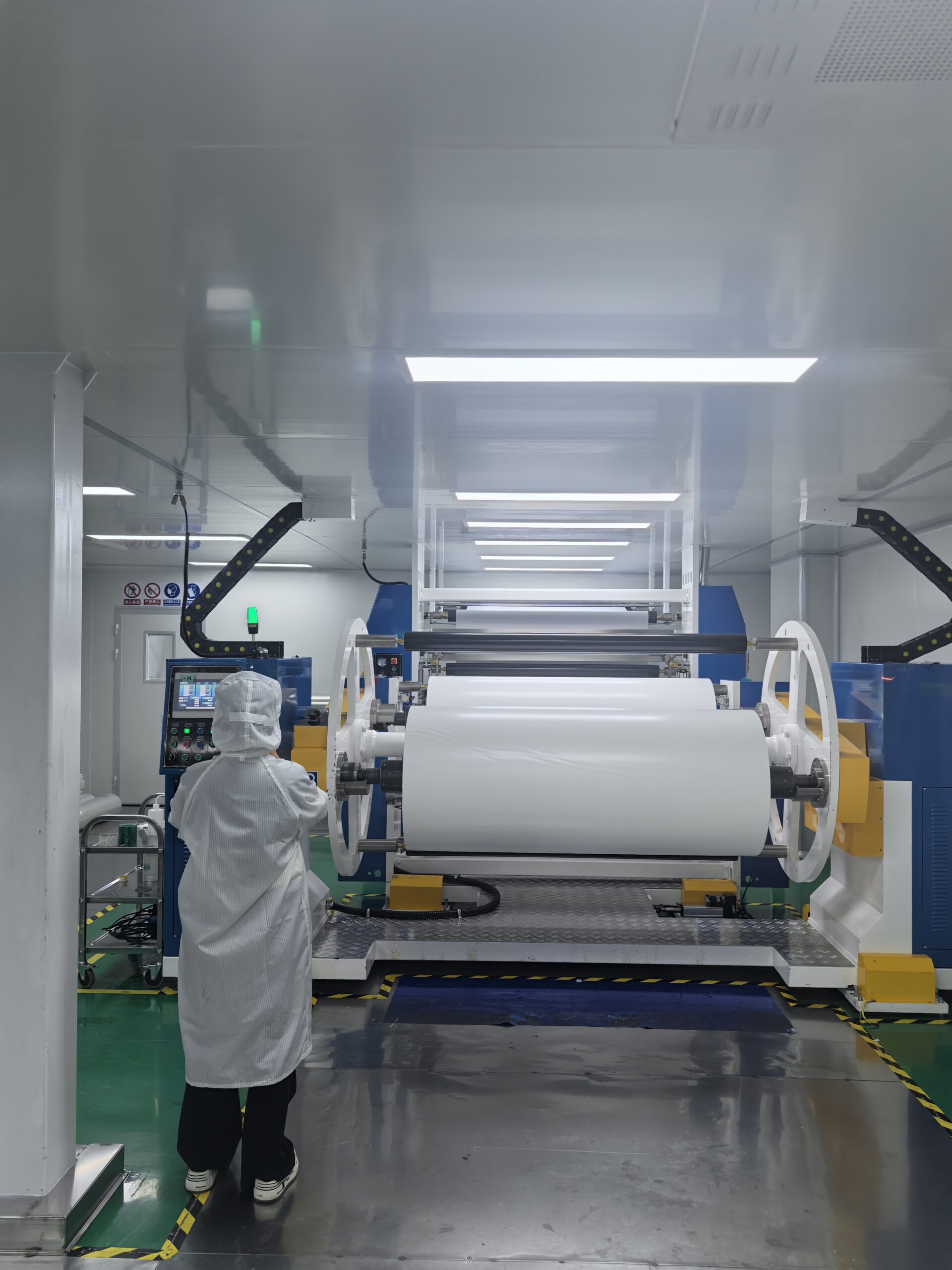
For ELOV, the public factory facts are: 96,000 square meters total factory area, 73,000 square meters production area and 10 PPF-related production and processing lines. Those lines include coating, laminating, slitting and packaging processes. Buyers can review this information on the PPF factory capabilities page before requesting additional proof for a specific project.
2. Capacity and inventory proof
Capacity claims should be practical. A supplier may have design capacity, but wholesale buyers need stable monthly capacity and regular stock planning. Ask the supplier to separate clear PPF, matte PPF, color PPF, window film and other product lines instead of giving one combined number.
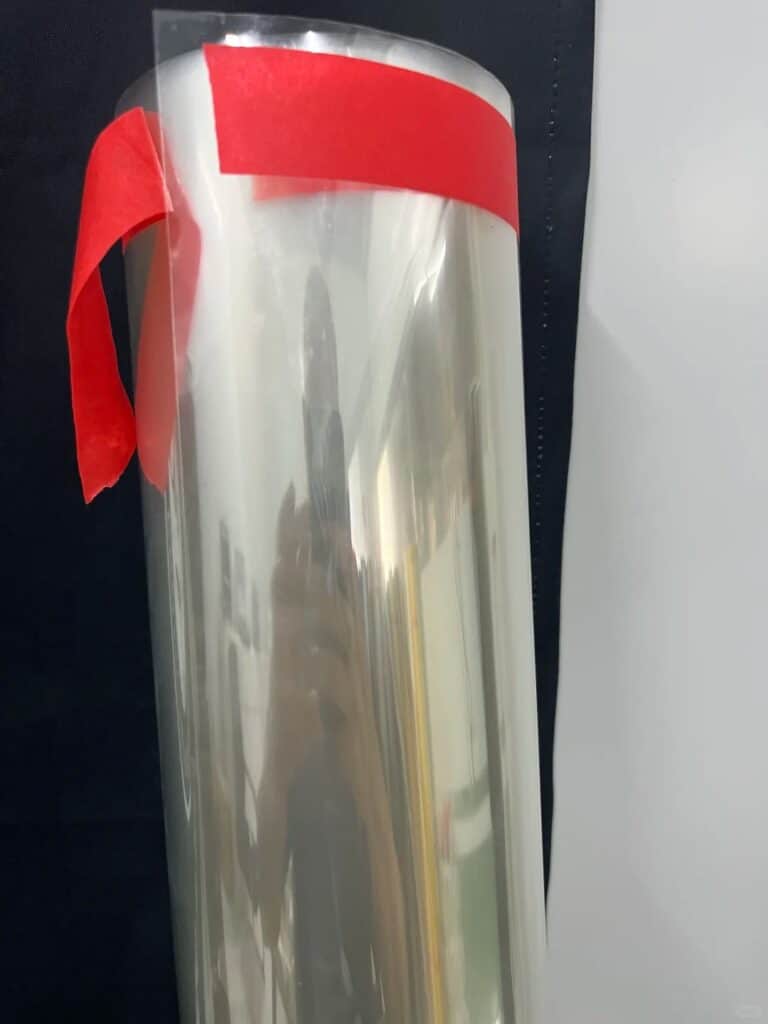
Useful capacity proof includes production line photos, production scheduling explanation, inventory photos, stock model lists and realistic lead time rules. ELOV’s current public data states stable monthly capacity of 50,000 rolls for clear PPF, 10,000 rolls for matte PPF, 5,000 rolls for color PPF and 50,000 rolls for window film. Regular inventory includes clear PPF, matte PPF, color PPF and window film, which helps distributors plan samples, test orders and repeat stock orders more confidently.
3. QC records and batch traceability
Quality control is where many PPF supplier comparisons become more serious. A supplier should be able to explain how raw materials are inspected, how coating and adhesive layers are checked, how thickness and appearance are controlled, how finished rolls are sampled and how batches are traced after shipment.
Ask whether QC records are connected to batch numbers, roll labels, carton labels or production dates. If your business sells under a private label, batch traceability is especially important because warranty questions may arrive months after installation. The article PPF Batch Traceability Guide for Wholesale Buyers explains how distributors can use batch data after the order arrives.
4. Certificates, test reports and warranty documents
Certificates should be separated into three groups: company system certificates, product test reports and material supplier documents. Mixing these together can create confusion. A system certificate such as ISO 9001 does not replace a product performance report, and a material supplier statement does not replace your own sample test.
For PPF buyers, the verification file should include certificate names, issuing bodies, validity status and whether the supplier allows public use of certificate images or numbers. ELOV’s available documents include ISO 9001, ISO 45001, ISO 14001, RoHS, IATF 16949 and product test reports. Buyers should also request written warranty rules. ELOV’s public warranty positioning is 5-10 years for clear PPF, 10 years for matte PPF, 5 years for color PPF, 2 years for vinyl wrap and 2-5 years for window film, with warranty starting from installation date.
5. MOQ, samples and lead time terms
Many problems happen because MOQ and lead time are not written clearly. A buyer may assume sample MOQ is flexible, while the supplier may treat private-label packaging as a different order type. Your verification file should record sample MOQ, standard order MOQ by product type, OEM packaging MOQ, private-label MOQ, whether mixed models can be combined and when the lead time countdown starts.
ELOV’s public ordering terms are built for wholesale planning: sample MOQ starts from 1 roll, clear PPF standard orders from 20 rolls, matte PPF from 20 rolls, color PPF from 20 rolls, OEM packaging from 100 rolls and private-label custom orders from 100 rolls. Mixed models can be combined. Lead time starts from payment, with samples usually prepared in 1-2 working days, in-stock orders in 2-3 working days, regular production around 7 working days, OEM packaging around 10 working days and custom products around 15-20 working days. Buyers can compare these terms with the PPF sample MOQ and ordering guide.
6. OEM and private-label packaging proof
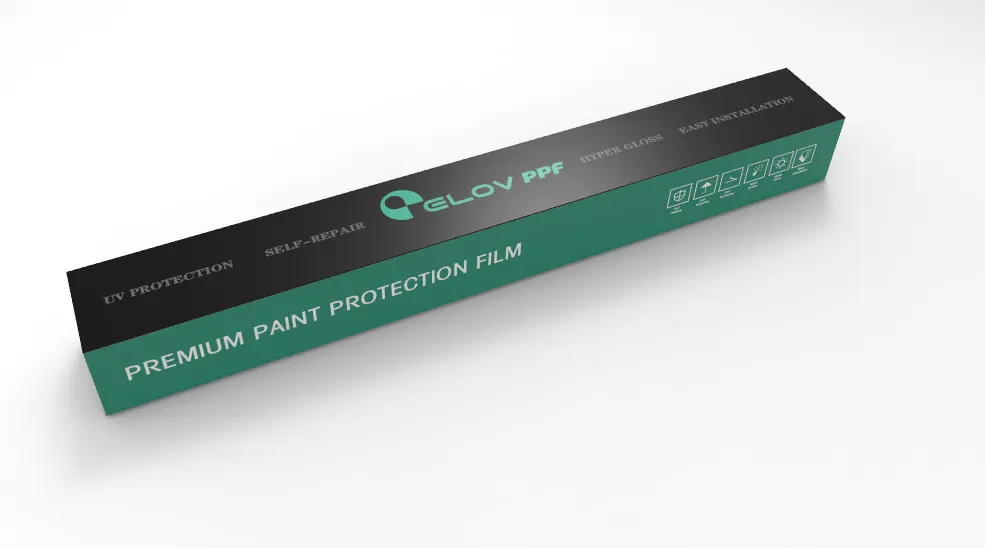
If your goal is to launch your own PPF brand, packaging proof should be part of the supplier verification file. Ask for examples of custom boxes, inner bags, backing liner logos, carton labels and sample approval workflow. Confirm which parts are produced in-house and which parts are outsourced. This matters because packaging design, printing and approval can affect lead time even when film rolls are already in stock.
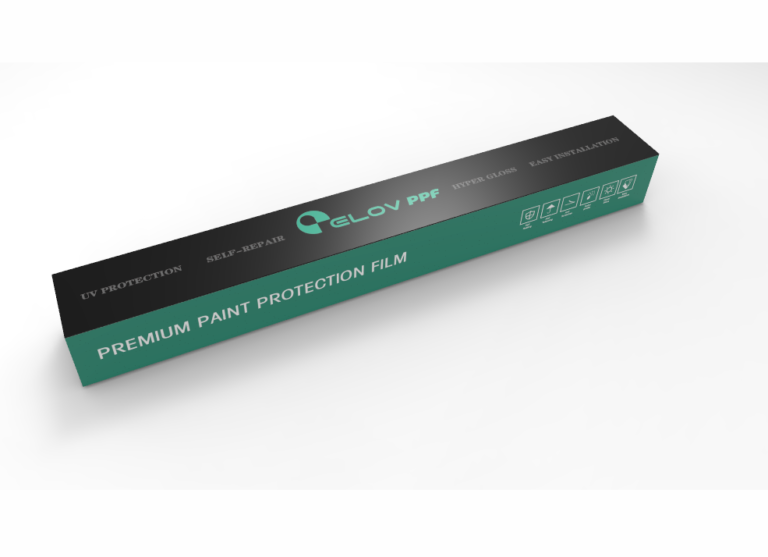
ELOV supports custom brand packaging boxes, inner packaging bags and PPF backing-logo customization. Buyers can review the OEM PPF packaging page and prepare logo files, model names, color names, carton label rules and monthly demand estimates before requesting a quote.
Recommended supplier verification checklist
- Legal company name, factory address and establishment year.
- Total factory area, production area and in-house process list.
- Stable monthly capacity by product type, not only total annual output.
- Regular inventory by model or product category.
- Sample MOQ, standard MOQ, OEM MOQ and private-label MOQ.
- Lead time rules and the exact starting point for production timing.
- QC workflow, test equipment, records and batch traceability method.
- Valid certificates, product test reports and warranty documents.
- OEM packaging examples, design approval process and carton label rules.
- Internal links to product specifications, model comparison and contact/RFQ pages for your sales team.
FAQ
What documents should I request before choosing a PPF supplier?
Request company identity information, factory facts, production process details, stable monthly capacity, QC workflow, batch traceability method, valid certificates, product test reports, MOQ terms, lead time rules and warranty documents.
Is a factory certificate enough to prove PPF quality?
No. Certificates help verify management systems or compliance, but buyers should also check product test reports, sample testing results, QC records and real installation feedback before bulk orders.
Why should MOQ and lead time be included in the verification file?
MOQ and lead time affect launch planning, cash flow and customer delivery promises. Buyers should record separate terms for samples, standard rolls, color PPF, OEM packaging and custom private-label orders.
How can buyers verify OEM PPF packaging support?
Ask for packaging examples, box dimensions, inner bag options, backing-logo samples, carton label rules, design approval steps and the MOQ for private-label packaging.
How do I request ELOV PPF supplier verification documents?
Send your target product type, model or color range, expected quantity, market, packaging needs and verification document requirements through the ELOV contact page. The team can confirm sample, MOQ, lead time and available public proof materials.