How to Choose the First 20 Color PPF SKUs for Your Market
Many distributors like the idea of color PPF, but the first inventory decision can feel difficult. A large color catalog is exciting, yet ordering too many colors too early can create slow stock, confusing sales conversations and unnecessary cash pressure. A better approach is to build a focused first group of color PPF SKUs that covers the main customer styles in your market.
This guide explains how wholesale buyers, installer chains and private label automotive film distributors can choose the first 20 color PPF SKUs with lower inventory risk and stronger sales logic.
Start With Market Positioning, Not Color Names
The first mistake is choosing colors only because they look attractive in a catalog. A distributor should first decide how color PPF will be positioned in the local market. Will it be sold as a premium restyling product, a protection upgrade, an installer shop display product or a private label color-change line?
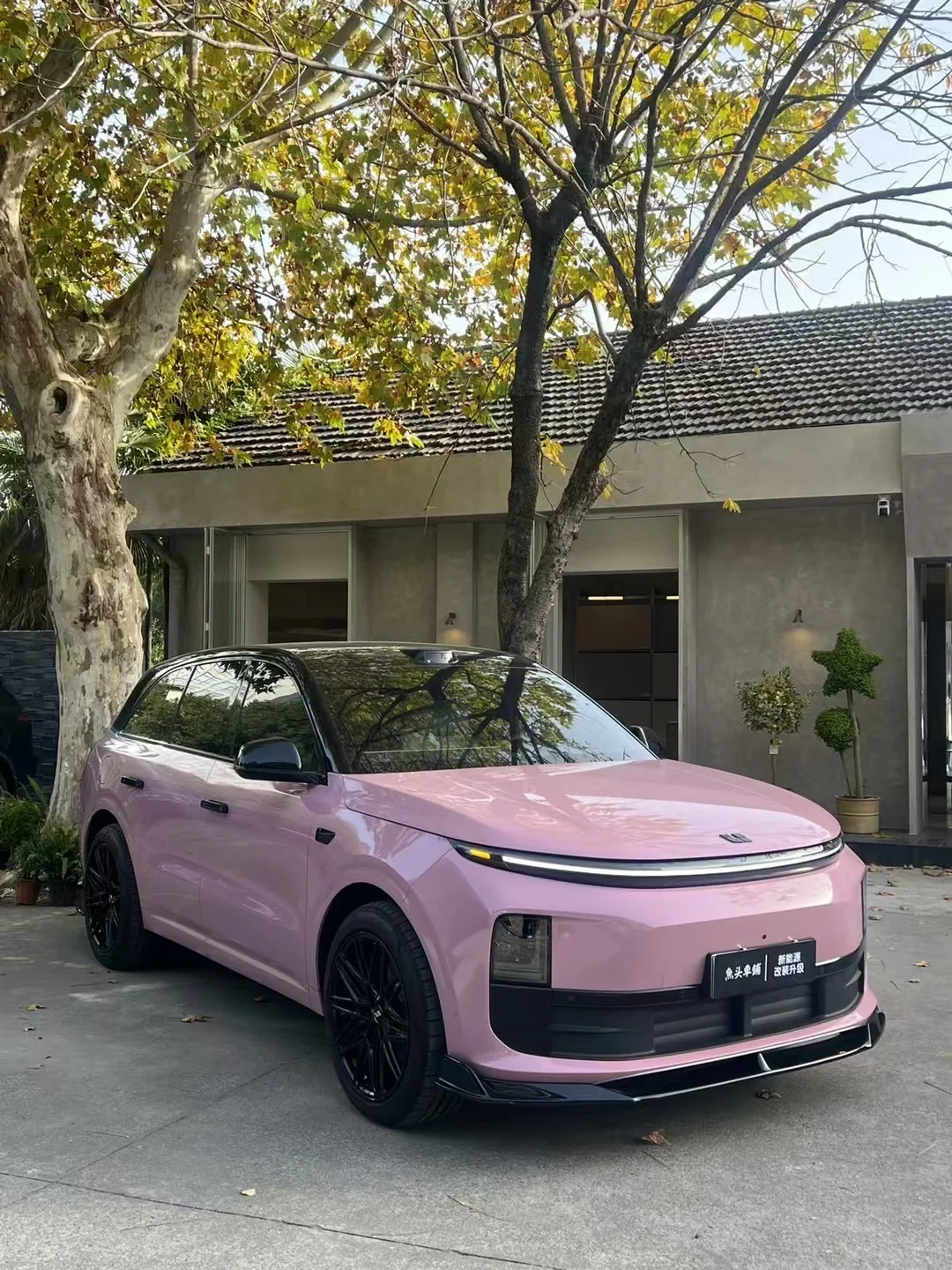
If your market is conservative, the first SKU list should include more black, grey, white, silver and subtle premium colors. If your customer base includes sports cars, tuning shops and social media-driven buyers, you can include more red, blue, green, orange and special-effect colors. The best first 20 SKUs are not the most dramatic colors; they are the colors most likely to create repeat orders.
Use Color Families to Avoid Random Inventory
A practical first SKU list should cover color families, not just individual favorites. This keeps the product line easy to explain and helps sales teams guide customers faster. A balanced first list may include:
- 3 to 4 black or dark colors for safe demand.
- 3 to 4 grey, silver or white colors for premium daily vehicles.
- 2 red or wine colors for sporty customers.
- 2 blue colors for visual showroom interest.
- 2 green colors for performance or luxury styling.
- 2 soft premium colors such as beige, tea, rose or champagne tones.
- 2 to 3 bold or special-effect colors for display and promotion.
Use the Color PPF collection, Color PPF color options and Color PPF specifications pages to compare model codes and finish types before making the first inventory plan.
Choose Safe Colors First
Safe colors are not boring. They create turnover. Black, grey, silver, white and soft neutral colors usually fit more vehicle types and more customer personalities. These colors are also easier for installers to recommend because they feel premium without being too risky.
Soft colors such as PPF-CP001 Oolong Milk Tea Powder can work well when a market wants a refined restyling effect. They are easier to show to customers who want something different but not aggressive. For a first 20 SKU list, these practical colors are often more important than extreme colors.
Add Visual Colors for Showroom Pull
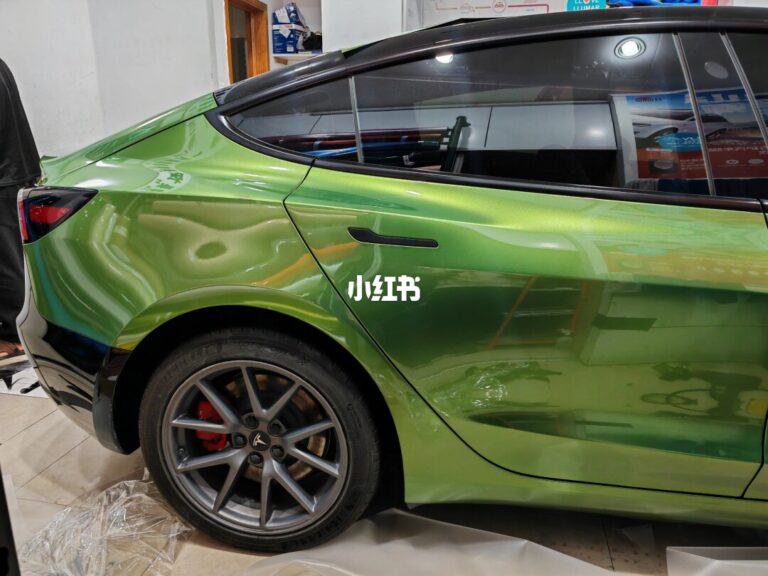
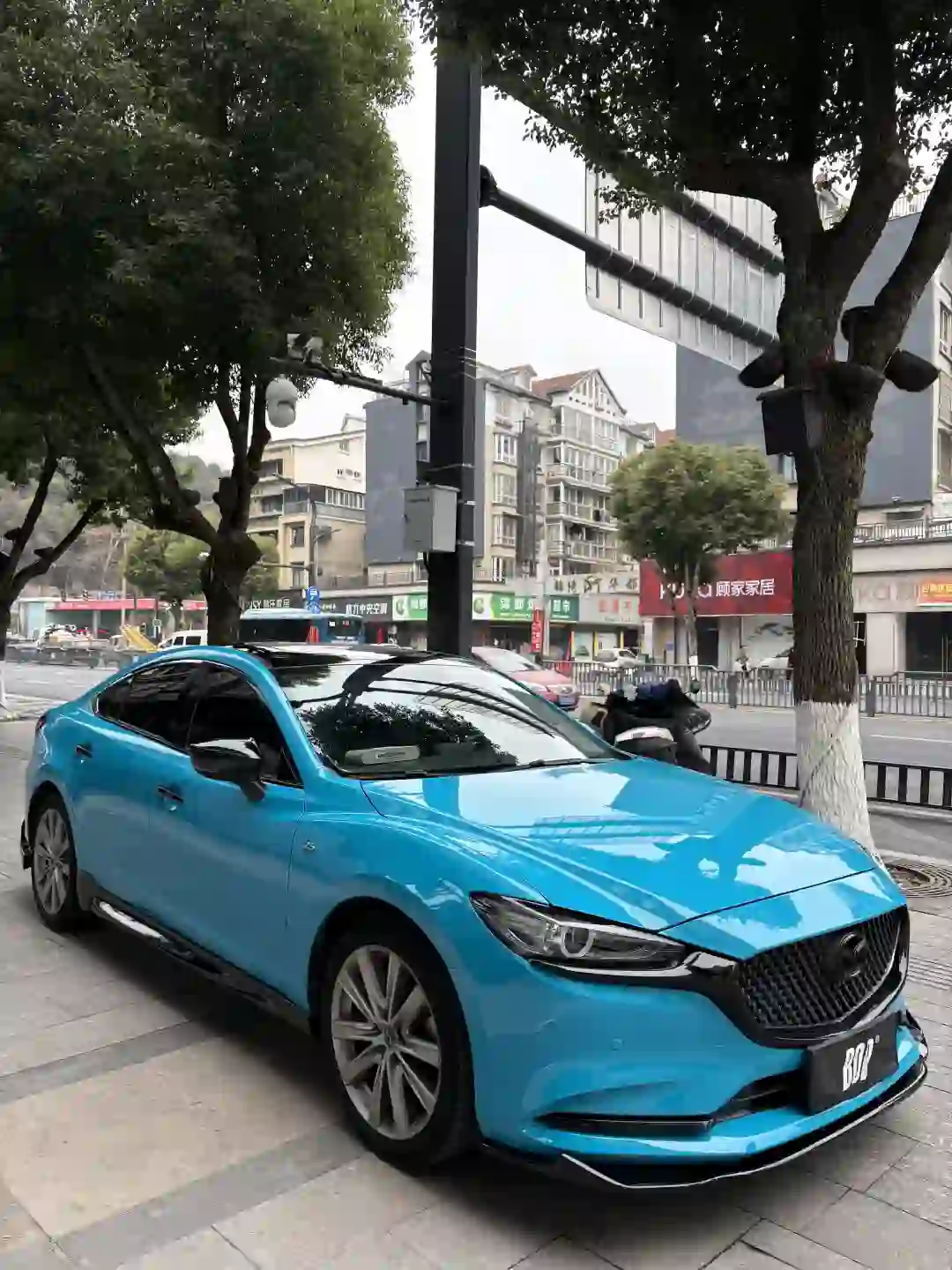
A distributor also needs colors that attract attention. Blue, red, green and orange application photos can make a sample board more exciting and help installers start conversations with walk-in customers. These colors may not always sell in the highest volume, but they support display, marketing and social media visibility.
For example, PPF-CP170 Miami Blue gives a bright, sporty impression that can support a showroom or online campaign. The key is balance. Choose enough visual colors to create interest, but not so many that inventory becomes scattered.
Limit Specialty Colors Until Demand Is Proven
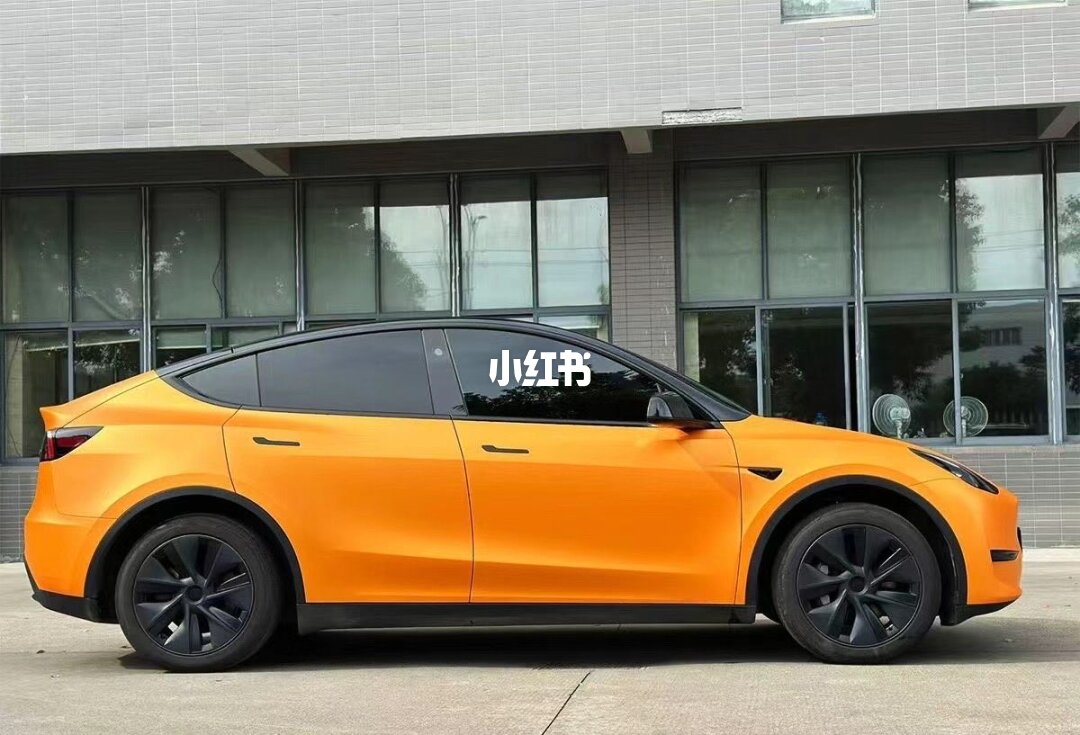
Special-effect colors can be powerful, but they should be introduced carefully. Matte, metallic, color-shift and bold colors can make a product line look advanced, yet they may move slowly if the dealer network is not ready to sell them. For the first 20 SKUs, choose only a few specialty colors that have strong photo appeal and clear sales use.
PPF-CP253 Matte Shining Orange is the type of bold color that can support a display car, promotion or restyling shop conversation. It should be treated as a visual marketing SKU rather than a basic inventory SKU.
Use Application Photos Before Ordering Stock
Application photos help distributors reduce guesswork. A color that looks similar on a small swatch may look very different on a full vehicle. Before ordering stock, compare real vehicle photos, product roll images and sample board results. This gives buyers a better sense of which colors can create local demand.
The guide on Color PPF application photos for wholesale buyers explains how photos can support dealer training, product pages and sales conversations. For first SKU planning, photos are especially useful because they help avoid emotional purchasing.
Connect SKU Planning With Sample Boards
The first 20 SKUs should become the backbone of your sample board. Do not make the sample board too large at the beginning. A focused board with carefully selected color families is easier for customers to understand and easier for salespeople to explain.
Use the Color PPF sample board guide to organize colors by family, finish and buyer intent. If a color receives repeated interest from installers and customers, then it can move from sample board to stock roll.
Recommended First 20 SKU Planning Framework
Every market is different, but this structure works well for many new color PPF distributors:
- 8 safe daily colors: black, grey, silver, white and neutral premium tones.
- 4 sporty colors: red, blue, green and orange.
- 4 premium soft colors: champagne, tea, beige, rose or muted luxury colors.
- 2 matte or satin finishes for premium positioning.
- 2 special-effect colors for display and marketing.
After the first sample and dealer feedback cycle, keep the colors with real demand and replace slow-interest colors before placing larger orders. Review PPF sample order checklist and PPF sample and MOQ ordering before scaling from samples to stock.
FAQ
How many color PPF SKUs should a new distributor start with?
Many new distributors can start with around 20 focused SKUs. This is enough to cover key color families without creating too much inventory pressure.
Should the first color PPF SKUs be bright or safe colors?
The first SKU list should include both, but safe colors should usually take the largest share because they fit more vehicles and create more repeat demand.
How can application photos help SKU selection?
Application photos show how the color looks on a real vehicle, helping buyers compare color appeal before ordering samples or inventory.
When should a distributor add more color PPF SKUs?
Add more SKUs after installer feedback, sample board interest and customer requests show repeat demand. Avoid expanding only because the catalog is large.
Final Thoughts
The first 20 color PPF SKUs should be a business decision, not a random color list. Start with color families, protect cash flow with safe colors, add visual colors for marketing and use application photos before ordering deeper stock. To plan a focused ELOV color PPF product line for your market, review the Color PPF collection or contact ELOV PPF for sample and wholesale support.