Window Tint Film Wholesale Buyer Checklist: How to Compare Rolls Before Bulk Orders
Window tint film can look like a simple product from the outside: choose a shade, buy rolls, and sell them to installers. In wholesale reality, the buying decision is more technical. A distributor needs film that matches local regulations, installer habits, vehicle types, price levels and after-sales expectations. A poor first purchase can create slow inventory, difficult installations and inconsistent customer feedback.
This checklist is written for automotive film distributors, importers, detailing supply companies and private label buyers comparing window tint film rolls before bulk orders. It focuses on the checks that matter before a purchase order: film type, VLT, heat rejection, optical clarity, adhesive, shrink behavior, MOQ, lead time and OEM packaging.
Start with the buyer role, not only the shade
The first question is not simply whether a market wants dark or light tint. A wholesale buyer should define who will install the film and how the product will be sold. A retail-focused installer may want a small set of proven VLT options with strong heat rejection claims. A distributor supplying many shops may need a wider range, stable carton labeling and predictable repeat stock. A private label buyer may care more about packaging consistency, sample approval and brand presentation.
For ELOV, the practical buying path is to connect product data with business use. If the buyer wants fast stock movement, the first order should focus on common VLT levels and proven product families. If the buyer is building a brand, the product also needs clean packaging, consistent labels, sample boards and clear reorder codes.
Compare film type and performance claims carefully
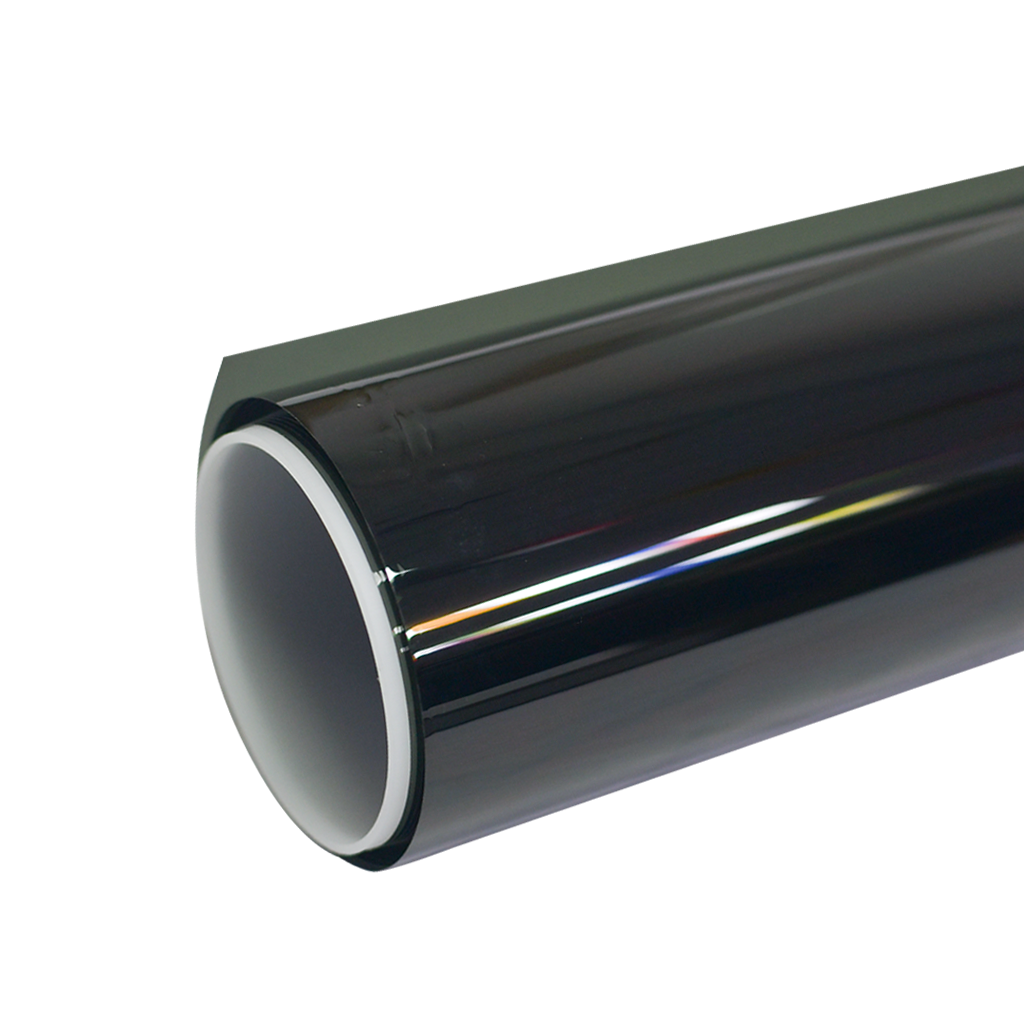
Window film buyers often compare dyed film, carbon film, ceramic film, metallic film and specialty automotive films. Each type can be positioned differently in the market. The important point is to avoid comparing marketing names only. Ask for the actual performance data, the tested VLT range, heat rejection indicators, UV blocking, optical clarity and installation feedback.
A product may look strong on a single data point but still fail the wholesale test if it is difficult to shrink, unstable at the edge, visually hazy or inconsistent from roll to roll. Before a distributor scales an order, samples should be installed on glass, observed in outdoor light and checked by installers who handle real customer work.
Check VLT range against the target market
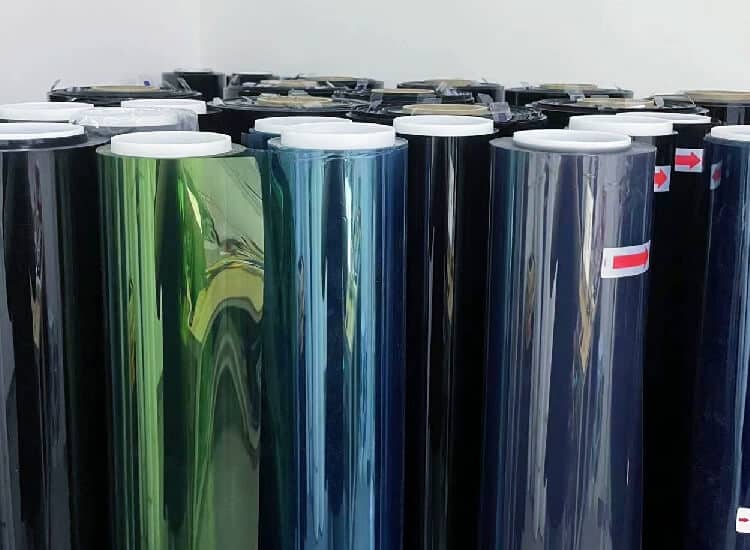
VLT, or visible light transmission, is one of the most important selection points for window tint film wholesale. Different markets have different customer preferences and legal limits. Some buyers need light front-side options, darker rear-side options and one or two premium heat-rejection options. Others sell mostly to styling-focused customers and need a stronger visual range.
Do not build the first inventory only from personal preference. Use search demand, installer feedback and competitor shelves to decide which VLT levels deserve stock. A practical first order usually includes a small set of fast-moving shades, then adds wider options after receiving quote requests and sample feedback.
Evaluate optical clarity and interior comfort
Customers notice window film quality while driving. Haze, distortion, uneven color and weak visibility can damage a distributor’s reputation quickly. Wholesale buyers should test film on side glass and curved rear glass, not only on a flat sample board. The film should look clean from inside the vehicle and consistent from the outside.
Heat rejection is also part of comfort. When comparing ceramic or higher-performance films, ask for data that helps sales teams explain the value. Installers need simple selling points, but buyers should keep the technical file organized so claims can be supported during distributor onboarding and customer training.
Test adhesive feel, shrink behavior and roll consistency
A distributor does not install every roll personally, but installation feedback decides reorder volume. The film should be comfortable to handle, reposition and squeegee. It should shrink predictably on curved glass and should not create avoidable edge issues when installed by trained technicians.
Ask installers to test sample rolls before a large purchase. Their feedback should include shrink response, adhesive bite, contamination sensitivity, release liner feel, edge finish, clarity after drying and overall time required per vehicle. This turns a subjective product choice into a repeatable buying decision.
Plan MOQ and inventory by reorder speed
MOQ is not only a supplier rule. It affects how quickly a buyer can test the market. ELOV factory data supports window film monthly capacity of 50,000 rolls and stock planning for standard products, but buyers should still organize the first order around actual demand. Common shades can be stocked deeper, while uncertain shades should stay in smaller quantities until local installers confirm movement.
For mixed product programs, buyers should also consider how window tint film connects with clear PPF, Color PPF, windshield protection film and other automotive protection products. A distributor can often increase average order value by building a coherent product set instead of selling each film category separately.
Confirm OEM packaging before production
For private label buyers, packaging is part of the product. Window tint film orders should define box design, inner packaging, roll labels, carton marks, product code rules, VLT labels and any market-specific sales information before production starts. This reduces warehouse confusion and helps sales teams build a more professional product line.
ELOV supports OEM and ODM packaging for automotive film buyers. For a first window film order, prepare your target logo, box style, product naming rules, language requirements and carton label details. If the brand is still being tested, it is better to approve samples first and then move to larger private label batches.
Use a simple RFQ structure
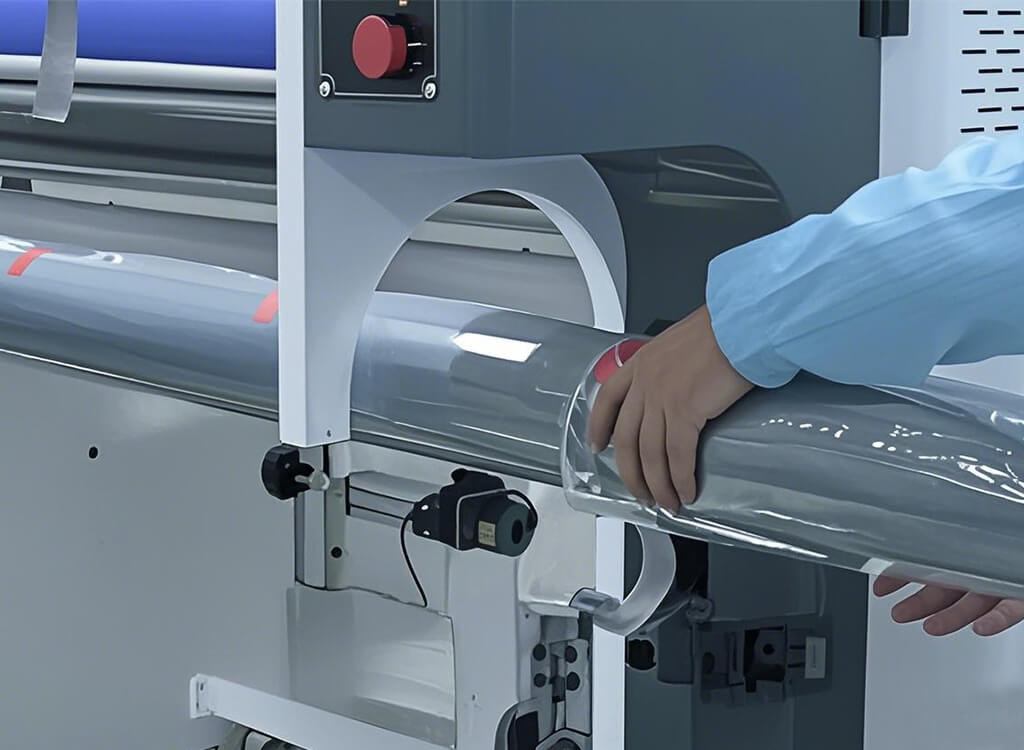
A clear RFQ saves time for both buyer and factory. Include the target market, buyer type, required film category, VLT range, roll size, estimated monthly demand, sample requirement, packaging needs and target delivery schedule. If you already sell PPF, include your current product mix so the supplier can recommend a better automotive film combination.
For faster quoting, buyers can use the ELOV inquiry page and provide the expected first order quantity, target VLT options and OEM packaging requirements. If your team is still choosing products, ask for samples first rather than forcing a full container decision too early.
Final recommendation for wholesale buyers
The best window tint film wholesale order is not the biggest first order. It is the order that can be tested, explained, installed and reordered with confidence. Start with proven VLT options, verify optical clarity and installer handling, align MOQ with inventory risk, and confirm packaging before production. Once the first sample feedback and local demand are clear, a distributor can scale volume with better control.
To compare automotive film categories, review ELOV’s window tint film page, the sample and MOQ guide, and the factory capabilities page before sending an RFQ.