Matte, Satin or Glossy Color PPF: How Wholesale Buyers Choose the Right Finish Mix
Color PPF is no longer only a style add-on for installation shops. For many distributors, it is becoming a separate product line with its own sample boards, launch colors, margin structure and reorder rhythm. The difficult part is not simply choosing more colors. The real decision is how to balance matte, satin, glossy and special effect finishes so the first wholesale order is attractive to installers without creating slow-moving inventory.
This guide is written for wholesale buyers, importers and PPF distributors who are building or refreshing a Color PPF range. The goal is to help you decide which finish types deserve stock, which colors should stay as samples first, and what technical details should be checked before a purchase order.
Why finish mix matters more than color count
A catalog with 300 color names looks impressive, but buyers do not make money from color count alone. They make money when installers can quickly match local demand, install the film without surprises, and reorder colors with confidence. Finish type affects all three points.
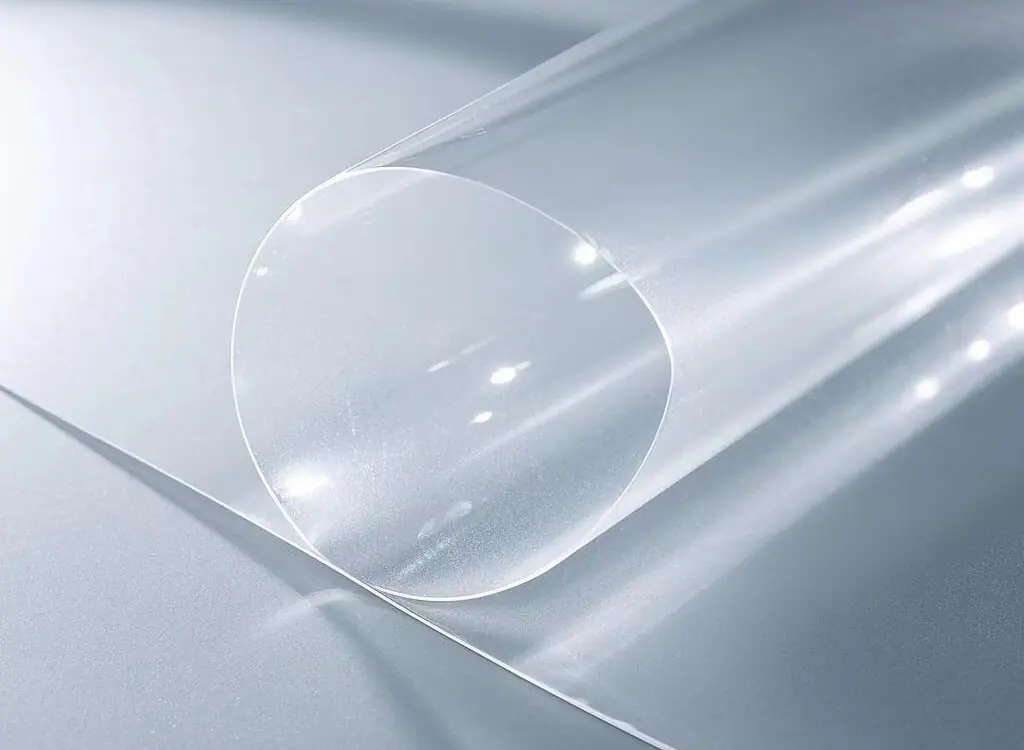
Glossy colors are usually easier for end customers to understand because they look closer to painted bodywork. Matte colors create a stronger restyling effect and are useful for premium builds, black roofs, hoods and full-body conversions. Satin colors sit between the two. They give a softer reflection than gloss while still feeling less flat than matte. Special effect colors, including liquid metallic, ghost chrome or color-shift styles, can help a dealer stand out, but they should usually be tested before deep inventory.
Glossy Color PPF: the safest base for first inventory
For a new distributor, glossy Color PPF is normally the simplest foundation. It fits customers who want paint-like color, high visual depth and protection in one film. Glossy black, white, silver, gray and selected blues or greens can serve as the first group of sample-board colors because they are easy for shops to demonstrate.
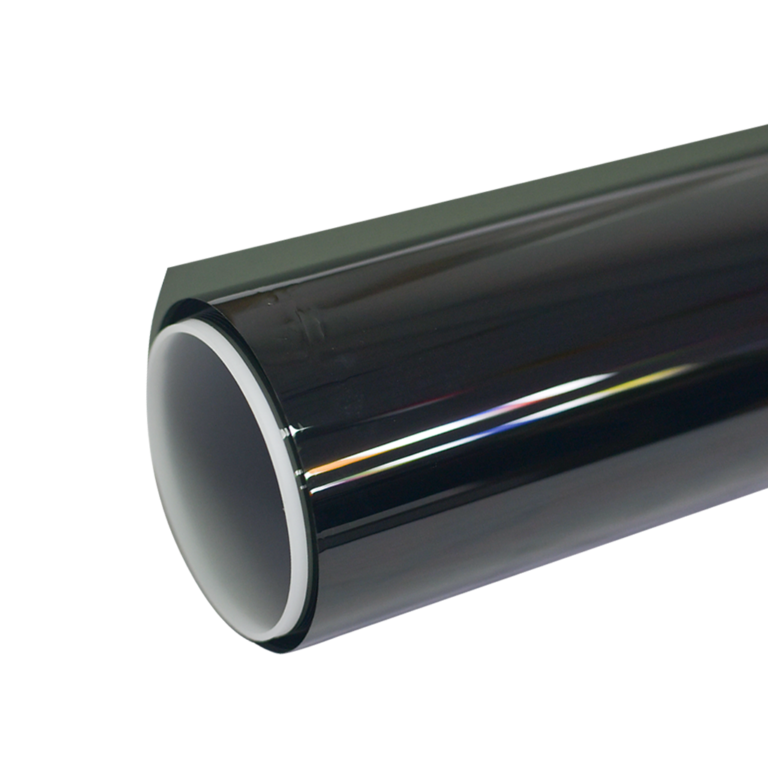
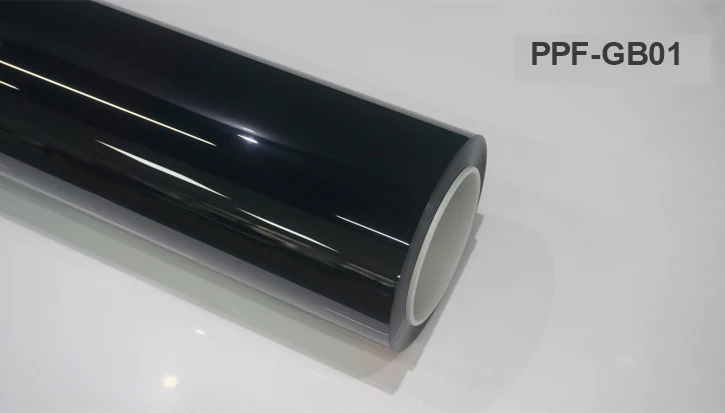
For example, PPF-GB01 Glossy Black is a practical anchor SKU. A black film is easy to explain, easy to compare with vinyl wrap, and useful for roof, pillar, mirror cap and full-car projects. When a buyer wants a conservative first purchase, glossy black and other neutral colors should normally appear before riskier fashion colors.
Matte Color PPF: stronger style, more sample testing
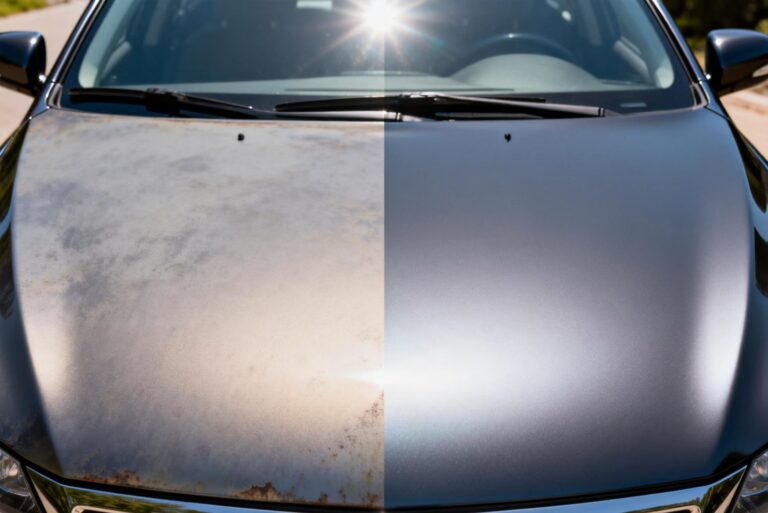
Matte Color PPF is valuable because it creates a clear visual difference from factory paint. It is also more sensitive to buyer expectations. A customer who chooses matte usually cares about reflection, surface uniformity and the way the color changes on curved panels. This is why matte colors should be evaluated with physical samples, application photos and installer feedback before large-volume stock.
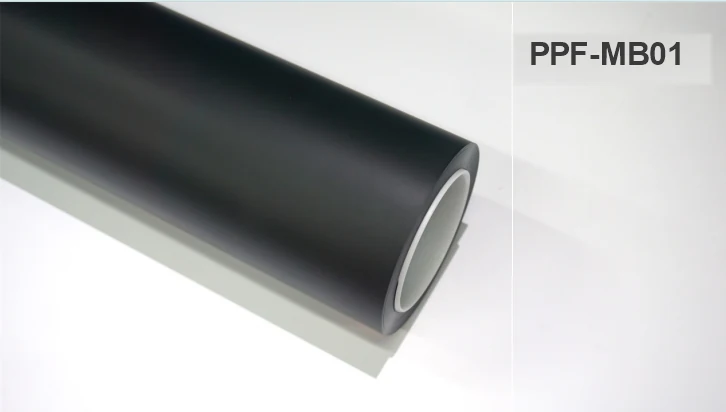
PPF-MB01 Matte Black is a good example of a matte SKU that can support both full-body styling and partial trim projects. Buyers should check whether the surface looks evenly low-gloss under sunlight and shop lighting, whether fingerprints are easy to clean, and whether the adhesive feel is comfortable during repositioning.
Satin Color PPF: the middle lane many dealers need
Satin colors are often easier to sell than very flat matte colors because they keep a controlled sheen. For shops serving mainstream premium vehicles, satin white, satin silver, satin gold, satin green and satin metallic colors can create a high-end look without feeling too extreme.
When comparing satin Color PPF, buyers should not judge from roll photos alone. Ask for real vehicle application images and confirm that the color stays consistent between flat panels and deep curves. Satin liquid metallic colors can look very different under direct sunlight, cloudy outdoor light and showroom lighting, so the sample process should include several lighting conditions.
Special effect colors: useful for marketing, risky for blind bulk orders
Special effect Color PPF can help a distributor attract attention online. Liquid metallic, ghost chrome, chameleon and color-shift finishes are useful for social media, display cars and installer showrooms. The risk is that these colors may have narrower demand in some markets. A smart buyer treats them as visibility SKUs first, then expands inventory only after receiving installation photos, quote requests and sample feedback.
A good rule is to separate your line into three layers: core colors for stable stock, seasonal colors for smaller batches, and special effect colors for sample-led selling. This keeps the catalog exciting while protecting cash flow.
Technical details to compare before choosing finishes
Finish is visual, but the purchase decision should still be technical. ELOV Color PPF pages use a consistent data structure so buyers can compare models more easily: Covestro aliphatic TPU, 7.5mil(190um) film thickness, Ashland Adhesive, Cashew Third Generation Self-Healing Coating, hydrophobic performance, 1.52 m x 15 m roll size and 5-year warranty for Color PPF.
Before a bulk order, compare each finish group using the same checklist: color stability, surface uniformity, adhesive feel, self-healing behavior, hydrophobic test, stretch behavior, edge performance, packaging, carton labeling and batch traceability. The Color PPF specifications page is a useful reference when you need to align technical data across many colors.
How to build a practical first finish mix
For a first purchase, do not try to stock every color equally. A better approach is to choose a core range, then support it with samples. For example, a distributor can start with glossy black, matte black, satin white, satin silver, matte gray, one or two greens, one red or purple, and a small number of special effect colors. This gives installers enough variety for customer demos without locking too much budget into untested colors.
MOQ also matters. ELOV supports Color PPF wholesale orders from 10 rolls, with samples available from 1 roll. OEM/ODM packaging can include custom boxes, inner bags and backing liner logo support. For a distributor, this means the finish mix can be planned around both stock risk and brand presentation, not only around color preference.
Questions to ask ELOV before confirming a Color PPF order
Which finish types are already proven in my target market?
Share your market, vehicle types and installer customer profile. Mature markets may support wider satin and special effect ranges, while newer markets may need a safer base of black, white, gray, silver and selected high-demand colors.
Can I review sample boards and application photos first?
Yes. Ask for sample rolls, color cards and real application images before scaling inventory. A finish that looks strong in a catalog should still be checked on actual vehicle panels.
Can packaging be prepared for private label sales?
Yes. ELOV supports private label Color PPF packaging, including custom box, inner bag and backing logo. This is especially useful when distributors want the same finish mix to appear as a complete local brand line.
Final recommendation
For wholesale buyers, the best Color PPF finish mix is not the biggest list. It is the most testable, explainable and reorderable list. Start with safe glossy and black finishes, add matte and satin options that installers can show easily, then use special effect colors to create showroom attention. Once sample feedback and early sales data are clear, the second order can expand into more adventurous colors with much lower risk.
To compare available colors, visit the Color PPF collection, review the technical specifications, or contact ELOV for samples, MOQ planning and OEM packaging details.