PPF Roll Receiving Inspection Checklist for Distributors
A PPF roll receiving inspection checklist helps distributors protect profit after a shipment arrives. Many quality disputes do not begin during installation. They begin when cartons are unloaded, stored without a clear record, or released to dealers before the buyer checks labels, roll condition and batch information. A simple receiving process can prevent wrong SKU shipments, damaged cartons, missing accessories and unclear warranty conversations.
For wholesale buyers, receiving inspection is the bridge between supplier QC and local sales control. The factory may finish coating, laminating, slitting and packing correctly, but the distributor still needs to confirm that the delivered goods match the purchase order before the rolls enter inventory. This guide gives importers, regional distributors and installer networks a practical checklist for checking PPF rolls after delivery.
1. Check Carton Quantity Before Opening Stock
The first step is basic but important: compare the delivered carton quantity with the purchase order, packing list and commercial invoice. Record the delivery date, carrier, number of cartons received and any visible damage before cartons are moved into the warehouse. If the shipment includes mixed models, separate cartons by product type before opening them.
This is especially useful for buyers ordering a mixed program of clear PPF, matte PPF, color PPF and windshield protection film. Mixed shipments are efficient, but they need clean receiving discipline so the warehouse does not confuse product categories, warranty terms or customer allocations.
2. Photograph Cartons And Labels Before Unpacking
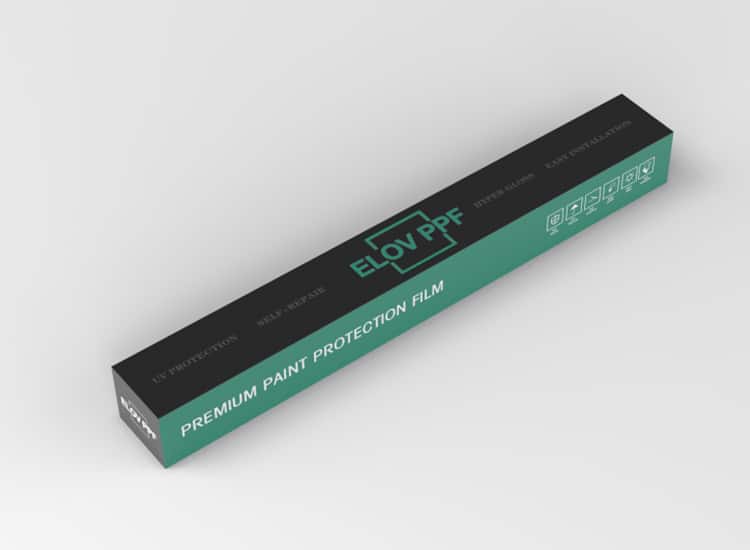
Take photos of each carton side, shipping mark, product label and any damage marks before unpacking. These photos are not only for claims. They also help the buyer build a traceable inventory record. If a dealer later reports a problem, the distributor can connect the roll to a shipment, carton and batch more quickly.
Good label data should include the product model or SKU, roll size, quantity, batch or production reference and basic product category. If the shipment is a private label order, also check whether the carton labels match your brand naming system. Buyers planning private label programs can review ELOV’s OEM PPF packaging support to align box, inner bag, backing logo and carton label information before production.
3. Inspect The Roll Edge, Core And Outer Layer
After opening a carton, check the roll core, edge alignment, outer wrapping and first visible film layer. The roll should not show crushed edges, heavy dents, water exposure, obvious dust contamination or deformation caused by pressure during transport. If one carton has visible damage, isolate that carton first instead of mixing it into normal stock.
For a distributor, roll condition affects both installation confidence and dealer trust. A roll that looks poorly handled can create unnecessary concern even if the film itself is usable. Record roll photos under neutral light and keep them with the receiving file. This makes communication with the supplier faster and more objective.
4. Match SKU Codes With Product Specifications
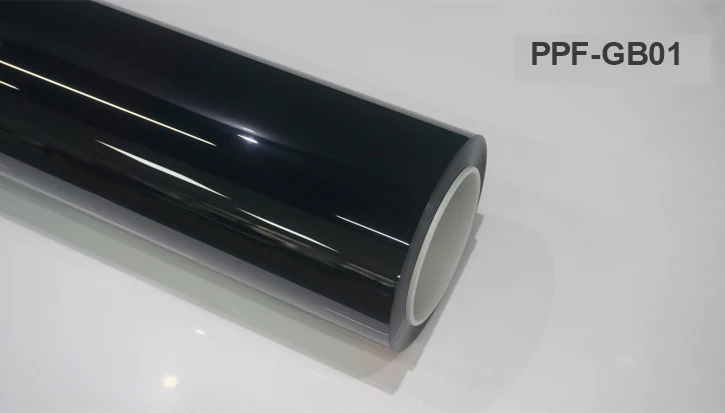
Every received SKU should be checked against the ordered specification. For clear PPF, confirm model, thickness, roll size and warranty range. For matte and color PPF, confirm surface effect and color name. For black color PPF, for example, glossy black and matte black should not be treated as interchangeable because installers and end customers expect a different finish.
ELOV standard color PPF data includes Covestro aliphatic TPU, 7.5mil thickness, Ashland adhesive, Cashew third generation self-healing coating, hydrophobic performance, 5-year warranty and 1.52m x 15m roll size. Buyers can compare SKU information with the color PPF specifications and the full color PPF collection before releasing rolls to dealers.
5. Run A Quick Sample Installation Check
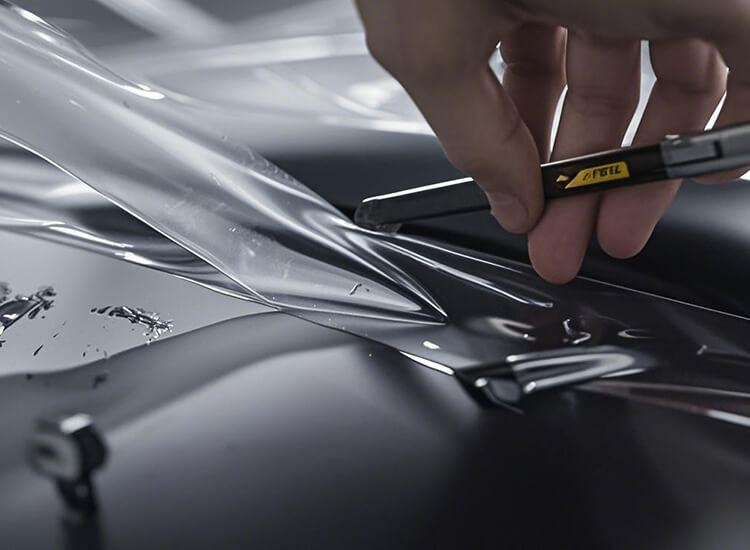
Receiving inspection should include a small practical test, especially for first orders, new models or new suppliers. Cut a small section from one roll in the batch and test it on a painted panel or common vehicle curve. Check initial tack, repositioning, stretch behavior, surface clarity, adhesive feel and whether the film recovers cleanly after installation pressure.
This quick check is not a full laboratory test, but it helps the distributor identify obvious shipment or storage issues before the product reaches paying customers. If the shipment includes several categories, test at least one roll from each important product group. For high-value dealer launches, record the test photos and installer comments in the same receiving file.
6. Control Storage Immediately After Inspection
Once rolls pass receiving inspection, move them into the correct storage area. PPF rolls should be stored away from direct sunlight, high humidity, sharp pressure and heat sources. Keep cartons upright or positioned according to the supplier’s packing guidance, and do not stack heavy goods on top of rolls. Poor storage after delivery can create problems that are later mistaken for factory defects.
A receiving checklist should therefore include warehouse location, storage date and responsible staff member. This is useful for distributors that hold stable inventory, sell to multiple installers, or rotate stock by model and batch. ELOV supports wholesale buyers with stable stock planning, including clear PPF, matte PPF, color PPF and window film programs, so local inventory discipline becomes part of long-term repeat order control.
7. Report Problems With Evidence, Not General Comments
If there is a problem, send the supplier a structured report. Include the order number, product model, roll quantity affected, carton label photos, roll label photos, batch number, delivery date, storage condition and clear images of the issue. Avoid vague comments such as “the roll is bad” without evidence. A precise report allows the supplier to trace production, packing and shipping records faster.
This also protects the buyer relationship. When both sides use product codes, batch records and photos, the conversation becomes practical rather than emotional. For buyers comparing supplier systems, ELOV’s PPF buyer resources, products page and contact page provide a clear path to request samples, technical data and order planning support.
8. Turn Receiving Inspection Into A Repeat Order Tool
The best distributors do not treat receiving inspection as paperwork. They use it to improve reorders. Over time, receiving records show which SKUs move fastest, which cartons need stronger labels, which models require more installer notes and which batches receive the fewest questions. That information can shape the next purchase order and reduce inventory risk.
For a growing PPF business, the receiving checklist becomes part of the operating system: supplier order, factory packing, freight arrival, warehouse control, dealer delivery and after-sales support all connect through the same product and batch information. That is how wholesale buyers turn a shipment into reliable local supply.
FAQ
What should distributors check when receiving PPF rolls?
Distributors should check carton condition, SKU labels, roll quantity, batch information, film surface, roll edge condition, packing accessories and a quick sample installation before releasing stock.
Should a distributor inspect every PPF roll?
For first orders and new suppliers, every roll should be visually checked. For repeat orders, buyers can combine full carton checks with sample roll inspection based on batch records and previous supplier performance.
How should receiving problems be reported to a PPF supplier?
Report issues with photos, carton labels, roll labels, batch numbers, order number, delivery date, storage condition and sample installation notes so the supplier can trace the shipment quickly.