PPF Factory Capacity and Lead Time: How Wholesale Buyers Plan Repeat Orders
PPF factory capacity and lead time are two of the most important checks for wholesale buyers who plan repeat orders. Price matters, but a low price is not enough if the supplier cannot keep stock, control production timing or support private label packaging when demand grows.
For distributors, installers and importers, the real question is practical: can the factory supply the right models, in the right volume, with consistent quality, at the time your market needs them?

Why Factory Capacity Matters More After the First Order
Many buyers focus heavily on the first sample or first container. That is understandable, but the real test begins after the first successful order. If your customers like the film, you need repeat supply. If a color becomes popular, you need faster restocking. If installers accept a clear PPF model, you need the same product quality in the next batch.
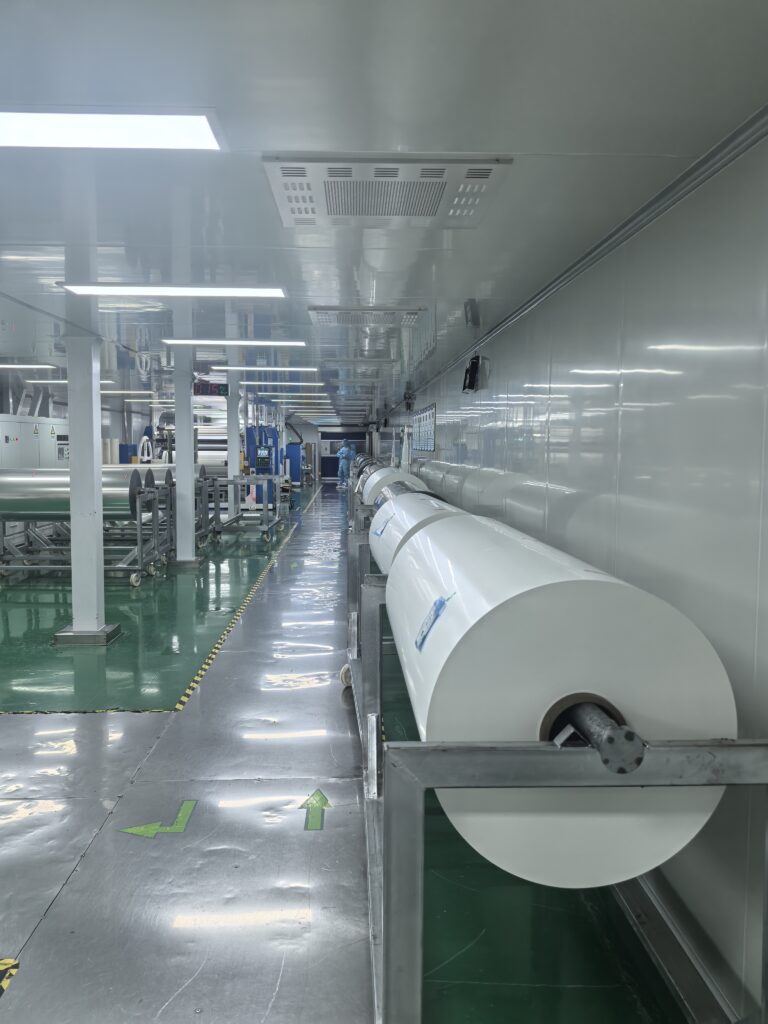
A supplier with weak capacity may handle one sample order but struggle with steady distributor demand. A stronger PPF factory should be able to explain its production lines, stable output, inventory policy, QC process and lead time rules clearly. Buyers can start with ELOV’s PPF factory capabilities page before comparing models and order plans.
Check the Difference Between Claimed Capacity and Stable Capacity
Capacity numbers can be confusing. Some suppliers describe design capacity, others describe stable monthly capacity. Wholesale buyers should ask which number is being quoted.
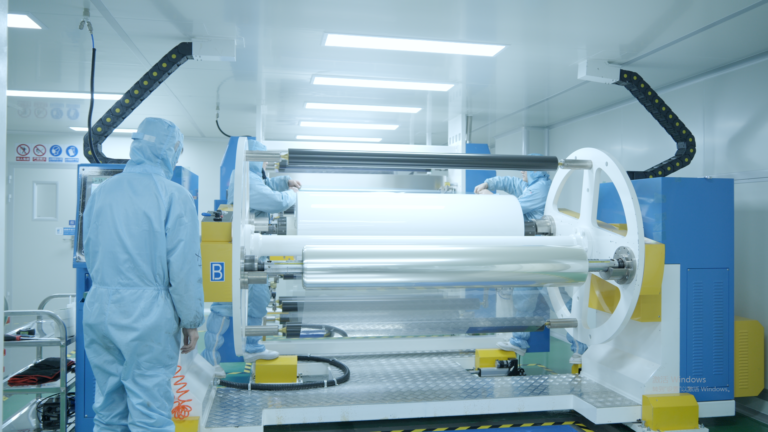
For ELOV PPF, the public factory facts are based on stable capacity: Clear PPF about 50,000 rolls per month, Matte PPF about 10,000 rolls per month, Color PPF about 5,000 rolls per month, and Window film about 50,000 rolls per month. The factory covers 96,000 m2 total area, including about 73,000 m2 production area, with 10 PPF-related production and processing lines.
Those lines include coating, laminating, slitting and packaging work handled in-house. This can reduce communication delays and improve batch consistency. Buyers should still request samples and confirm model specifications before scaling.
Regular Inventory Can Shorten Delivery Risk
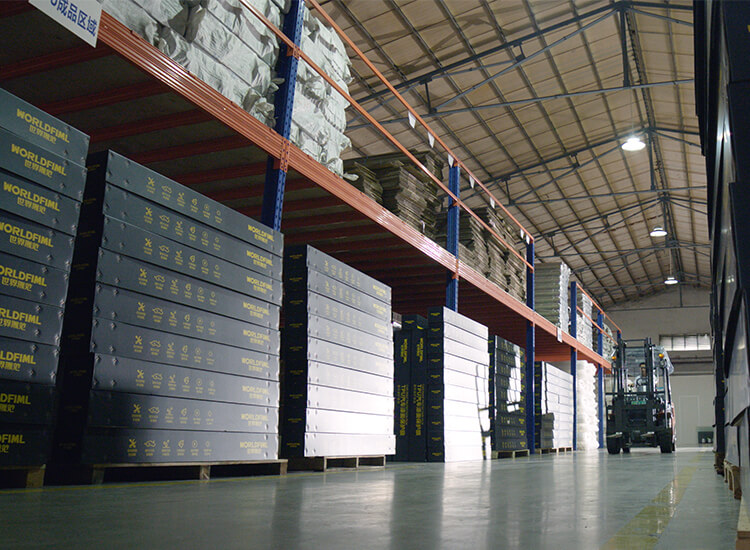
Lead time does not depend only on production capacity. It also depends on inventory. A factory with regular inventory can often ship standard models faster than a factory that starts every order from zero.
ELOV keeps regular stock for Clear PPF, Matte PPF, Color PPF and Window film. Public inventory guidance includes about 80,000 rolls of Clear PPF, about 10,000 rolls of Matte PPF, about 20,000 rolls of Color PPF and about 50,000 rolls of Window film. These numbers help buyers plan repeat orders, but final availability should still be confirmed before payment because fast-moving SKUs can change.
Match MOQ With Your Market Stage
MOQ should match the buyer’s stage. A new distributor needs testing flexibility, while a mature distributor needs reliable bulk supply and packaging control.
ELOV’s public MOQ structure is designed for both sample testing and wholesale supply. Sample orders can start from 1 roll. Standard Clear PPF orders start from 20 rolls, Matte PPF from 20 rolls, Color PPF from 10 rolls, OEM packaging from 100 rolls, and private-label custom orders from 100 rolls. Mixed models or colors can be supported for suitable orders.
Buyers can review the PPF sample and MOQ guide before building the first purchase plan. For product selection, compare the Clear PPF collection, Color PPF collection and Matte PPF collection.
Lead Time Should Be Counted From the Right Starting Point
One common mistake is asking for lead time without confirming when the clock starts. Does it start from inquiry, payment, artwork confirmation, sample approval or production order confirmation? If this is not clear, the buyer and supplier may have different expectations.
For ELOV, lead time starts from payment. Public lead time guidance is 1-2 working days for sample preparation, 2-3 working days for stock orders, about 7 working days for regular production orders, about 10 working days for OEM packaging orders, and about 15-20 working days for custom product orders.
For urgent orders, buyers should separate stock items from made-to-order items. Do not mix a time-sensitive standard order with an unfinished packaging design if you need the first shipment quickly.
OEM Packaging Adds a Separate Planning Layer
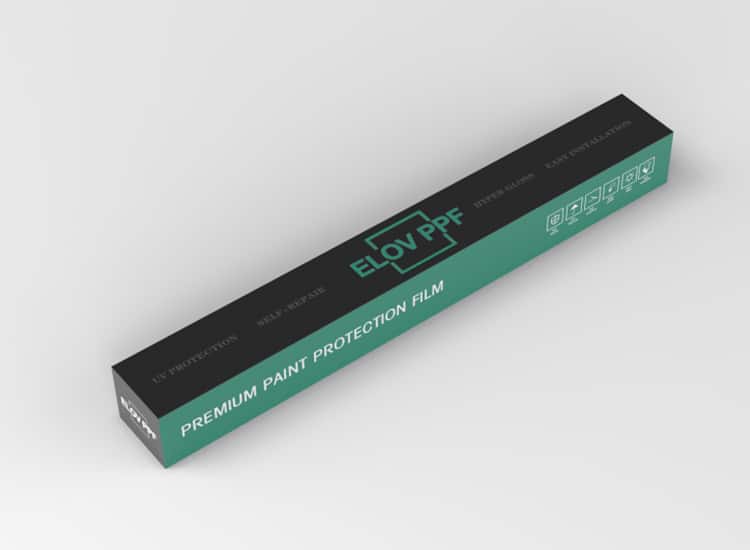
Private label PPF projects need more than rolls. Buyers may need custom brand boxes, inner bags, backing liner logo, carton labels, model names and color names. These items require design confirmation and production coordination.
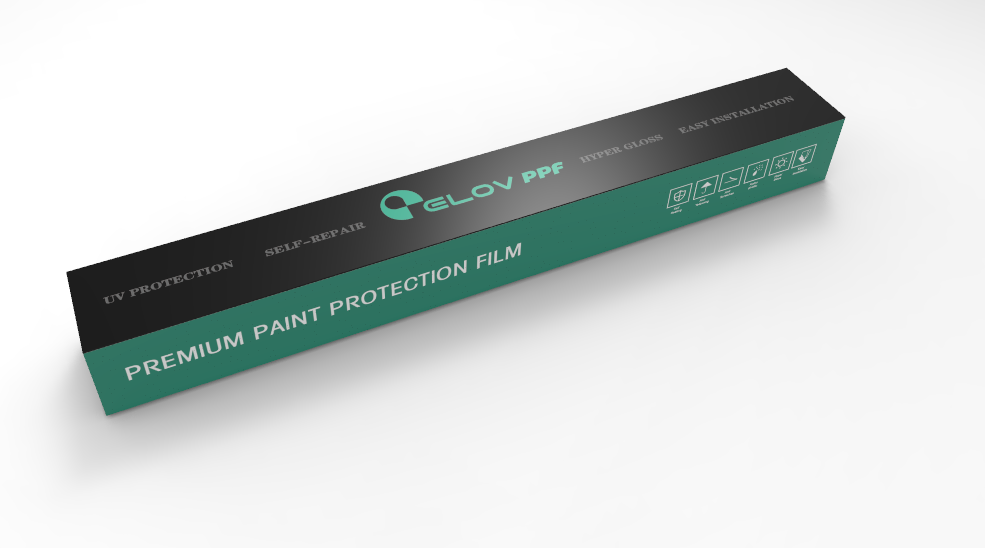
Before confirming the first bulk order, ask whether packaging boxes are produced in-house or by a partner, what files are needed, how proofs are approved, and whether carton labels can match your warehouse system. ELOV handles film coating, laminating, slitting and packaging in-house, while custom packaging boxes are supported through external production. Buyers can review OEM PPF packaging and the private label packaging checklist.
Capacity Without QC Is Not Enough
Fast production is only useful if the film remains consistent. Wholesale buyers should ask how the supplier checks raw materials, coating or adhesive layer, thickness, appearance, finished rolls and batch records.
For a deeper checklist, read the PPF factory QC checklist and batch traceability guide. When capacity, QC and traceability are reviewed together, buyers can make better decisions about repeat orders.
Buyer Checklist Before a Bulk PPF Order
- Confirm whether capacity is design capacity or stable monthly capacity.
- Ask which models are regular stock and which require production.
- Check MOQ for samples, standard rolls, Color PPF, OEM packaging and private label orders.
- Confirm lead time starting point, especially for OEM packaging and custom products.
- Request model specifications, warranty terms and sample test feedback before scaling.
- Confirm QC records, batch traceability and packaging requirements before repeat orders.
FAQ
What capacity should wholesale PPF buyers ask a factory to confirm?
Buyers should ask for stable monthly capacity by product family, including Clear PPF, Matte PPF, Color PPF and other film lines. They should also ask whether the number is current stable capacity or only design capacity.
How does regular inventory affect PPF lead time?
Regular inventory can shorten lead time for standard models because the buyer does not need to wait for full production. Final stock should still be confirmed before payment.
Does OEM packaging increase lead time?
Yes. OEM packaging can add time because artwork, box production, backing logo and carton labels may need approval before the bulk order is finalized.
What is the best way to reduce repeat order risk?
The best approach is to test samples first, confirm specifications, review QC and batch traceability, start with realistic MOQ, then scale repeat orders based on proven local demand.
Final Thoughts
PPF factory capacity and lead time should be evaluated together. A good supplier should explain production lines, stable output, regular inventory, MOQ, OEM packaging timing and QC records in a way that helps the buyer plan repeat orders with less risk.
To prepare your next wholesale order, send your target models, roll quantity, color range, packaging needs and expected monthly demand through the ELOV contact page.