PPF Distributor Stock Planning: How to Balance MOQ, Inventory and Lead Time Before Peak Season
For a PPF distributor, growth is rarely limited by demand alone. The real challenge is keeping the right rolls in stock, avoiding slow-moving colors, and still being ready when installers suddenly need fast delivery before a busy season. A strong paint protection film product line needs more than a price list. It needs a stock plan built around MOQ, lead time, product mix, warranty level, packaging, and the way your local installers actually buy film.
This guide explains how wholesale buyers can plan PPF inventory more confidently before placing repeat orders with a factory. It is written for importers, regional distributors, detailing supply companies, and private-label buyers who sell clear PPF, matte PPF, color PPF, windshield protection film, or related automotive films.
Start With Your Core PPF Demand, Not the Full Catalog
Many new distributors want to launch with every film type at once. That can make the catalog look complete, but it often creates too much inventory pressure. A better first step is to separate products into three groups: fast-moving stock, showroom sample colors, and made-to-order items.
Fast-moving stock usually includes clear gloss PPF, a reliable matte PPF, Glossy Black or Matte Black color PPF, and the sizes your installers use every week. These products deserve deeper inventory because they support regular installation jobs. Showroom sample colors help installers demonstrate options without forcing you to hold too many full rolls. Made-to-order products can be offered in your catalog, but you should not treat them as daily stock until demand is proven.
For a structured product mix, buyers can review the Clear PPF category, Matte PPF category, and the full Color PPF collection before deciding which films should become local stock.
Use MOQ as a Planning Tool, Not Just a Purchase Rule
MOQ should help you plan cash flow and warehouse space. At ELOV, sample orders can start from 1 roll. Standard clear PPF and matte PPF orders start from 20 rolls, color PPF starts from 10 rolls, and OEM or private-label orders start from 100 rolls. Different models can be mixed, which helps distributors test several films without locking all budget into one SKU.
For a first serious order, do not simply buy the cheapest mix. Build a starter order around actual sales scenarios: clear gloss rolls for daily protection jobs, matte rolls for premium finish changes, black color PPF for high-demand customization, and sample swatches for colors that still need market testing. This gives your sales team enough variety while keeping most stock in films that are easier to sell.
If you are still comparing suppliers, the PPF sample order guide is a useful step before a larger container or OEM packaging order.
Match Inventory Depth With Real Factory Lead Time
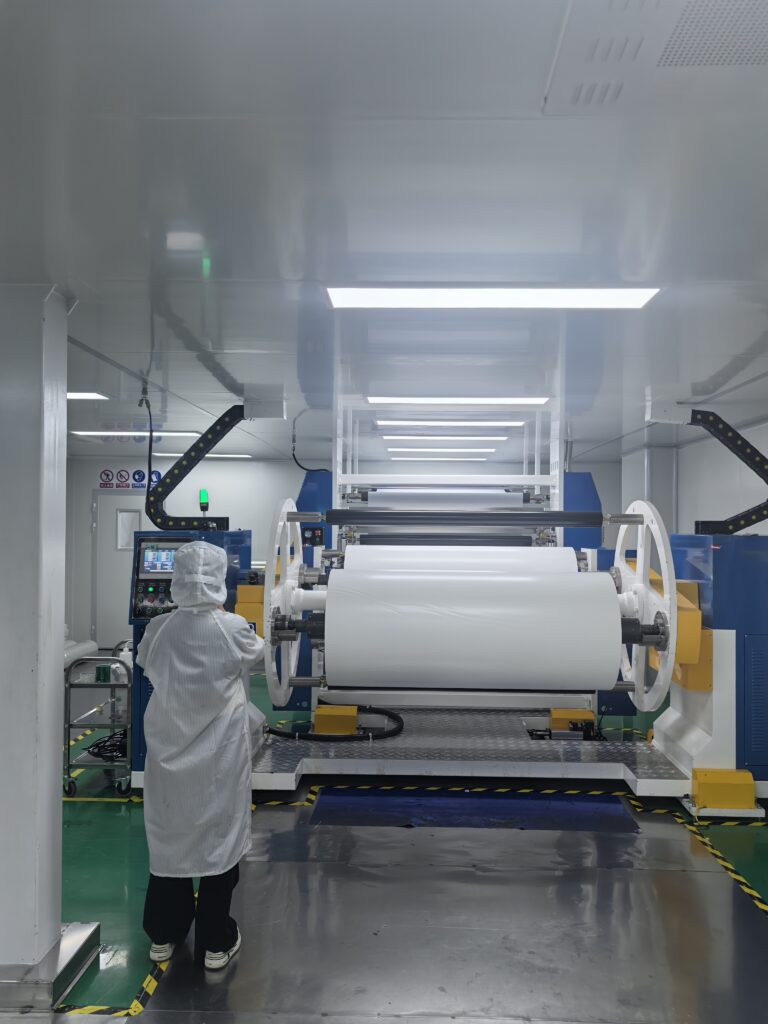
Lead time affects how much safety stock a distributor should keep. If a factory can support stable output, the buyer does not need to overstock every SKU. ELOV’s current stable monthly capacity includes 50,000 rolls of clear PPF, 10,000 rolls of matte PPF, 5,000 rolls of color PPF, and 50,000 rolls of window film. Regular stock orders usually ship faster than custom orders, while OEM packaging and special customization need more planning time.
As a practical rule, keep deeper inventory for SKUs that have short sales cycles and repeated installer demand. Keep lighter inventory for experimental colors, seasonal finishes, and products that depend on local trend cycles. Before peak season, review your average monthly sales, current inventory, expected shipping time, and the number of rolls already committed to installers or dealer customers.
For more background on production, QC and output, visit ELOV PPF factory capabilities.
Plan Separate Stock Logic for Clear, Matte and Color PPF
Clear PPF
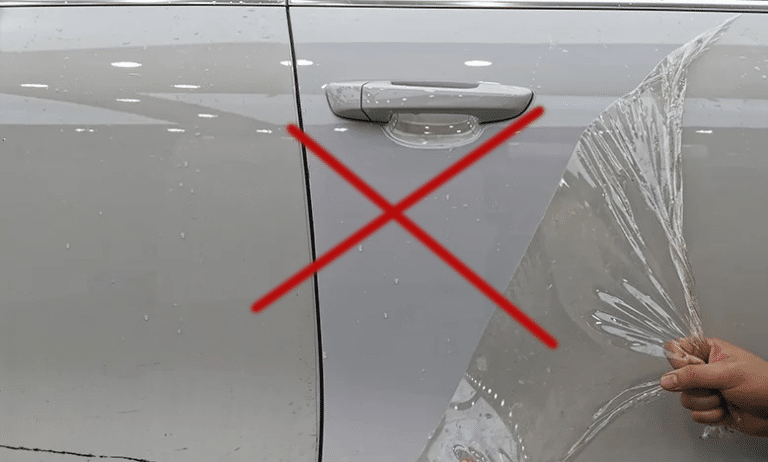
Clear PPF is usually the most stable inventory category. Installers use it for front-end kits, full-body protection, high-value vehicles, dealership protection packages, and repeat retail jobs. For distributors, clear film should be planned around thickness, warranty level, adhesive performance, coating, clarity, and installer feedback. Detailed model data can be compared on the Clear PPF specifications page.
Matte PPF
Matte PPF is more specialized but important for premium customers. It supports matte paint protection and finish conversion without hiding the vehicle’s original shape. Because matte jobs are often higher value, distributors should keep enough stock for confirmed installers but avoid treating every matte variation like a fast-moving clear film.
Color PPF
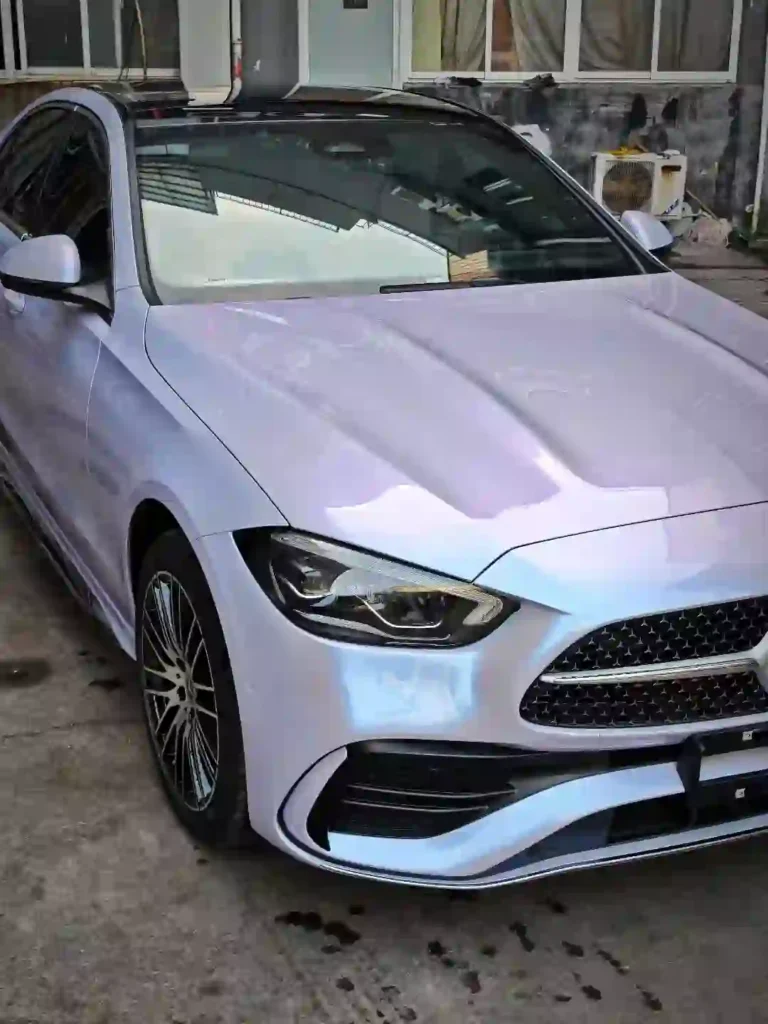
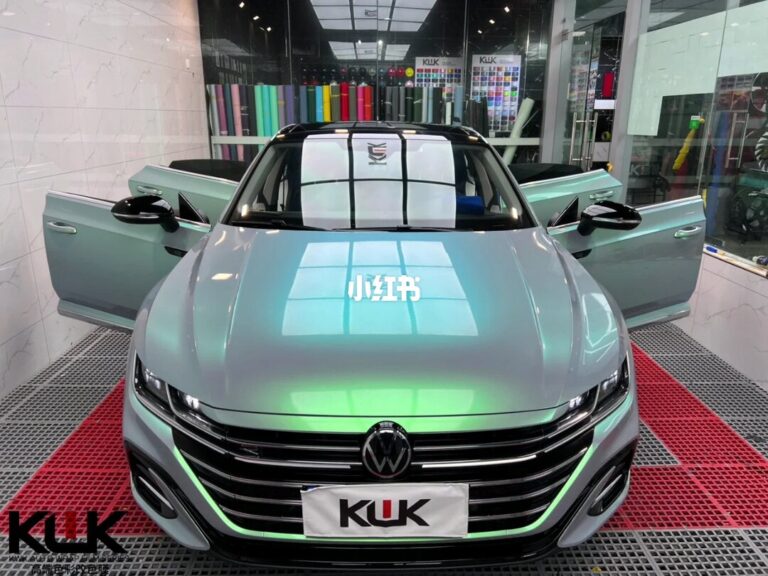
Color PPF needs the strongest stock discipline. Black, grey, white, silver and selected high-gloss colors are often safer for early inventory. Chameleon, metallic and specialty colors are excellent for showroom attention, but distributors should test demand with samples, application photos, and installer feedback before buying too many rolls. Use the Color PPF specifications together with the Color PPF application gallery to support local sales training.
Do Not Wait Too Long to Plan OEM Packaging
Private-label packaging can increase brand trust, but it needs more coordination than a standard stock order. Buyers should confirm box design, inner bag, backing logo, carton labels, model names, warranty wording, and approval samples before the production schedule becomes tight. ELOV supports custom branded packaging boxes, inner bags and backing paper logo for OEM and private-label buyers.
If you plan to sell under your own brand, review the OEM PPF packaging guide before finalizing your first large order.
A Simple Reorder Formula for PPF Distributors
A useful reorder point is: average weekly sales multiplied by expected replenishment weeks, plus safety stock for urgent installer demand. For example, if a clear PPF model sells 12 rolls per week and replenishment takes three weeks including payment, production, shipping and customs handling, the distributor should not wait until stock is nearly gone. A reorder point around 36 rolls plus safety stock is more realistic.
For color PPF, use a smaller safety stock unless the color is proven locally. For OEM packaging, reorder earlier because packaging confirmation and production scheduling add extra time. For new markets, start with fewer full-roll colors and more sample boards. Once installers send repeated requests for the same color, increase inventory depth.
FAQ
How many PPF rolls should a new distributor stock first?
A new distributor should begin with proven clear PPF models, one matte option, several high-demand color PPF options, and sample materials for colors that still need testing. The exact quantity depends on installer demand, shipping time and budget.
Should color PPF inventory be smaller than clear PPF inventory?
Usually yes. Clear PPF demand is more stable, while color PPF demand changes by market trend, vehicle style and local installer promotion. Keep deeper stock only for colors that sell repeatedly.
When should distributors order OEM PPF packaging?
OEM packaging should be planned before peak season because artwork confirmation, box production, inner bag details and backing logo approval add extra lead time compared with standard stock orders.
Can different PPF models be mixed in one order?
Yes. ELOV supports mixed model orders, which helps distributors combine clear PPF, matte PPF and selected color PPF SKUs when building a balanced wholesale inventory plan.
To discuss sample rolls, private-label packaging, model selection or repeat wholesale supply, contact ELOV through the PPF inquiry page.