PPF Supplier Change Control for Repeat Orders
A repeat order is not automatically identical to the sample you approved. A different raw-material grade, revised coating, new backing liner or substituted carton can create a mismatch between your purchasing record and what installers receive. The purpose of PPF supplier change control is to make those differences visible before production and shipment, rather than discovering them through customer complaints.
This guide is for distributors and private-label buyers who already have an approved paint protection film and want a dependable reorder process. It is not another initial supplier checklist. Use it to agree which changes require notification, what evidence is needed and who can authorize the next purchase.

Start With an Approved Product Baseline
Keep one dated record for each model you purchase. Include the supplier model, your own SKU, finish, agreed thickness basis, roll dimensions, packaging version and written warranty reference. Attach the approved specification sheet and sample evaluation record. A marketing brochure alone is usually too broad to define a repeat order.
For an ELOV clear-film program, begin with the clear PPF specifications, then confirm the exact model on your quotation. Do not transfer a TPU brand, warranty duration or coating description from one model to another. If two documents disagree, resolve the difference in writing before treating either as the approved baseline.
Separate Identifiers From Performance Claims
A model name identifies the ordered product, but it does not prove that every component has remained unchanged. Ask which document revision and batch reference will accompany the reorder. Likewise, a supplier change notice is not evidence of equivalent performance by itself. Record the affected characteristics and the evidence used to evaluate them.
Define Which Changes Need Buyer Approval
Make your requirements proportionate to the risk. Correcting a spelling error on an internal document is different from changing the film construction or a customer-facing warranty statement. The following categories provide a practical starting point for discussion, not an assertion that every supplier already follows this procedure.
- Product construction: TPU grade, adhesive, coating, layer structure or agreed finished-film thickness.
- Installation experience: backing liner, handling characteristics, recommended installation instructions or release behavior.
- Appearance: color reference, gloss or matte finish, protective cap sheet and approved visual tolerances.
- Commercial identity: model code, country-of-origin statement, brand artwork, roll labels and carton identification.
- Support terms: warranty document, claim procedure, storage instructions or product-specific limitations.
Agree which categories require advance written approval and which only require a documented notification. Define the response deadline and what happens if nobody responds. Silence should not accidentally become permission to substitute a different product.
Request a Short, Usable Change Notice
A useful notice identifies the old and proposed specification, the reason for the change and the first affected batch or purchase order. It should state whether existing inventory is affected and whether the previous version remains available. Ask for supporting documents in the same message, rather than receiving disconnected screenshots over several conversations.
Keep a simple status log: received, evidence requested, evaluation in progress, approved, rejected or deferred. Assign one purchasing owner and one technical reviewer. Sales staff can contribute installer feedback, but customer commitments should follow the recorded decision rather than an informal promise made during a reorder.
Evaluate the Change Against Its Actual Risk
Start with the characteristics the change could affect. A revised carton may need artwork and packing checks; a material substitution may require a new sample evaluation and relevant test documentation. There is no single short test that proves every revised PPF construction is equivalent to the previous version.
Use the site’s PPF test report checklist to connect evidence to the right sample and method. If a report covers another grade, another thickness or an unidentified specimen, request clarification. Avoid presenting a laboratory photograph as certification of the revised model.
Keep the Trial Separate From Saleable Stock
Label evaluation rolls clearly and record the evaluator, conditions and observations. Compare them with an identified retained sample where available. Ask participating installers to report both acceptable results and difficulties, then decide whether additional evaluation is necessary. Do not distribute unapproved trial material as an ordinary repeat order.
Control Packaging and Private-Label Revisions
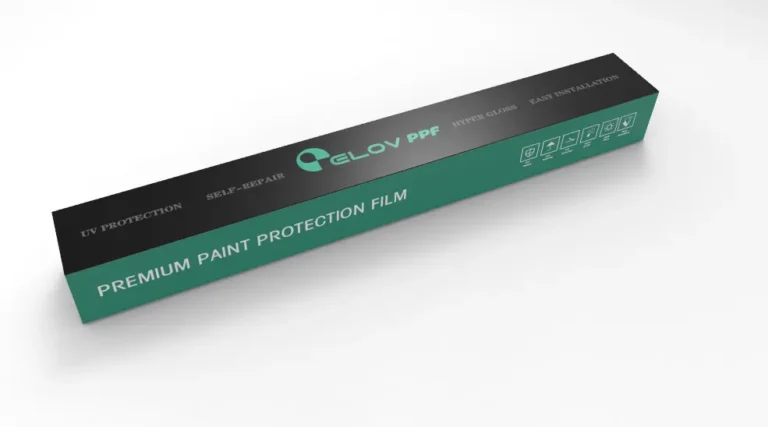
Artwork changes deserve their own revision record. Verify the model, color name, barcode, roll size and warranty wording across the box, inner bag and backing logo where applicable. A correct film packed in an obsolete branded carton can still cause confusion for your warehouse, sales team and downstream buyers.
For OEM PPF packaging, agree how old packaging will be handled before approving a new design. Ask whether remaining stock will be used, segregated or replaced, and have any additional costs confirmed. Do not assume that approval of a new print file automatically changes products already packed.
Put the Decision on the Purchase Order
After approval, reference the agreed product and packaging revisions on the reorder. Identify the first approved batch when that information is available. If approval is conditional, state the outstanding requirement and the point at which shipment may proceed. Keep commercial timing separate from technical acceptance.
ELOV’s confirmed standard minimums are 20 rolls for clear or matte PPF and 10 rolls for color PPF; sample orders start at one roll, while OEM packaging and custom orders start at 100 rolls. Different models can be mixed, with the mix confirmed on the quotation. Review the sample and MOQ guide before planning an evaluation order.
Preparation timing starts from payment and varies by order type. A change evaluation, artwork approval or special requirement may affect the specific schedule, so request an order-level confirmation. Do not interpret preparation time as transit time or promise delivery before the revised order has been accepted.
FAQ: PPF Supplier Change Control
Does an unchanged model code guarantee unchanged materials?
No. Ask the supplier to confirm the applicable specification revision and whether any components or processes relevant to the agreed product have changed. Keep that confirmation with the purchase order.
Must every packaging change trigger a full film test?
Not necessarily. Match the review to the affected characteristics. A packaging-only revision may need identification and packing checks, while a film construction change can require broader evaluation.
Can buyers reject a proposed substitution?
Define substitution approval in the purchasing agreement. If the proposed product does not meet your approved requirements, resolve alternatives, price and timing with the supplier before authorizing production or shipment.
What should I send ELOV about a repeat-order change?
Send the model, previous order reference, approved specification, proposed change, quantity and target schedule through Contact ELOV. Ask for written confirmation of the affected details and any sample or document requirements before approving the reorder.