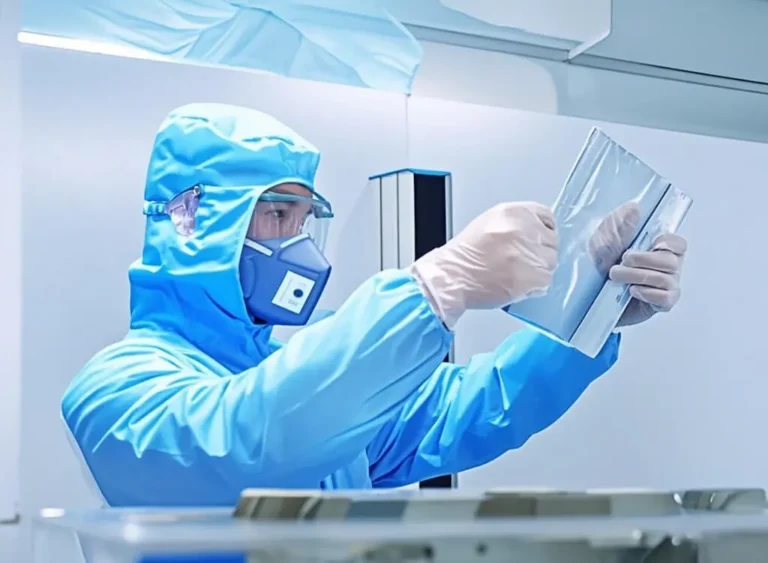
Private Label PPF Sample Approval Process: A Wholesale Buyer Checklist
This private label PPF sample approval process helps wholesale buyers move from first sample to repeatable bulk order with fewer delays. The problem is that many buyers only test the film surface, then discover packaging, label, color name or carton details much later. That delay can slow down the first order, confuse installers and make repeat orders harder to control.
For a distributor, installer chain or regional brand owner, sample approval is more than choosing a good-looking roll. It is the point where product performance, OEM packaging, lead time, stock planning and after-sales documentation become one repeatable system. This checklist explains how buyers can approve private label PPF samples before moving into bulk production.
1. Start With The Product Line You Actually Want To Sell
A private label project should not begin with a random sample request. Buyers should first decide whether the launch will focus on clear PPF, matte PPF, color PPF, windshield protection film or a mixed model program. Each category has a different customer expectation, warranty position and stock risk.
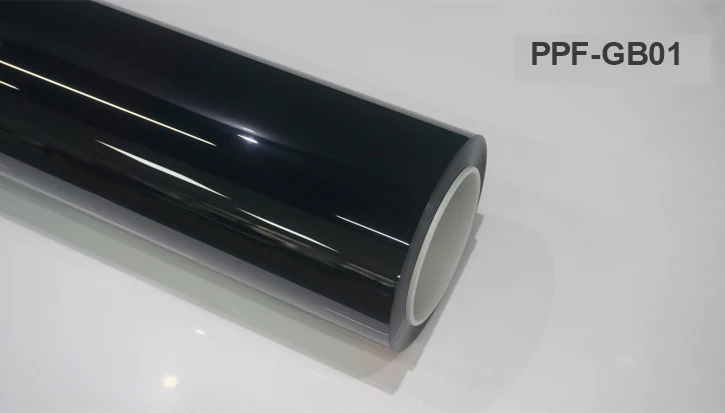
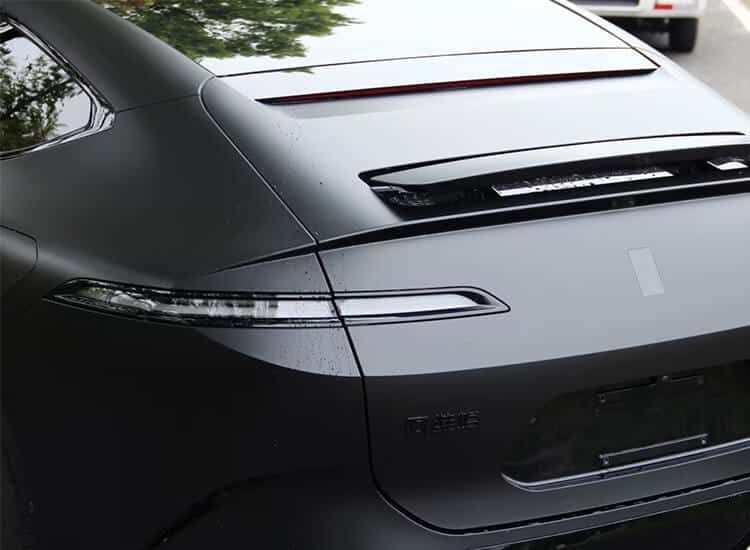
Clear PPF buyers usually care most about optical clarity, stain resistance, self-healing, adhesive stability and long-term warranty support. Matte PPF buyers focus on surface uniformity and whether the film changes the paint tone in a clean, premium way. Color PPF buyers need a much stronger color approval workflow because chart color, roll color and installed color may look different under sunlight, showroom lighting and curved body panels.
2. Confirm The Technical Sample, Not Only The Appearance
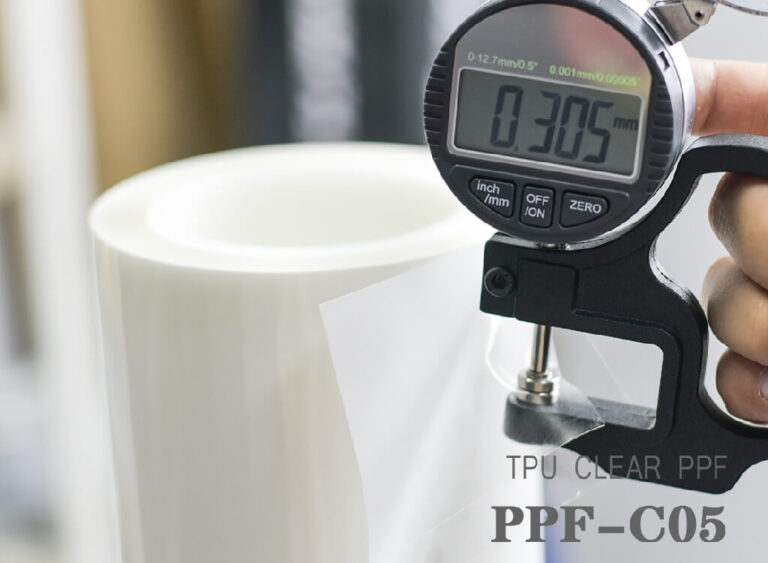
Before approving OEM packaging, the technical sample should be tested against the data that will appear on your website, catalog and carton label. At minimum, buyers should confirm film thickness, TPU source, adhesive, coating, roll size, warranty period and target customer type. For ELOV color PPF, a typical wholesale specification includes Covestro aliphatic TPU, 7.5mil thickness, Ashland adhesive, Cashew third generation self-healing coating, hydrophobic performance, 5-year warranty and 1.52m x 15m roll size.
Installers should test the sample on common body shapes, not only flat panels. Hood edges, bumper curves, mirrors and door handles reveal adhesive feel, stretch behavior and recovery more clearly. If the sample will be used for a dealer network, record installation feedback in a simple table so different installers are comparing the same items.
3. Approve Color Names, SKU Codes And Buyer-Facing Language
Private label mistakes often happen around naming. A buyer may approve a color visually but later change the name on the box, website and invoice. That creates avoidable confusion. For each SKU, lock the product code, English color name, local language name if needed, surface effect and category before mass production.
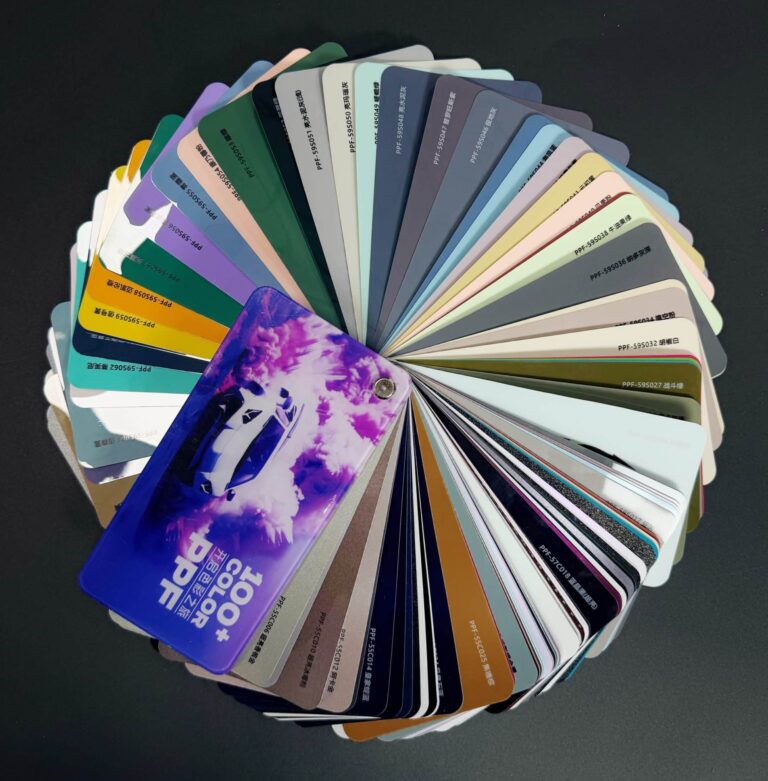
This step is especially important for color PPF. A distributor selling black, grey, silver, white, yellow, pink, green, blue and chameleon films needs a consistent naming system that can scale. The product page, color chart, invoice, box label and sample card should use the same naming logic. Buyers can review ELOV’s color PPF specifications and the color PPF collection to see how individual color pages can be organized for search and sales.
4. Check OEM Packaging Before Releasing A Bulk Order
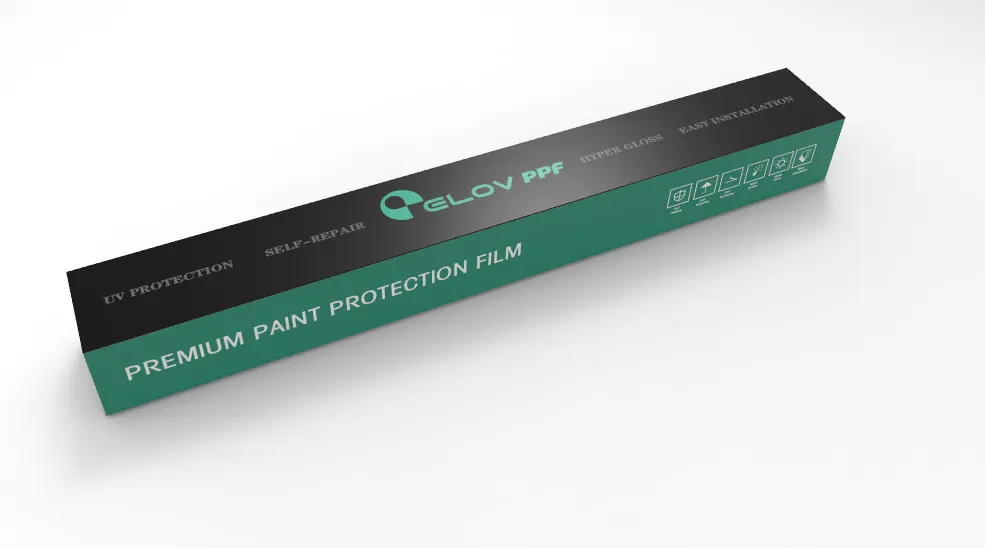
OEM packaging is part of the product experience. For private label PPF, buyers should approve the outer box, inner bag and backing logo if used. The box should show the brand, product category, model or SKU, roll size, storage information and any compliance marks that are actually supported by documents. Avoid adding certification claims that are not backed by valid certificates or reports.
ELOV supports custom brand packaging boxes, custom inner bags and custom backing logo projects. For planning, buyers should separate sample MOQ from private label MOQ. A sample can begin from one roll, while regular clear PPF and matte PPF wholesale orders typically start from 20 rolls, color PPF from 20 rolls, and OEM or private label customization from 100 rolls. These numbers help the buyer plan a realistic first purchase without overloading inventory.
5. Match Sample Approval With Factory Capacity And Lead Time
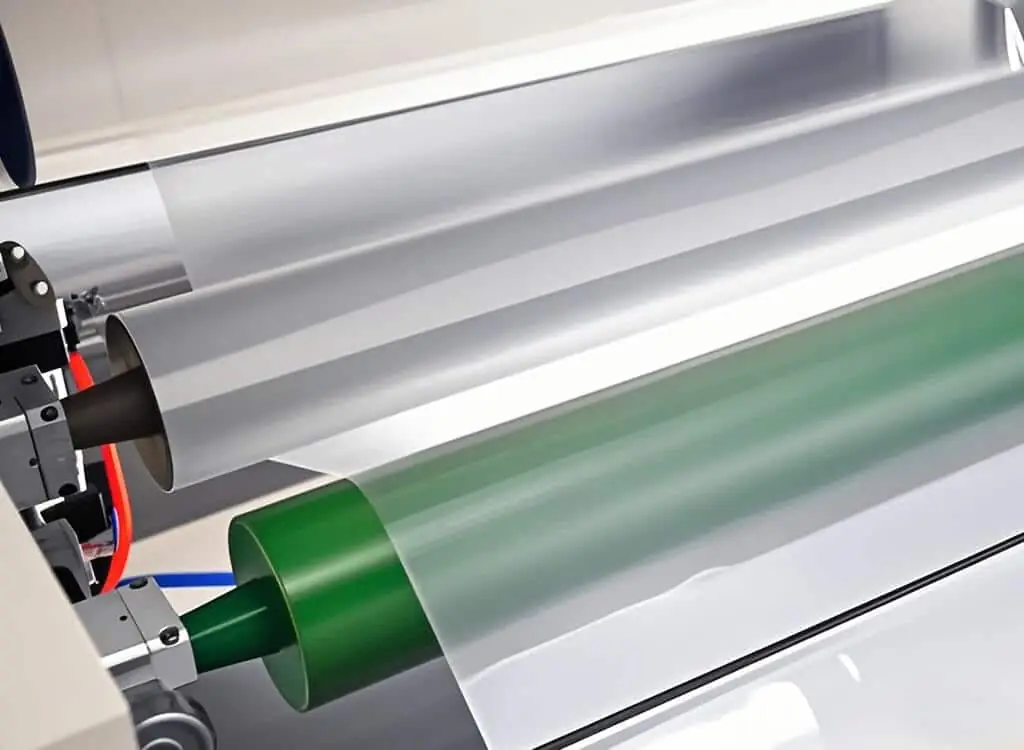
A sample is useful only if the factory can repeat the approved result. Buyers should ask how the factory controls production, cutting, packing and batch traceability. ELOV PPF Technology Co., Ltd. operates a 96,000 sqm factory area, including about 73,000 sqm of production area, with PPF-related coating, laminating, slitting and packaging processes completed in-house. Stable monthly capacity includes clear PPF, matte PPF, color PPF and window film stock programs.
Lead time should also be confirmed before payment. A practical planning model is 1-2 working days for sample preparation, 2-3 working days for stock orders, about 7 days for regular production, about 10 days for OEM packaging orders and 15-20 days for custom product orders. The buyer should clarify whether the lead time starts from payment, artwork confirmation or formal order confirmation. For ELOV projects, the production lead time is calculated from payment after order details are confirmed.
6. Create A Written Approval Record
Do not rely on chat messages alone. A written approval record should include the approved sample date, product code, product name, roll size, film specification, packaging version, carton label version, approved photos and the person responsible for approval. If a later shipment has a question, this record becomes the reference point for both buyer and supplier.
The approval file also supports internal sales training. Your sales team can explain what the film is, what warranty it carries, what MOQ applies and how the packaging looks. Your warehouse team can identify cartons faster. Your installers can compare new batches with the original sample more confidently.
7. Connect The Approved Samples To Your Sales Pages
Once samples are approved, buyers should update their product pages, catalog and sales sheet at the same time. Use real product names, real application photos, clear specifications and a direct inquiry path. For buyers comparing supplier options, ELOV’s products page, OEM PPF packaging information and contact page can be used to request samples, mixed model orders and packaging discussions.
FAQ
How many PPF samples should a private label buyer approve?
A buyer should approve film samples, backing logo samples when required, inner bag artwork, box design and carton labels before mass production.
Should OEM packaging be checked before or after film testing?
Film performance should be checked first, but OEM packaging artwork and label information should be approved before the buyer releases a production order.
What information should be locked after sample approval?
The buyer should lock the product code, film thickness, surface effect, adhesive, coating, warranty, roll size, packaging artwork, carton label and batch tracking format.