PPF Roll Storage and Shelf Life Guide for Distributors
PPF roll storage is easy to ignore until a distributor starts handling repeat orders, multiple film models and private label inventory. Paint protection film is a technical product. Even when the film is produced with stable TPU, coating and adhesive, poor storage can still create installation complaints, dust contamination, adhesive stress, edge damage or confusing stock rotation.
This guide explains how distributors, installer chains and wholesale automotive film buyers should store PPF rolls, manage shelf life and build a cleaner inventory process. It is especially useful for buyers carrying clear PPF, matte PPF, color PPF and OEM branded packaging.

PPF Roll Storage Control Checklist for Distributors
Good PPF roll storage starts before the carton is opened. Distributors should connect receiving checks, carton labels, batch records, warehouse conditions and installer feedback so each roll can be traced from shipment to installation.
| Storage Control Point | What to Check | Related Resource |
|---|---|---|
| Receiving inspection | Check carton condition, delivery marks, packing list consistency and visible shipping damage before storing rolls. | PPF roll shipping checklist |
| Carton and roll labels | Record model, roll size, color or finish, quantity, carton number and batch code for warehouse sorting. | PPF carton label requirements |
| Batch traceability | Connect production batch, carton marks, receiving date and installer feedback for warranty review and repeat orders. | Batch traceability guide |
| Quality control context | Review coating, adhesive, roll surface and packaging checks so storage issues are not confused with factory QC issues. | PPF factory QC checklist |
| Sample and installer feedback | Test sample rolls before scaling inventory and record installer feedback by model, batch and storage condition. | PPF sample order checklist |
| Private label inventory | Keep custom box, inner bag, backing logo and carton label standards consistent across repeat private label orders. | Private label PPF packaging checklist |
| Supplier capability | Confirm factory scale, certifications, monthly output and repeat supply stability before holding deeper inventory. | PPF factory capabilities |
For product selection before stocking inventory, compare TPU paint protection film collections, clear PPF specifications, color PPF specifications, and PPF model positioning. To plan samples or wholesale supply, contact ELOV PPF.
Why PPF Roll Storage Matters for Wholesale Buyers
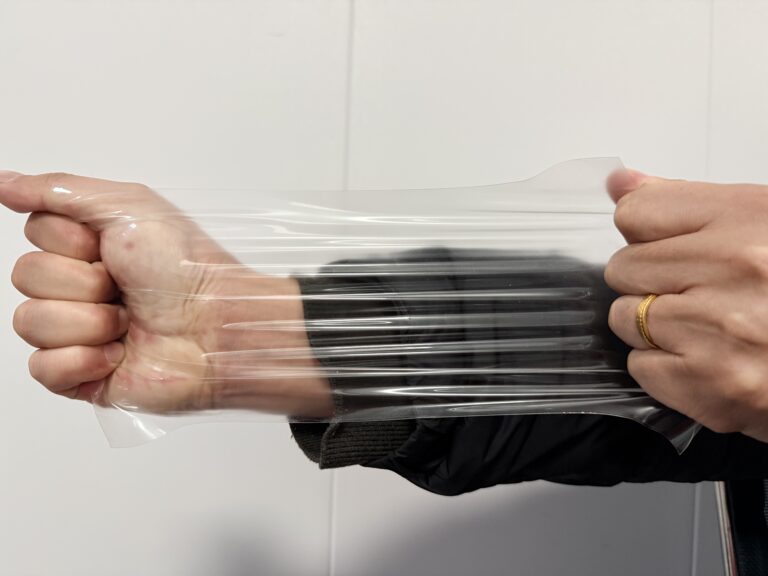
A PPF roll may look simple from the outside, but it includes TPU film, top coating, adhesive, release liner and protective packaging. These layers need stable handling. If rolls are stored in high heat, direct sunlight, high humidity or dirty areas, the installer may experience more dust, film tension, adhesive marks or inconsistent unrolling.
For a distributor, storage quality also affects business reputation. Installers usually do not separate factory quality from warehouse handling. If a roll arrives damaged or hard to install, they may blame the brand. A good storage system protects both the film and the relationship with repeat customers.
Recommended Storage Conditions for PPF Rolls
PPF rolls should be stored in a clean, dry and temperature-stable room. Avoid direct sunlight, outdoor storage, open windows, wet floors and areas close to heaters or chemical products. The storage room should be organized enough that rolls do not need to be moved repeatedly before shipment.
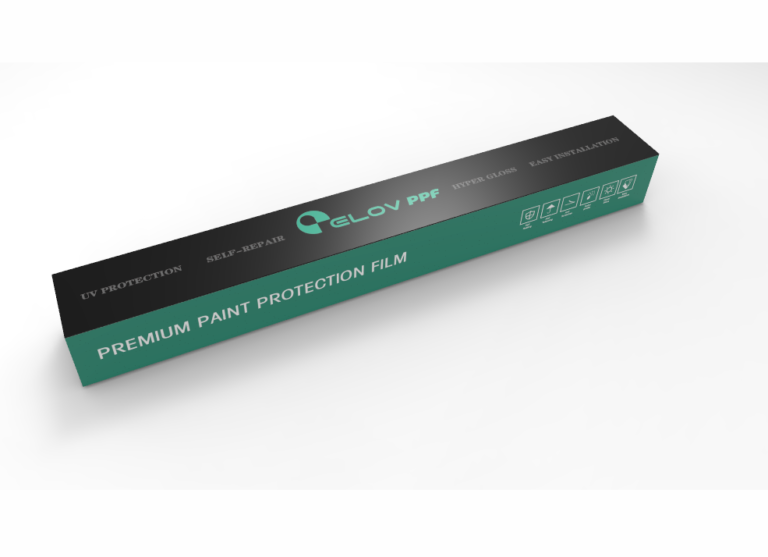
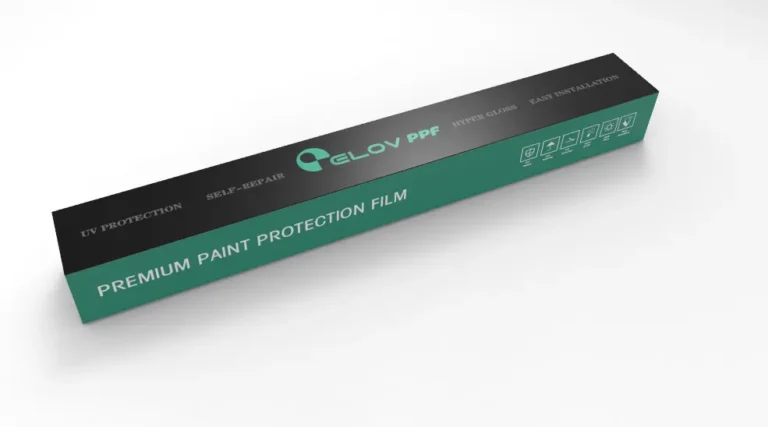
As a practical rule, keep rolls in original packaging until they are ready for inspection, cutting or delivery. Original packaging helps protect the roll from dust and handling scratches. If a roll has been opened for sampling, seal it again and keep the model label visible.
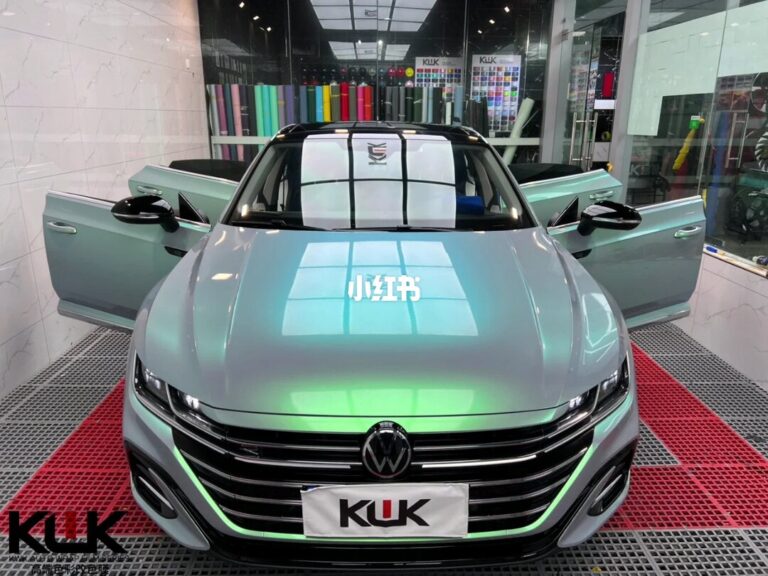
Buyers can review ELOV product categories through the PPF collection, including Clear PPF, Matte PPF and Color PPF, then plan storage space by product family.
Store Rolls Horizontally or Vertically With Care
The safest storage method depends on warehouse design, packaging strength and how often rolls are moved. Many distributors store rolls horizontally in cartons or on dedicated racks. This protects the roll shape when the packaging is strong and the roll is supported evenly.
If rolls are stored vertically, they must be stable and protected from falling or edge compression. Avoid leaning rolls at an angle for long periods. A fall can damage the edge of the film or carton, and edge damage may create waste during cutting.
Manage Shelf Life With Stock Rotation
PPF shelf life depends on material, adhesive system, packaging and warehouse conditions. Distributors should not treat all rolls as loose inventory. Each roll should have a model code, production batch, arrival date and storage location. This allows the warehouse team to use first-in, first-out rotation.
First-in, first-out does not mean old stock is bad. It means the inventory process is controlled. For wholesale buyers handling multiple models, stock rotation helps avoid forgotten rolls in the back of the warehouse and makes warranty discussions easier if a customer reports a problem.
Model codes are especially important for buyers selling a wide range of products. Use the Clear PPF specifications, Color PPF specifications and PPF model comparison pages as references when building internal labels.
Protect Adhesive Performance Before Installation
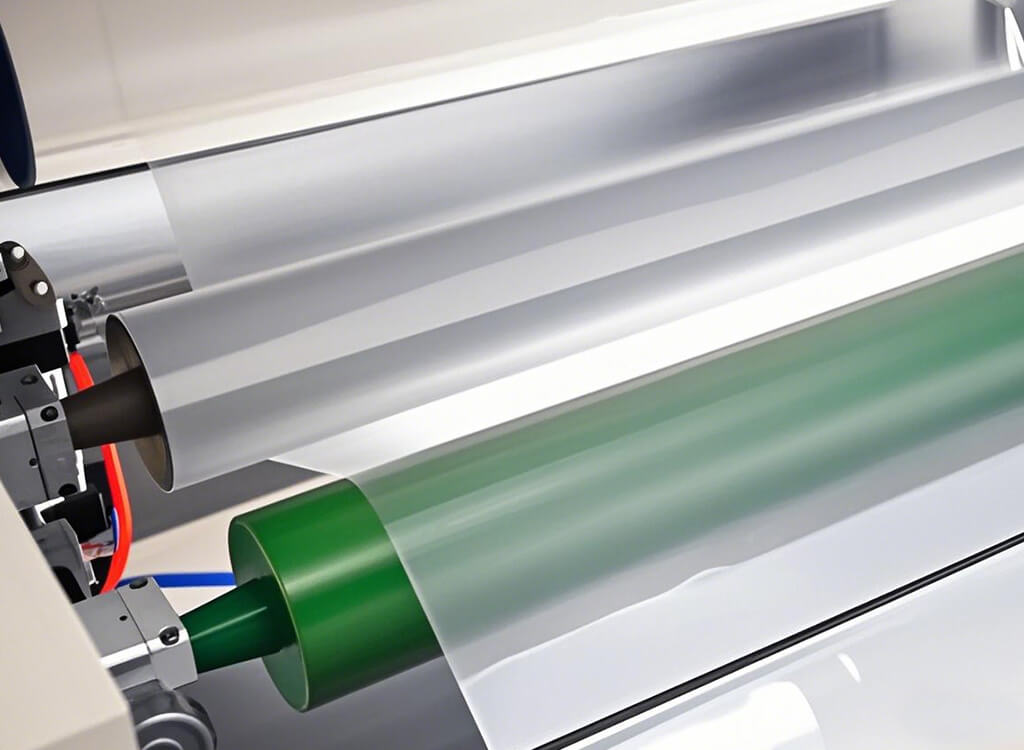
Adhesive performance is one of the most sensitive parts of PPF handling. High heat and contamination can affect how smoothly the film installs. Dust near the roll edge can also transfer into the installation environment. This is why storage and installation preparation should work together.
Before shipping a roll to an installer, check that the carton is clean, the label is readable and the roll has not been crushed. For opened rolls, confirm that the exposed edge is protected. If the roll was used for samples, record the remaining length and keep it separate from unopened stock.
Use Packaging and Labels as an Inventory Tool
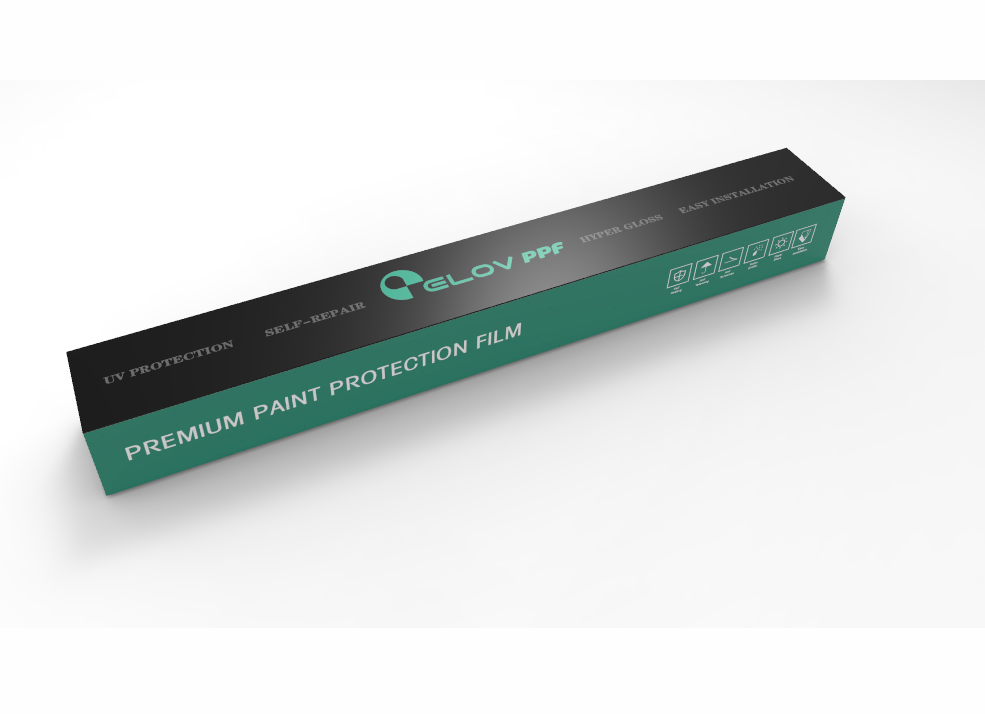
Packaging is not only branding. For distributors, it is also an inventory control tool. A clear label system helps the warehouse team identify film type, model code, finish, roll size, batch and destination customer. This is useful for clear PPF, but it becomes even more important for Color PPF because many colors may look similar in storage.
ELOV supports custom brand packaging boxes, inner bags and backing liner logo options. If you are building a private label PPF program, review OEM PPF packaging and the private label packaging checklist before confirming your label structure.
Build a Simple Distributor Storage Checklist
- Keep PPF rolls in a clean, dry and stable indoor area.
- Avoid direct sunlight, high heat, wet floors and dusty corners.
- Keep rolls in original packaging until use or inspection.
- Record model code, batch, arrival date and storage location.
- Use first-in, first-out rotation for repeat orders.
- Separate opened sample rolls from unopened wholesale stock.
- Check carton condition before sending rolls to installers.
- Use clear labels for clear, matte and color PPF models.
How Storage Supports Better Wholesale Planning
Good storage makes purchasing decisions easier. When you know which models move quickly and which models stay in stock longer, you can plan sample orders, repeat orders and OEM packaging more confidently. This prevents overstocking slow colors while keeping fast-moving clear and matte PPF available.
If you are testing a new market, start with samples and controlled inventory instead of overbuying. The PPF sample and MOQ ordering guide explains how buyers can evaluate products before scaling into larger orders.
FAQ
How should distributors store PPF rolls?
Store PPF rolls indoors in a clean, dry and temperature-stable area. Keep rolls away from direct sunlight, high heat, moisture, dust and chemicals. Keep original packaging on the roll until it is ready for use.
Does PPF have a shelf life?
Yes. Shelf life depends on film structure, adhesive system, packaging and storage conditions. Distributors should manage PPF rolls with batch records and first-in, first-out stock rotation.
Can poor storage affect PPF installation?
Yes. Poor storage can increase dust contamination, carton damage, edge pressure and adhesive handling issues. Clean storage helps protect installer confidence and reduces avoidable complaints.
What should a distributor check before shipping PPF rolls?
Check the carton, label, model code, batch, roll condition and whether the product is unopened or already used for sampling. Clear records help reduce shipment and reorder mistakes.
Final Thoughts
PPF roll storage is part of product quality control. A distributor that manages temperature, cleanliness, labels, shelf life and stock rotation can protect film performance and build more trust with installers. To plan clear, matte or color PPF inventory for your market, contact ELOV PPF for samples, model recommendations and OEM packaging support.