PPF Industry Standards: What Wholesale Buyers Should Check Before Bulk Orders
PPF industry standards are not only a technical topic. For wholesale buyers, distributors and private label brands, standards decide whether a paint protection film program can be sold repeatedly without excessive complaints, warranty disputes or installer confusion. A low roll price is easy to compare, but quality stability is harder to judge unless buyers know what to check before bulk orders.
This guide gives a practical checklist for evaluating paint protection film standards before approving a supplier. It supports the more detailed PPF industry standards guide and connects the topic to factory QC, sample testing, batch traceability and product specifications.

Start with Material Standards
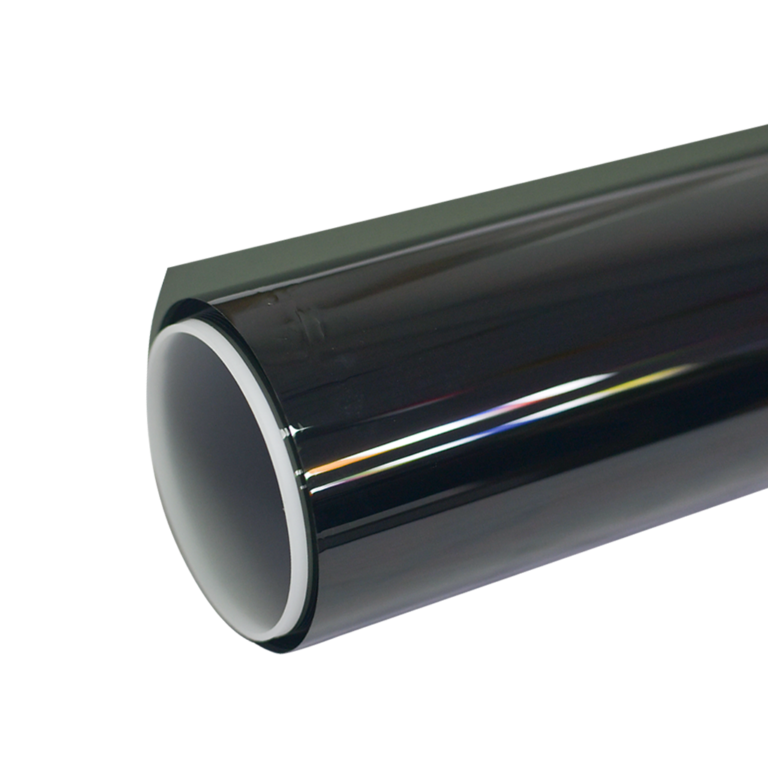
The first standard to check is the base material. Premium paint protection film is usually positioned around aliphatic TPU because buyers expect better clarity, elasticity, durability and long-term protection than low-end alternatives. When comparing suppliers, ask what material is used, how the model is positioned and whether the film is designed for clear, matte or color PPF applications.
Buyers can use the TPU vs TPH vs PVC PPF comparison to avoid relying only on product names. A supplier may use similar marketing words, but real performance depends on base film quality, coating, adhesive, thickness and warranty positioning.
Check Coating and Surface Performance
PPF quality standards should include coating behavior. A good coating supports self-healing, hydrophobic performance, stain resistance, surface clarity and installer confidence. If the coating is unstable, buyers may see orange peel complaints, weak gloss, difficult cleaning or inconsistent customer feedback.
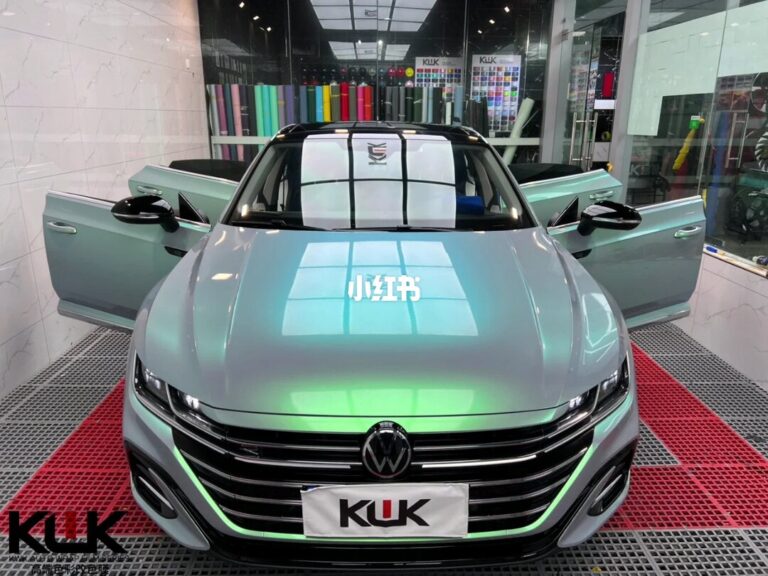
Before bulk orders, compare coating recovery, water behavior, gloss level and surface feel across samples. For clear PPF, review the Clear PPF specifications. For color programs, compare finish, thickness and warranty positioning through the Color PPF specifications.
Adhesive and Installation Standards
Adhesive quality affects installation time, edge behavior, repositioning, removal and warranty risk. A film may look good on a sample card but still create problems if installers report lifting, adhesive marks, poor stretch response or difficult removal. This is why sample testing should include real installation feedback, not only visual inspection.
Installers should test the film on representative panels, curved areas and edges. Distributors can use the PPF sample order checklist and installer training checklist to turn subjective feedback into a repeatable approval process.

Factory QC Standards Before Shipment
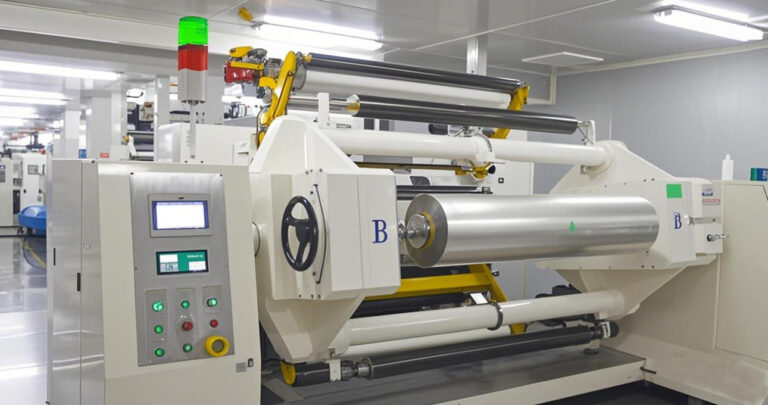
A serious PPF supplier should have checks before shipment. Buyers should ask how the factory reviews roll surface, coating consistency, adhesive stability, width, thickness, carton labeling and packaging. QC should also connect to production records, so buyers can identify the batch if a market complaint appears later.
The PPF factory QC checklist, PPF manufacturing process and batch traceability guide help buyers evaluate whether a factory has a real quality system instead of only a sales claim.
Packaging, Storage and Shipping Standards
PPF standards do not stop at the film roll. Poor packaging, unclear carton labels, high storage temperature, pressure marks or bad warehouse rotation can turn a good film into a complaint risk. This is especially important for distributors who import stock, store it locally and resell it to installers over time.
Buyers should confirm roll packaging, carton labeling, storage instructions and shipping protection before large orders. Useful resources include PPF roll storage and shelf life, carton label requirements and OEM PPF packaging.
Certifications and Supplier Trust
Certifications help, but they should not be the only standard. A buyer should connect certificates with real production capability, sample testing, QC records and after-sales communication. ELOV PPF was founded in 2013 and supports SGS, ISO 9001 and IATF 16949-related trust signals, but buyers should still test the film and confirm the product line fits their market.
For supplier evaluation, review ELOV PPF factory information and PPF factory capabilities. These pages help buyers connect standards with production scale, sample support, OEM packaging and repeat supply.

FAQ
What PPF industry standards should wholesale buyers check first?
Start with material, coating, adhesive, thickness, installation behavior, factory QC, batch traceability, packaging and storage requirements.
Are certifications enough to choose a PPF supplier?
No. Certifications are useful, but buyers should also test samples, review QC records, compare specifications and confirm after-sales support.
Why is batch traceability important for PPF buyers?
Batch traceability helps buyers connect a roll, carton, production record and installer feedback when reviewing quality issues or warranty claims.
How can buyers reduce risk before bulk PPF orders?
Use sample orders, installation testing, factory QC checks, clear packaging requirements and supplier documentation before scaling inventory.
Final Thoughts
PPF industry standards are best treated as a buying system, not a single certificate or one product claim. Wholesale buyers should compare film material, coating, adhesive, installation behavior, QC, batch records, packaging and storage before approving bulk orders. To review ELOV PPF options, start with the PPF industry standards guide, compare Clear PPF and Color PPF specifications, or contact ELOV PPF for samples and wholesale support.