Color PPF Supplier Checklist: How to Judge Color Charts and Real Application Photos
A Color PPF supplier checklist should start with a simple question: can the supplier help a distributor sell the color in the real world, or only show an attractive catalog page? For wholesale buyers, color paint protection film is different from clear PPF. The buyer must judge TPU quality, coating performance, color demand, visual accuracy, SKU naming, sample presentation and how easily installers can explain the color to customers.
This guide gives distributors and private label buyers a practical way to evaluate color charts and real application photos before placing a bulk Color PPF order. It is designed for buyers who want a repeatable product line instead of random colors that look good on a screen but move slowly in inventory.

Start with SKU Logic, Not Only Beautiful Colors
A strong Color PPF supplier should provide a clear SKU system. Each color needs a model code, color name, finish type and matching catalog image. If names change between the catalog, sample label, invoice and product page, distributors will struggle to train sales teams and reorder the same SKU.
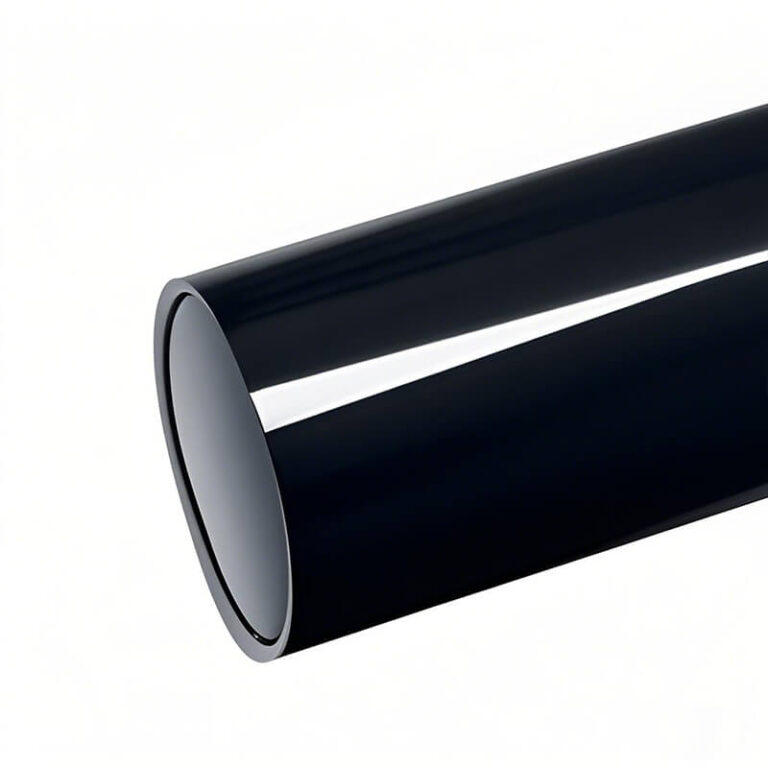
For example, a distributor may carry glossy black, matte black, grey, silver, white, red, green, blue, chameleon and specialty effect colors. The exact mix depends on the local market, but the naming system must stay consistent. Use the Color PPF collection and Color PPF specifications as a reference structure when building your own SKU list.
Check Whether the Color Chart Matches Real Car Photos
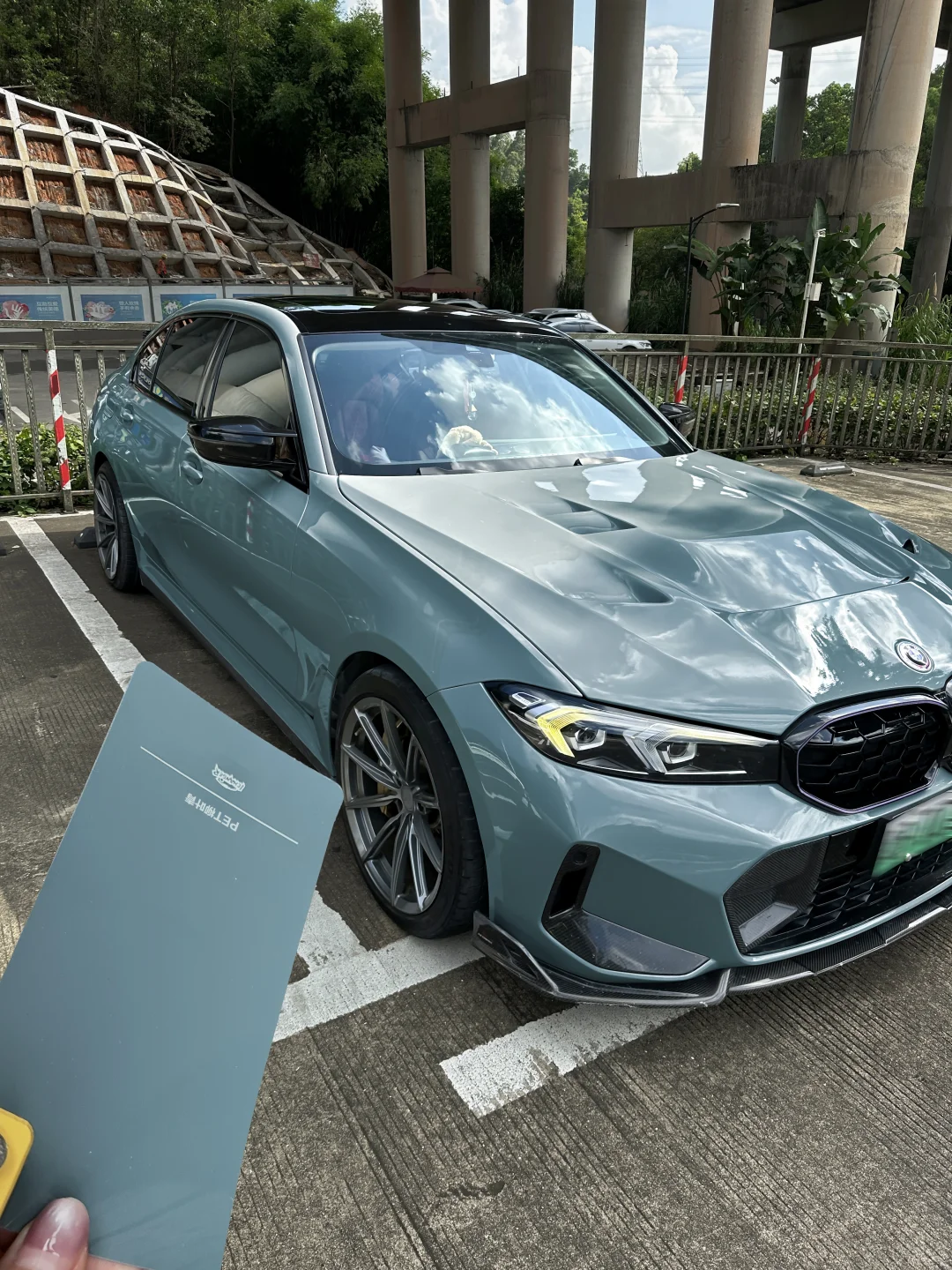
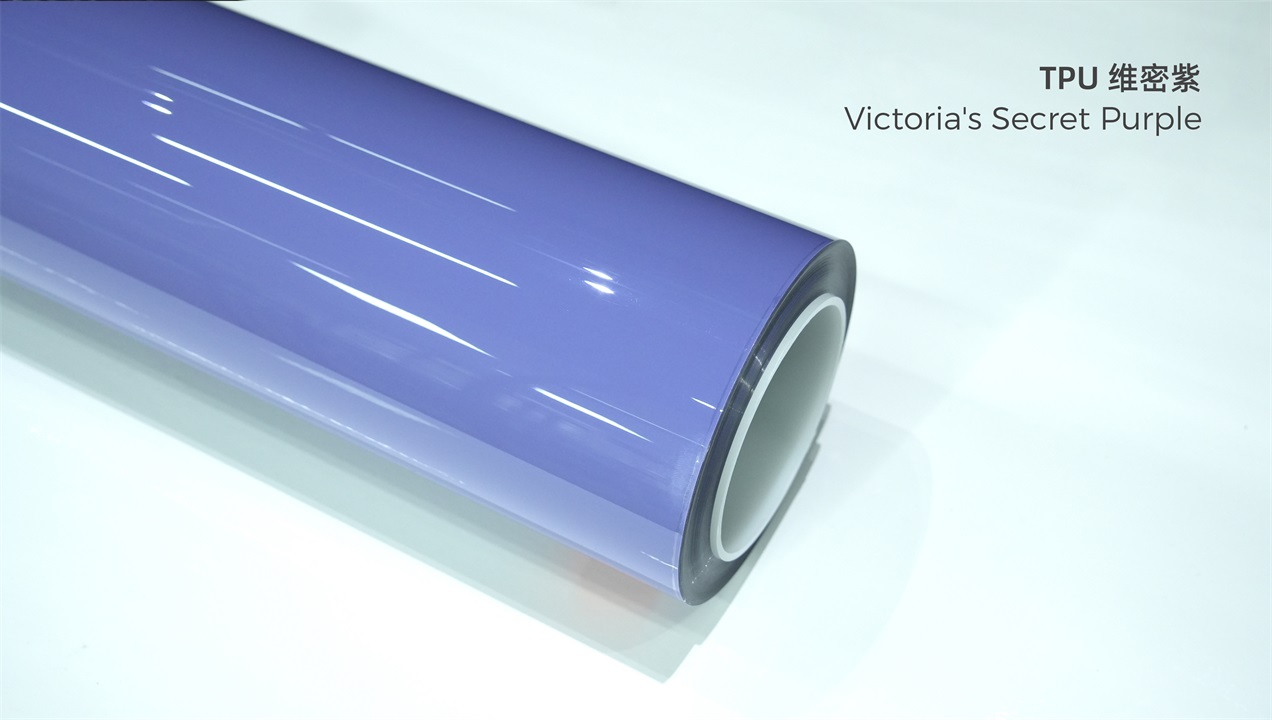
Color cards and PDF catalogs are useful, but they do not show the full selling effect. A small swatch may look premium under studio light, while the same color can appear darker, warmer, cooler or more metallic on a full vehicle. Distributors should ask for both color chart images and real car application photos before deciding which SKUs deserve inventory.
Look for differences between indoor lighting, outdoor sunlight, shadow, curved panels and flat panels. Chameleon colors and metallic colors need even more visual proof because their effect depends heavily on angle and light. If a supplier cannot provide real application photos for popular colors, the distributor may need to test samples locally before ordering more rolls.
Evaluate Photos Like a Buyer, Not Like a Designer
A photo can be attractive but still weak for wholesale decision-making. Good application photos should show the vehicle body line, color transition, surface finish and relationship between highlight and shadow. Over-edited images, dark photos, cropped details and heavy filters are less useful because they hide the real effect of the film.
Ask for photos that show the same color from multiple angles. A front three-quarter view, side view, close body line and outdoor scene can help installers explain the color to end customers. For a distributor website, these photos also support SEO and conversion because buyers can compare real visual outcomes before requesting samples.
Use Application Photos to Plan First Inventory
Application photos are not only marketing material. They help distributors decide which colors should be stocked first. Mature markets may accept bolder colors, while conservative markets may need black, grey, silver, white and subtle metallic colors before chameleon or high-saturation effects.
If the buyer is building a new line, start with a controlled SKU range. Review the guide on choosing the first 20 Color PPF SKUs and combine it with real photo feedback from installers. A small but well-tested range is usually easier to sell than a large color book with no local proof.
Confirm Technical Data Behind the Visual Effect
Color alone is not enough. A supplier should provide technical data for film thickness, TPU layer, top coat, adhesive, gloss, elongation, peel strength, application temperature, storage period and warranty. These values help buyers compare products beyond appearance.
For ELOV Color PPF, the product line is built for wholesale buyers who need clear roll size, MOQ, OEM packaging options and consistent application information. Buyers can also compare clear, matte and color models through the PPF model comparison page before deciding how to position each product family.
Ask for Sample Testing Before Bulk Orders
Even when catalog photos look strong, distributors should test samples. Install a small panel, expose it to outdoor light, check adhesive feel, inspect edge behavior and ask installers whether the color is easy to sell. Sample testing is especially important for metallic, pearl, chameleon, matte and specialty colors.
Use the Color PPF demand testing guide, PPF sample testing checklist and sample order checklist to build a repeatable approval workflow. A strong supplier should support sample orders and explain MOQ clearly before asking for a large commitment.
Review OEM Packaging and Reorder Control
Private label buyers should check whether the supplier can keep the same SKU code across packaging, inner bags, backing logo, carton labels and product pages. If the packaging name does not match the sample board or website name, sales teams may sell one color and reorder another.
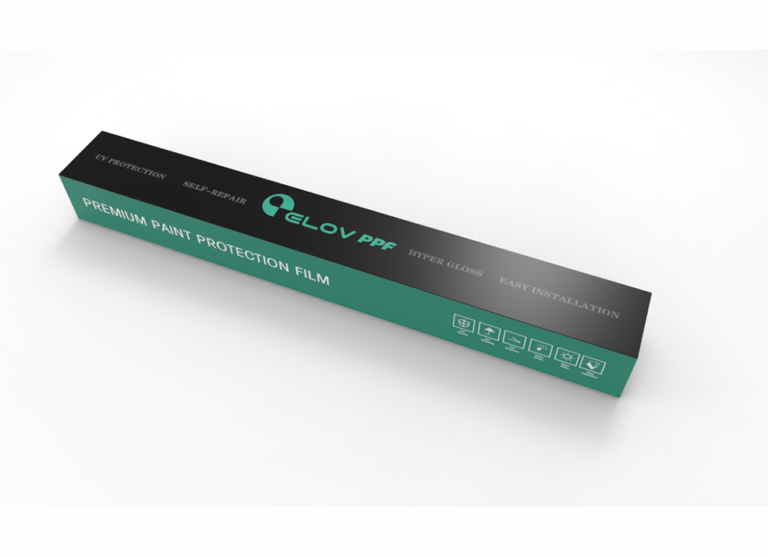
OEM support should include custom box design, inner bag branding, backing liner logo and carton label details. Review OEM PPF packaging, private label packaging checklist and carton label requirements before approving a private label Color PPF program.
Build a Supplier Scorecard
Before placing a wholesale order, give each supplier a simple score. Check SKU system, color chart quality, real application photos, sample availability, technical specifications, batch traceability, packaging support, reorder consistency and communication speed. This turns a visual decision into a business decision.
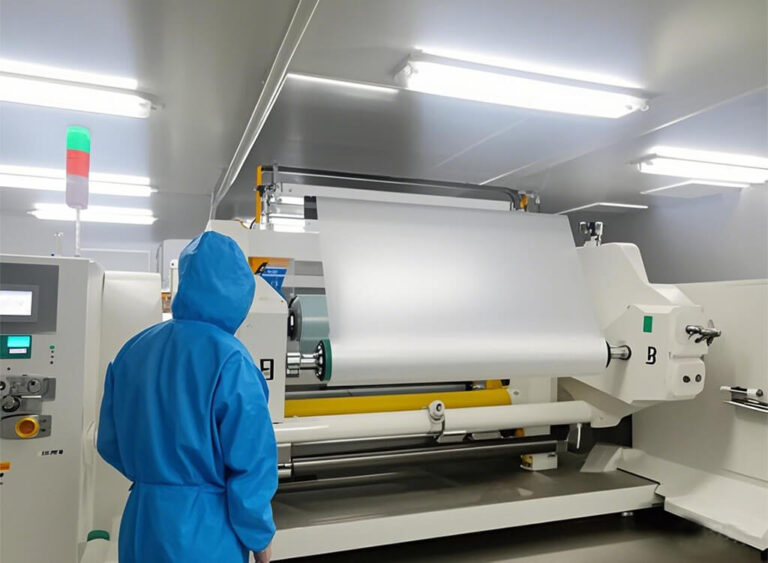
Buyers should also confirm factory capability. Production lines, monthly capacity, export experience, quality control and warranty support matter when a distributor starts to reorder. The PPF factory capabilities page and factory QC checklist can help buyers organize supplier questions before a bulk order.
FAQ
What should buyers check in a Color PPF supplier?
Buyers should check SKU logic, color chart accuracy, real application photos, technical data, sample availability, OEM packaging support, batch traceability, MOQ and reorder consistency.
Why are real application photos important for Color PPF?
Real application photos show how the color looks on a vehicle under actual lighting, curves and body lines. They help distributors choose colors that are easier to sell locally.
Can a color chart replace sample testing?
No. A color chart is useful for screening, but buyers should still test samples on panels or vehicles before bulk orders, especially for metallic, matte and chameleon colors.
How many Color PPF SKUs should a distributor start with?
Many distributors start with a focused range of proven black, grey, silver, white, red, blue, green and selected effect colors, then expand after installer feedback and local demand testing.
Final Thoughts
A strong Color PPF supplier should help buyers reduce uncertainty. Color charts show the range, real application photos show market potential, technical data shows product reliability and OEM packaging support helps build a repeatable brand program.
To evaluate ELOV Color PPF for your market, browse the Color PPF collection, compare Color PPF specifications, or contact ELOV PPF with your target colors, sample quantity, packaging needs and monthly order plan.