How Distributors Can Reduce PPF Warranty Claims
PPF warranty claims are not only a product problem. For distributors, they are a system problem. A claim can come from low-grade film, poor storage, wrong product selection, weak installer guidance, unclear labels, missing batch records or unrealistic sales promises. If these details are not controlled, even a good paint protection film program can become difficult to manage.
This guide explains how distributors, installer networks and private label automotive film buyers can reduce PPF warranty claims before they happen. The goal is to build a repeatable quality system around film selection, storage, installation communication and supplier support.
Coating Tests Help Reduce Warranty Claims
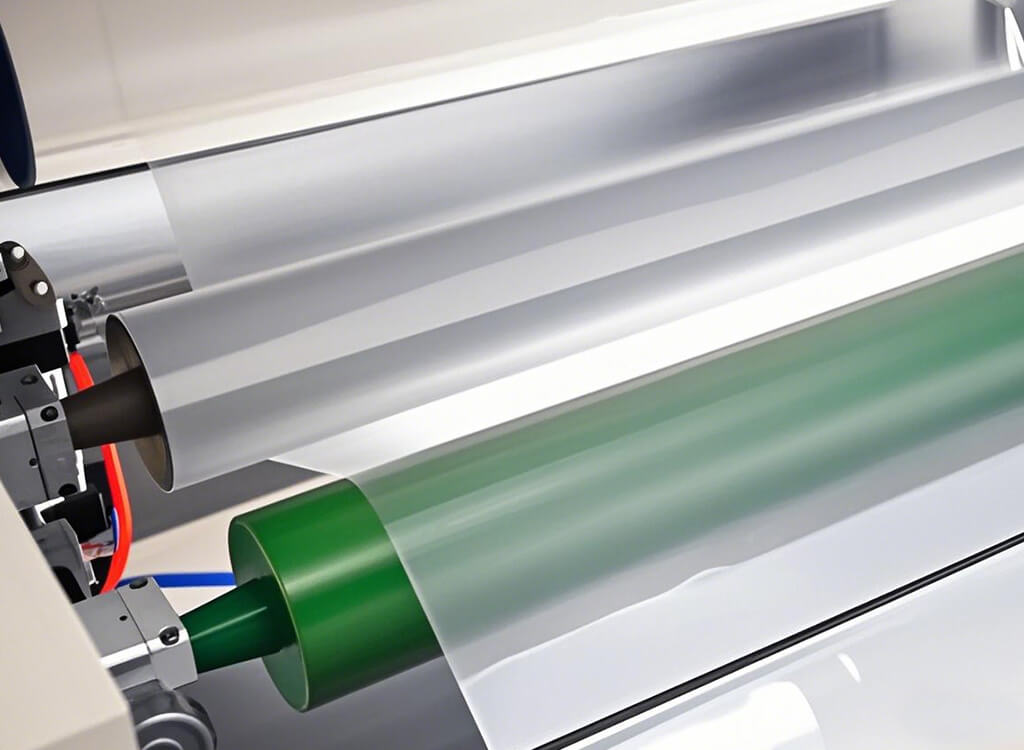
Many PPF complaints begin with surface issues such as swirl marks, poor hydrophobic behavior or unrealistic self-healing expectations. Use the self-healing PPF coating test guide together with batch records and installer training before scaling repeat orders.
PPF Warranty Claim Control Checklist for Distributors
Most PPF warranty disputes become easier to solve when distributors can connect the claim to a model, batch, carton label, storage condition, shipment record and installer feedback. The goal is not only to reject claims; it is to identify whether the issue came from product selection, storage, transport, installation or real material performance.
| Warranty Control Point | What to Record Before a Claim Happens | Related Resource |
|---|---|---|
| Model and specification fit | Match clear, matte or color PPF to the customer’s use case, warranty expectation, thickness and finish before selling. | PPF model comparison / Clear PPF specs / Color PPF specs |
| Sample approval | Keep sample feedback, installer notes and approval photos before repeat wholesale orders or private-label launches. | PPF sample order checklist |
| Factory QC baseline | Understand coating, adhesive, appearance, roll edge and packaging checks so claims can be compared against factory standards. | PPF factory QC checklist |
| Batch traceability | Record batch number, production date, model, roll size, carton number and customer order so repeated issues can be traced quickly. | Batch traceability guide |
| Carton label consistency | Use clear carton labels for model, color or finish, roll size, quantity, batch and private-label information. | PPF carton label requirements |
| Shipping and receiving | Check carton damage, moisture, pressure marks and delivery photos before rolls enter inventory. | PPF roll shipping checklist |
| Roll storage | Control warehouse temperature, pressure, dust, stock rotation and shelf life before installers open the roll. | PPF roll storage guide |
| Installer training | Separate installation contamination, overstretch, edge lifting, wrong cleaning process and film defects with a repeatable training checklist. | PPF installer training checklist |
| Private-label communication | Keep box, inner bag, backing logo and product naming consistent so dealers and installers know exactly which roll is being used. | Private label PPF packaging checklist |
For distributors building a lower-claim PPF supply system, review the ELOV PPF factory capabilities, compare the TPU paint protection film collections, and contact ELOV PPF with your model, market and packaging requirements.
Start With the Right Film for the Right Customer
Many warranty issues begin before installation. A distributor may sell an entry-level film to a buyer who expects premium performance, or recommend the wrong thickness, finish or warranty range for the customer’s market. Clear positioning helps avoid disappointment later.
For example, a premium clear PPF program should focus on long-term clarity, hydrophobic performance, self-healing and yellowing resistance. A color PPF program should also consider color stability, surface finish and removable adhesive behavior. A matte PPF program needs clear expectations around surface effect and maintenance.
Before building a product line, compare the Clear PPF specifications, Color PPF specifications and PPF model comparison pages so your sales team understands the difference between models.
Build Warranty Language Around Real Product Data
A warranty promise should match the film model, usage environment and supplier support. If sales materials promise too much, the distributor may face claims that are difficult to defend. Keep warranty communication practical: define product series, warranty range, proper installation conditions and basic maintenance expectations.
This is especially important for private label buyers. If the box, website and sales sheet all use different language, installers may receive mixed messages. Align your product page, packaging label and sales training around the same model data.
Control Storage Before the Roll Reaches the Installer
Storage conditions can affect the final installation experience. PPF rolls should be kept clean, dry and away from direct sunlight, high heat and dusty areas. Rolls should remain in original packaging until inspection, cutting or shipment. Opened rolls should be resealed and separated from unopened stock.
Distributors should also rotate inventory using first-in, first-out logic. This keeps stock moving and reduces the chance of forgotten rolls being shipped months later without proper inspection. For a deeper checklist, use the PPF roll storage and shelf life guide.

Train Installers on Common Claim Triggers
Some warranty complaints are caused by installation or maintenance rather than film defects. Dust under the film, overstretching, contaminated panels, wrong slip solution, edge lifting from poor cleaning or aggressive post-install washing can all create disputes.
Distributors do not need to become installation schools, but they should give installers basic product notes. These notes can include storage tips, roll handling, surface preparation, recommended application conditions and a short reminder that each film type has different behavior.
Keep Batch Records and Product Labels Clear
When a claim happens, traceability matters. A distributor should know which model, batch, roll and shipment are involved. Without this information, it is difficult to separate a real material issue from storage, handling or installation problems.
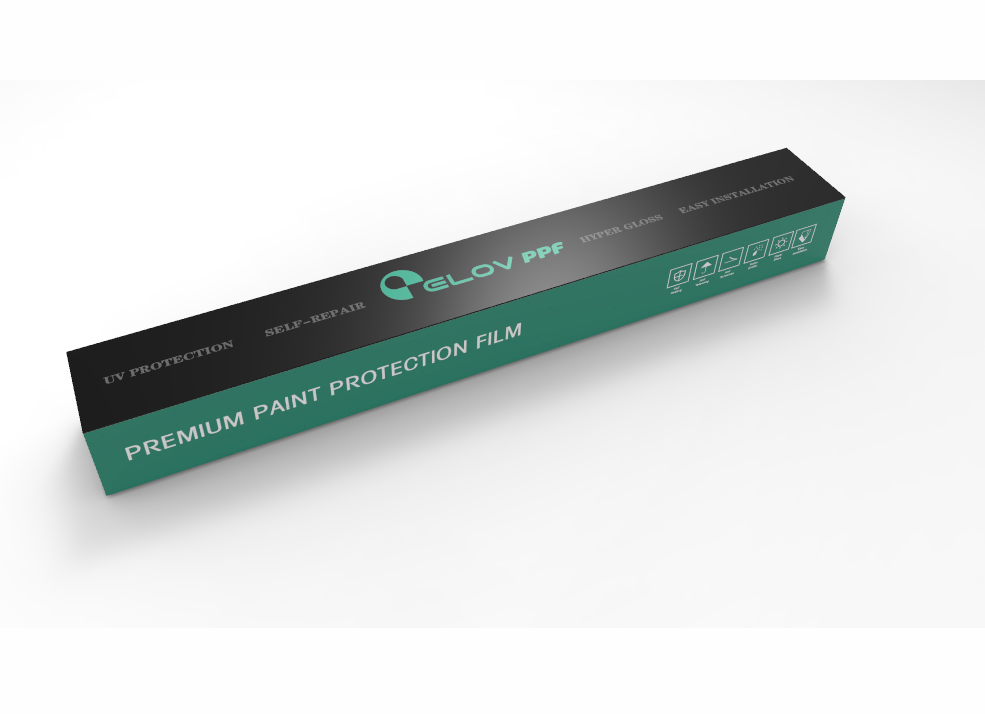
Use labels that show model code, roll size, batch, film type and finish. For Color PPF, include color name and color code. If you sell private label film, the same structure should appear on the box, inner bag, backing liner and internal order records.
ELOV supports custom packaging boxes, inner bags and backing liner logo options. Buyers planning a private label system can review OEM PPF packaging and the private label PPF packaging checklist.
Use Samples Before Scaling a New Product Line
Samples are one of the simplest ways to reduce warranty risk. Before ordering a large quantity, distributors should test film appearance, installation feel, coating behavior, adhesive response and customer feedback. This is especially useful when entering a new climate, launching Color PPF or building a private label product range.
ELOV supports sample evaluation and low MOQ programs for selected products. The PPF sample and MOQ ordering guide explains how buyers can test products before scaling into repeat wholesale orders.
Create a Simple Claim Review Workflow
A clear review workflow prevents emotional disputes. Ask for photos, installation date, vehicle surface condition, film model, batch information, storage history, installer notes and maintenance details. This does not mean every claim is rejected. It means every claim is reviewed with useful facts.
Over time, the records will show patterns. If multiple claims come from one model, one batch, one installer group or one storage location, the distributor can take action faster. This is how warranty data becomes a business improvement tool.
Work With a Factory That Can Support Repeat Quality
A distributor can reduce claims internally, but supplier quality still matters. Choose a factory that can explain TPU material, coating, adhesive, testing, production capacity and OEM support. A stable supplier helps you build consistent expectations across clear, matte and color PPF categories.
ELOV PPF Technology Co., Ltd was established in 2013 and supports wholesale buyers with 10 PPF-related lines, stable monthly Clear PPF capacity of 50,000 rolls, sample supply and OEM/ODM packaging. You can learn more from PPF factory capabilities and PPF manufacturing process.
FAQ
What causes most PPF warranty claims?
Common causes include poor film selection, unclear warranty promises, bad storage, installation contamination, overstretching, edge lifting, weak batch records and unrealistic customer expectations.
How can distributors reduce PPF warranty risk?
Distributors can reduce risk by choosing stable film models, using clear product labels, storing rolls correctly, testing samples, training installers and keeping batch records for every shipment.
Are all PPF warranty issues caused by the factory?
No. Some issues are material-related, but many come from storage, handling, installation or maintenance. A good claim process reviews all factors before deciding the cause.
Can OEM packaging help with warranty control?
Yes. Custom packaging and labels can show model code, roll size, batch and product type, making it easier to trace orders and reduce product confusion.
Final Thoughts
Reducing PPF warranty claims is about building a complete system. Choose the right film, set realistic warranty language, protect rolls during storage, guide installers, track batches and work with a supplier that can support repeat quality. To discuss clear, matte or color PPF options for your market, contact ELOV PPF for samples and wholesale support.