PPF Factory QC Checklist for Wholesale Buyers
For wholesale buyers, choosing a paint protection film supplier is not only about price. A strong PPF factory should be able to control raw material selection, coating stability, adhesive performance, thickness tolerance, roll inspection, packaging quality and repeat supply. If these details are not checked before the first bulk order, the buyer may face installer complaints, inconsistent batches, slow claims handling or weak brand trust.
This PPF factory QC checklist is written for distributors, importer brands, installer chains and private label buyers who need a practical way to evaluate a supplier before scaling clear, matte or color PPF orders.
Self-Healing Coating Tests for PPF QC
When checking factory QC, wholesale buyers should also test coating recovery, hydrophobic behavior and surface consistency. Use the self-healing PPF coating test guide to connect sample testing with coating inspection, batch records and warranty-risk control.
QC Links to Shipping and Carton Control
Factory QC should continue into export packing, carton labeling and receiving checks. After checking coating, adhesive, surface and roll appearance, wholesale buyers should also review the PPF roll shipping checklist and PPF carton label requirements so each inspected roll can be matched to the correct model, batch and carton after delivery.
1. Confirm Factory Capability and Repeat Supply
The first QC question is whether the supplier can support stable repeat orders. A buyer may receive a good sample, but the real test is whether the same performance can be repeated in future rolls. Ask about factory history, production lines, monthly capacity, material sourcing, stock planning and export experience.
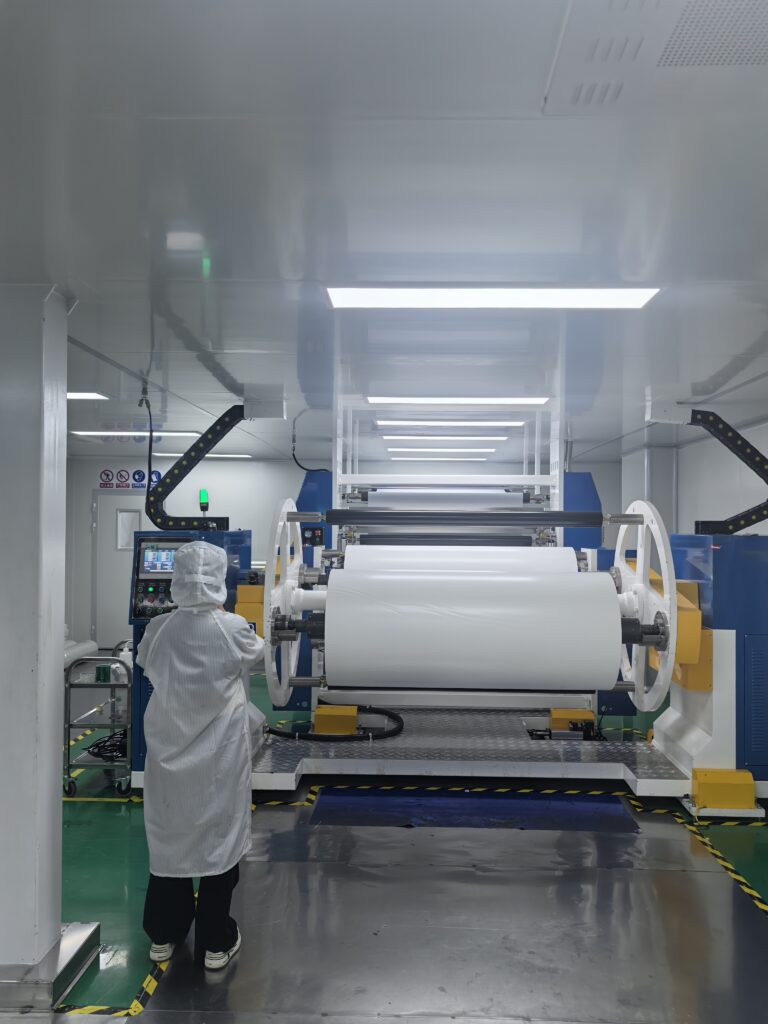
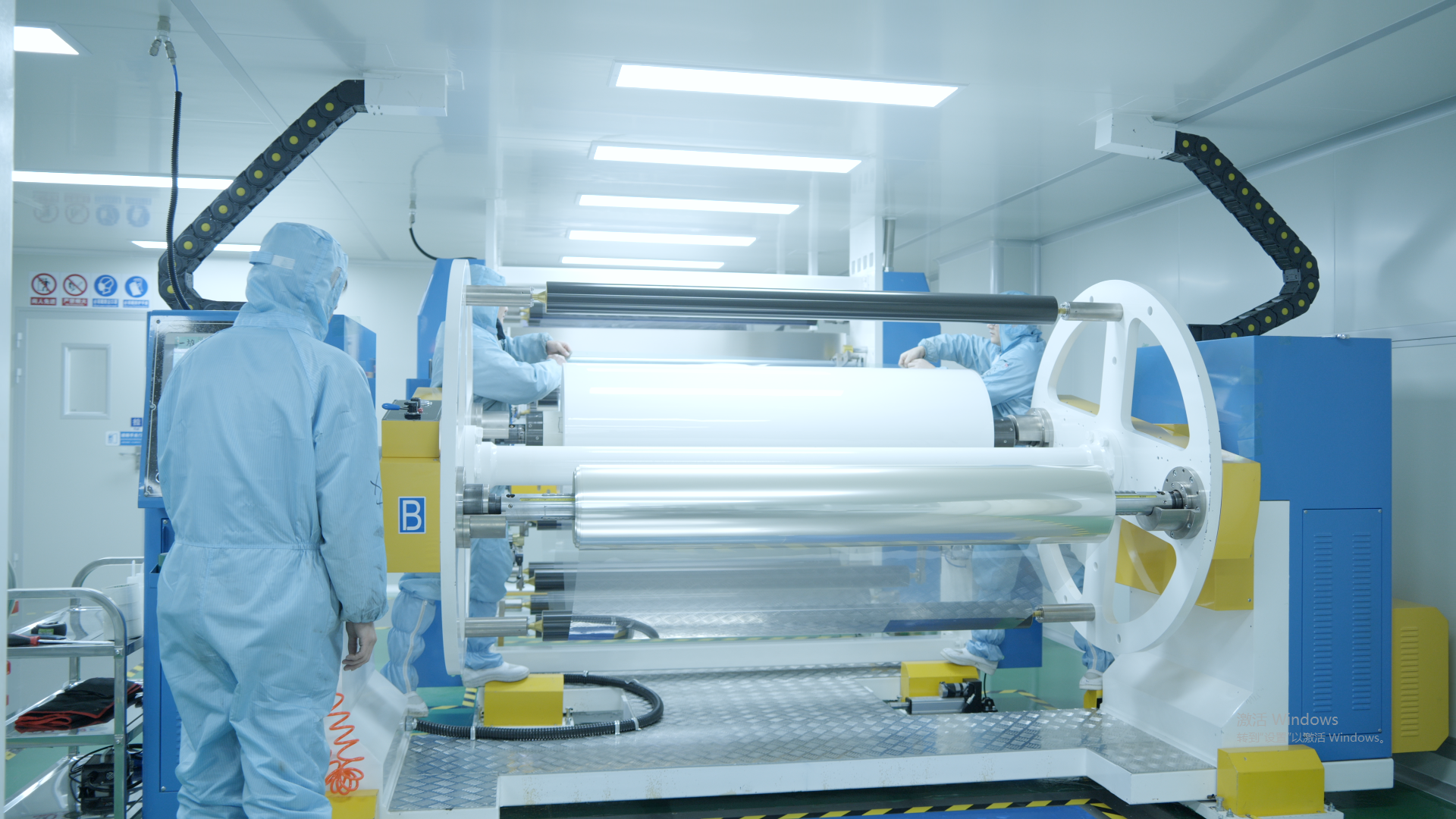
ELOV PPF Technology Co., Ltd was established in 2013 and operates a large-scale production base with a self-owned 96,000 sqm site, 73,000 sqm production area and 10 PPF-related lines. Stable monthly capacity is 50,000 Clear PPF rolls, 10,000 Matte PPF rolls and 5,000 Color PPF rolls. These details matter because distributors need predictable supply, not only attractive catalog photos.
For a deeper look at production capability, review the paint protection film manufacturing page and the PPF factory capabilities overview.
2. Check TPU Material Source
TPU is one of the most important quality factors in PPF. Wholesale buyers should ask what type of TPU is used, whether the material is aliphatic TPU and whether the supplier can explain the difference between regular and premium film structures. Material choice affects clarity, yellowing resistance, flexibility, durability and warranty positioning.
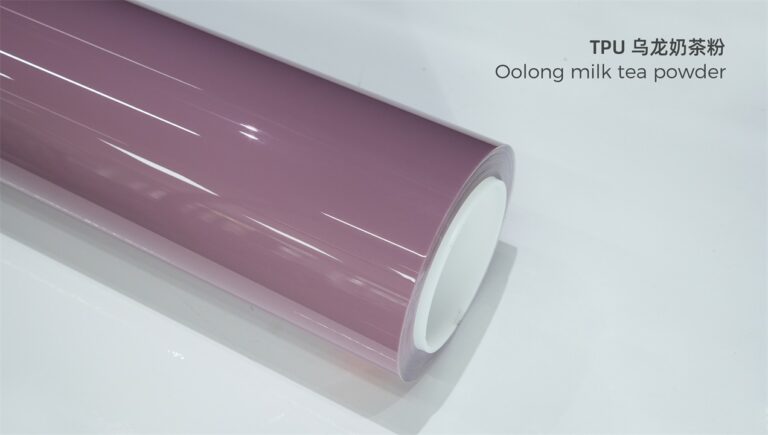
For clear PPF, matte PPF and selected color PPF lines, the buyer should confirm model-level material data instead of accepting one general claim for the entire catalog. Use the Clear PPF specifications and Color PPF specifications pages to compare model information before placing trial or bulk orders.
3. Review Coating Performance
The coating layer influences gloss, stain resistance, hydrophobic behavior, scratch recovery and long-term surface feel. A supplier should be able to explain coating type, self-healing temperature behavior and testing logic. Buyers should not rely only on short videos. Ask how the coating performs after installation, washing and outdoor use.
During sample testing, check whether small scratches recover under heat, whether water beads consistently and whether the film surface remains smooth after handling. These simple checks help distributors decide which model should become a mainstream SKU and which model should be positioned as premium.
4. Test Adhesive and Installation Behavior
Adhesive quality affects installer confidence. A film may look clear and glossy but still cause problems if adhesive tack is unstable, repositioning is difficult or edges lift after installation. Wholesale buyers should test tack, repositioning, stretch behavior, adhesive marks and edge stability on real vehicle panels.
Ask installers to compare each model using the same method. Record stretch, slip solution response, final adhesion and edge behavior. A good supplier should welcome structured installer feedback because it helps match the right product to the right market.
5. Verify Thickness and Roll Consistency
Film thickness must be consistent because it affects protection level, installation feel and customer expectations. Buyers should confirm the stated thickness range and compare roll samples with product specifications. If the supplier offers multiple models, each model should have clear positioning rather than confusing claims.
The PPF thickness guide for wholesale buyers explains how thickness relates to protection, installer handling and product tier planning. Use this information together with model pages when choosing your first wholesale order.
6. Ask About Inspection Workflow
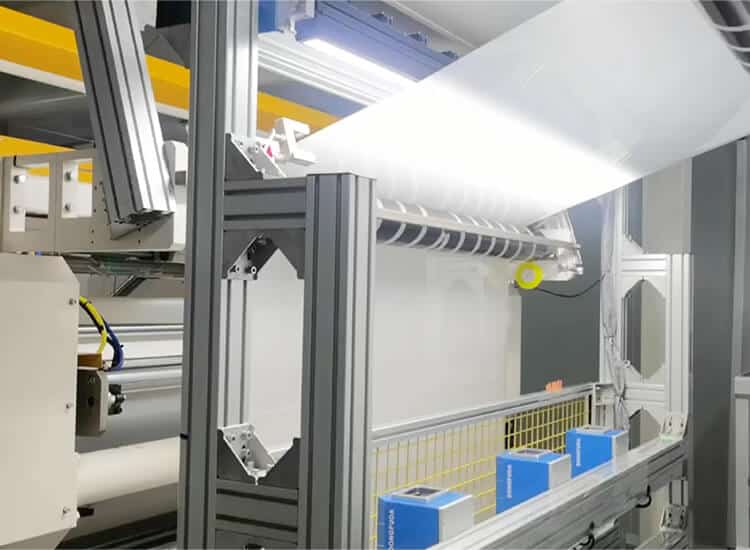
A serious PPF factory should inspect more than final packaging. Quality control should include raw material review, production monitoring, coating inspection, thickness checks, roll surface inspection and final packing checks. The goal is to reduce problems before the roll reaches the distributor.
Ask whether the factory uses visual inspection, equipment inspection, batch records and roll labeling. Buyers should also ask how quality issues are traced. Traceability is especially important for importer brands and installer networks because claims must be handled quickly and clearly.
7. Compare Warranty Logic With Real Product Tiers
Warranty should match product performance, not only marketing language. ELOV provides a 5-10 year warranty for Clear PPF depending on model, 10 years for Matte PPF and 5 years for Color PPF, starting from installation. Request the written policy for coverage, exclusions and claim documentation. Wholesale buyers should confirm the warranty term for each model and connect it with TPU material, coating, thickness and target customer type.
If a market has many entry-level installers, a balanced model may be more practical than the highest-specification product. If a market sells premium installations, warranty and testing documents become more important for dealer confidence.
8. Include Packaging in the QC Process
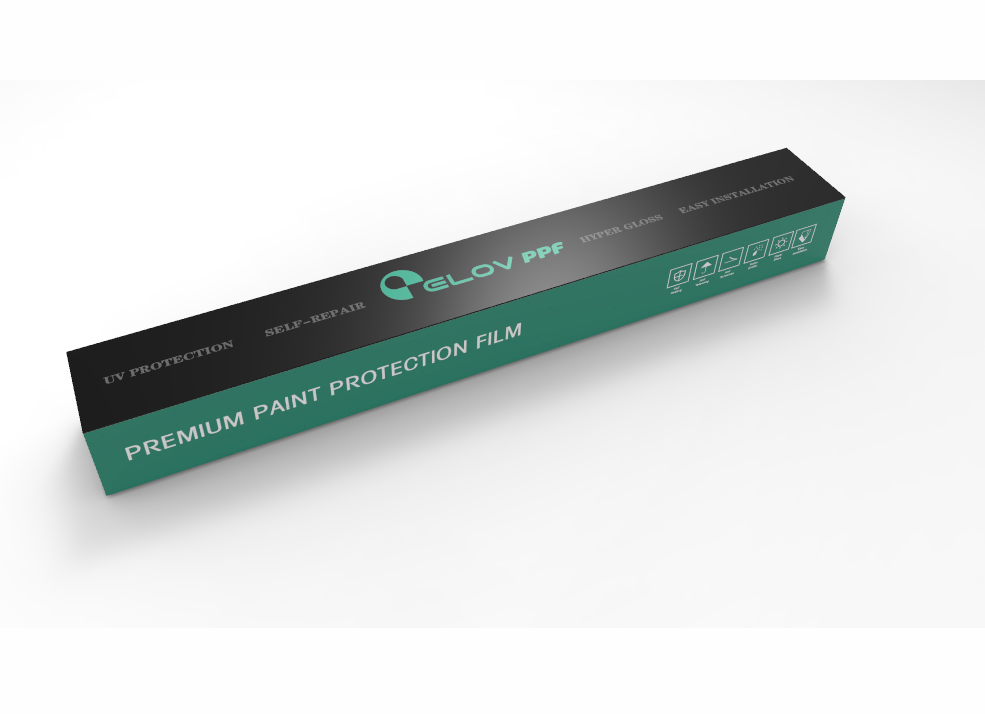
Private label buyers often focus on film performance first and packaging later. This can create problems. Packaging, label details, model names, backing liner logo and box quality should be checked before the first larger OEM/ODM order. A good product can still feel unprofessional if packaging is inconsistent.
ELOV supports custom brand packaging boxes, inner bags and backing logo customization. Review OEM PPF packaging and the private label PPF packaging checklist when planning branded PPF orders.
9. Use Samples Before Bulk Orders
A factory audit should be connected to real product testing. Before a larger order, buyers should request sample rolls, prepare an installer evaluation sheet and compare model performance under the same installation conditions. This gives the buyer evidence before committing to deeper inventory.
The PPF sample order checklist and PPF sample and MOQ ordering pages can help buyers plan a safer path from sample testing to wholesale purchasing.
Practical QC Checklist for PPF Buyers
For each checkpoint below, record the model, batch, date, inspection method, agreed acceptance criteria, result and reviewer. Mark unresolved items as pending and request evidence before approving a bulk order. Keep an approved sample and installer feedback with the order record.
- Confirm factory scale, production lines and repeat supply ability.
- Check TPU type and model-level material information.
- Review coating performance, self-healing and hydrophobic behavior.
- Test adhesive tack, repositioning, stretch and edge stability.
- Verify thickness range and roll consistency.
- Ask about inspection equipment, batch tracking and quality records.
- Match warranty term with product tier and market positioning.
- Review packaging, labels, backing logo and private label details.
- Run sample tests before placing bulk orders.
- Document feedback from installers and sales teams.
FAQ
What should wholesale buyers check first when choosing a PPF factory?
Start with factory capability, material source, model-level specifications, inspection workflow and sample testing. These factors show whether the supplier can support stable repeat orders.
Why is TPU material important for PPF quality control?
TPU affects clarity, flexibility, yellowing resistance, durability and installation performance. Buyers should confirm TPU information for each model instead of relying on a general catalog claim.
Should OEM packaging be included in PPF QC?
Yes. For private label buyers, packaging quality, model names, labels, backing logo and box details directly affect brand trust and dealer presentation.
Can a buyer evaluate PPF quality with samples only?
Samples are important, but they should be combined with factory capability checks, technical specifications, inspection workflow and repeat supply planning.
Final Thoughts
A PPF factory QC checklist helps buyers move from guesswork to evidence. The best supplier is not only the one with a low price, but the one that can repeat quality, support installers, provide clear model data and help your brand grow with fewer supply risks. To evaluate ELOV clear, matte or color PPF for your market, explore the PPF collection or contact ELOV PPF for sample and wholesale support.