Self-Healing PPF Coating Test Guide for Wholesale Buyers
Self-healing is one of the most important selling points in paint protection film, but wholesale buyers should not accept the claim without testing it. A good self-healing PPF coating should recover light swirl marks, maintain surface gloss, support hydrophobic behavior and stay consistent from sample order to bulk production.
For distributors, installer chains and private label buyers, coating performance is directly connected to customer satisfaction. If the surface coating scratches too easily, loses water behavior, stains quickly or heals inconsistently, the film may create complaints even when the TPU base layer looks acceptable. This guide explains how to evaluate self-healing PPF coating before placing larger wholesale orders.
What Is a Self-Healing PPF Coating?
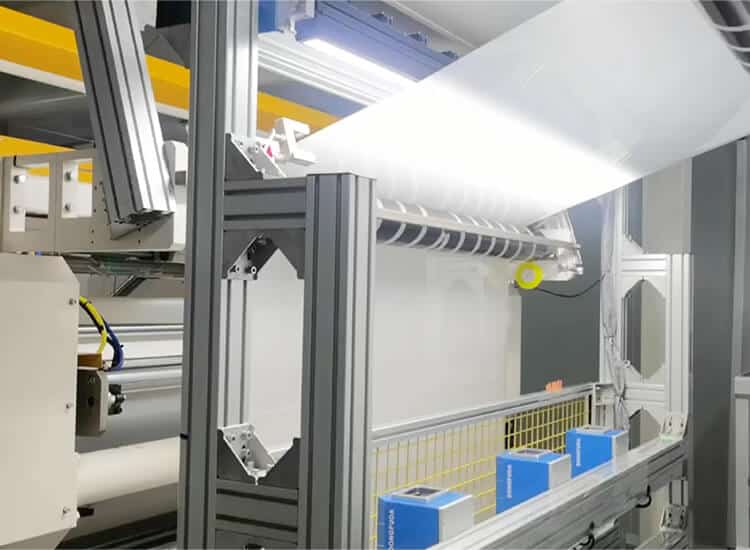
The self-healing layer is the top functional coating of paint protection film. It is designed to recover from light surface marks when exposed to warmth, sunlight or controlled heat. It also affects gloss, stain resistance, hydrophobic behavior and daily cleaning feel.
Self-healing does not mean the film repairs deep cuts or severe damage. It is mainly for light swirl marks, towel marks and minor surface scratches. Wholesale buyers should explain this clearly to installers and dealers so the final customer understands the realistic performance range.
Before comparing models, buyers can review the PPF model comparison, Clear PPF specifications and Color PPF specifications to connect coating behavior with film thickness, TPU source, adhesive and warranty tier.
Why Coating Testing Matters for Wholesale Buyers
Many buyers focus first on roll price, thickness and warranty years. Those are important, but coating quality often determines the installer’s daily experience. A film that looks good in photos may still be difficult to sell if the surface marks easily, heals slowly or does not maintain hydrophobic behavior after installation.
Coating consistency also matters for private label programs. If one batch performs well and the next batch feels different, installers may lose confidence in the brand. This is why coating testing should be part of the sample approval process, not an afterthought.
Basic Self-Healing Test Method
A practical self-healing test starts with a clean sample panel. Apply the film correctly, allow the adhesive to settle, then create light surface marks using a controlled method. Buyers should avoid aggressive tools that create deep cuts because those do not represent normal self-healing claims.
| Test step | What to check | Buyer note |
|---|---|---|
| Visual surface check | Gloss, clarity, coating uniformity and visible defects | Record sample photos before testing. |
| Light scratch test | Recovery of towel marks or light surface lines | Use the same method on each model. |
| Warmth exposure | Healing speed under sunlight or mild controlled heat | Avoid overheating the film. |
| Hydrophobic test | Water beading and easy-clean behavior | Compare before and after light abrasion. |
| Installer feedback | Stretch, squeegee feel, edge behavior and surface marking | Ask installers to test real panels. |
Keep notes for each model and batch. A simple test sheet helps buyers compare clear PPF, matte PPF and color PPF without relying only on supplier claims.
Hydrophobic Behavior and Stain Resistance
Hydrophobic behavior is not the same as self-healing, but both are controlled by the surface coating. A strong coating should make cleaning easier and help water bead on the surface. Buyers should test water behavior before installation, after installation and after light cleaning.
Stain resistance should also be checked in a realistic way. Bug residue, road dirt, rain marks and improper cleaning chemicals can affect the surface over time. For wholesale buyers, the key question is not whether one sample looks good for one day. The key question is whether the coating can support repeat sales and lower after-sales risk in the target market.
Connect Coating Tests with Factory QC
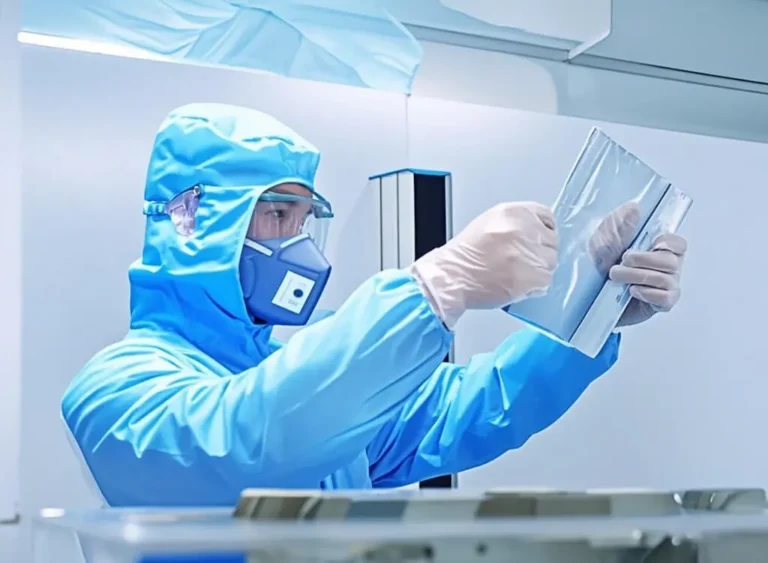
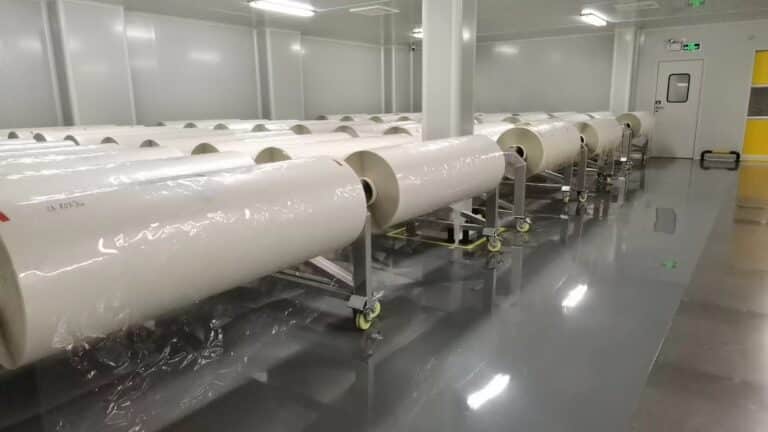
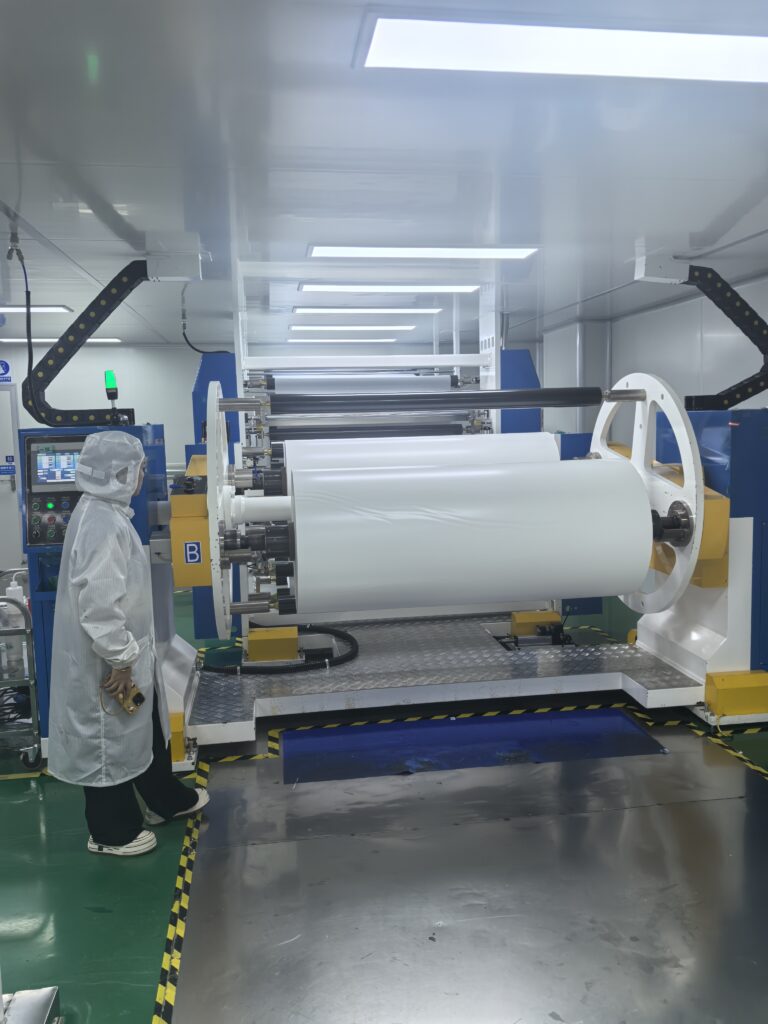
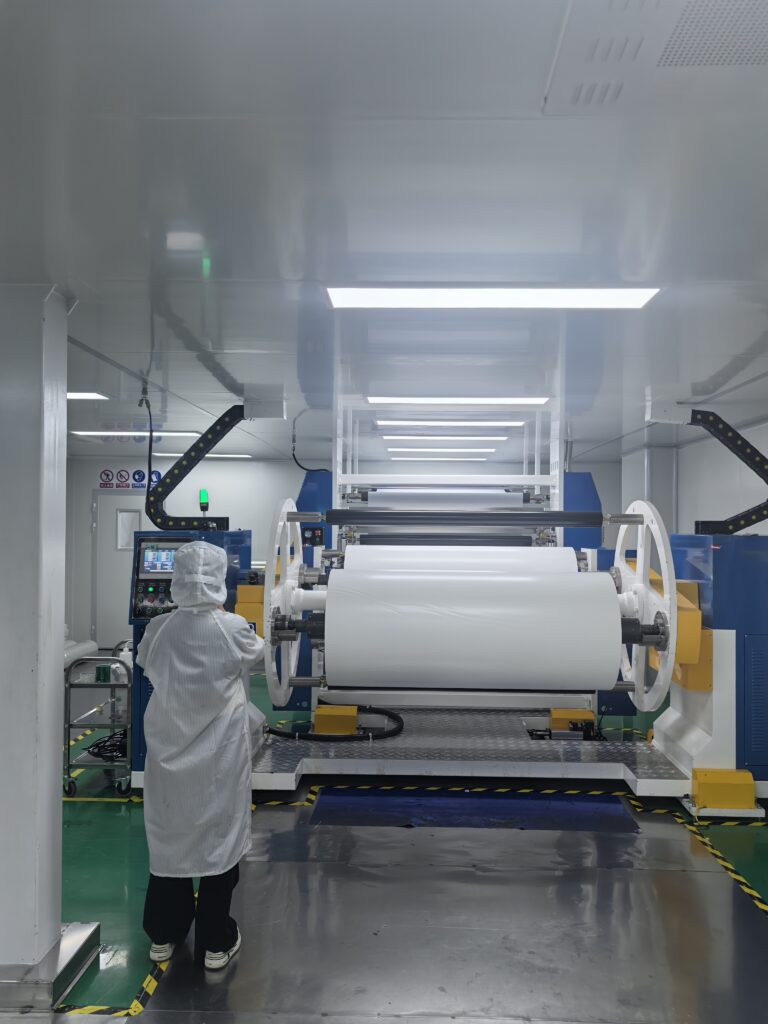
Self-healing coating quality depends on both formulation and production control. Buyers should ask how the factory checks coating uniformity, surface defects, thickness consistency, adhesive stability and batch traceability. This is especially important when ordering under a private label brand.
Use the PPF factory QC checklist, PPF industry standards guide and batch traceability guide to build a more complete approval process.
How Coating Performance Affects Warranty Claims
Warranty problems are not always caused by the TPU base layer. Some claims start with surface complaints: poor gloss retention, visible swirl marks, staining, weak hydrophobic behavior or inconsistent healing. If installers cannot explain the coating’s realistic limits, customers may expect the film to repair damage that no PPF can repair.
Distributors can reduce risk by training installers, setting correct customer expectations, tracking batch numbers and keeping sample test records. For a deeper process, review how distributors can reduce PPF warranty claims.
Private Label Buyers: Test Before Packaging
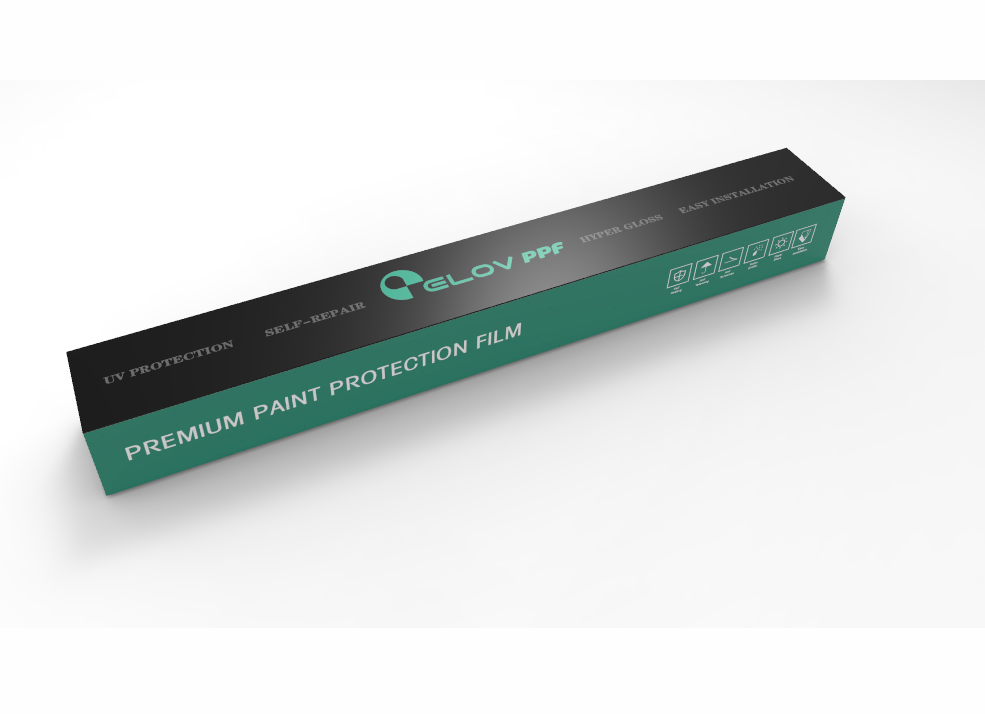
Private label buyers often want to move quickly into branded packaging. That is understandable, but coating approval should come before large packaging investment. First confirm model choice, coating behavior, installer feedback and warranty position. Then prepare brand boxes, inner bags, carton labels and backing liner logos.
For packaging planning, use the OEM PPF packaging, private label packaging checklist and carton label requirements.
FAQ
Can self-healing PPF repair deep scratches?
No. Self-healing PPF is designed for light surface marks and swirl marks. Deep cuts, torn film or severe damage usually require film replacement.
How should wholesale buyers compare coating quality?
Compare gloss, light scratch recovery, hydrophobic behavior, stain resistance, installer feedback, batch consistency and factory QC records.
Is hydrophobic performance part of self-healing?
It is related to the surface coating, but it is a separate behavior. A good top coating should support both scratch recovery and easier cleaning.
Should I test coating before ordering private label PPF?
Yes. Buyers should approve coating performance, installer feedback and warranty position before investing in branded packaging and repeat bulk orders.
Final Thoughts
A self-healing PPF coating test helps buyers move beyond marketing claims. By checking scratch recovery, hydrophobic behavior, stain resistance, installer feedback and factory QC, distributors can choose a film that is easier to sell and easier to support after installation.
ELOV PPF supplies clear, matte and color TPU paint protection film for wholesale, OEM and private label buyers. To compare models, request samples or prepare a coating test plan, explore the ELOV TPU PPF collection or contact ELOV PPF.