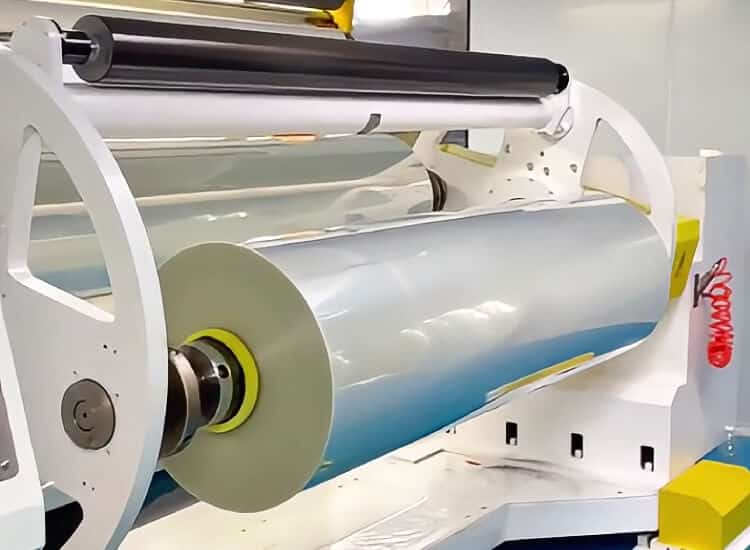
How to Test PPF Samples Before Bulk Orders: Wholesale Buyer Checklist
PPF sample testing before bulk orders is one of the most important steps for wholesale buyers, distributors and private label automotive film brands. A product page can show film thickness, TPU material, coating and warranty, but the real decision should be made after sample inspection, installation feedback and factory proof are reviewed together.
This checklist explains how to test paint protection film samples before placing a larger order. It is written for buyers who need repeat supply, installer confidence and fewer quality complaints, not only a low roll price.
Why Sample Testing Matters Before Bulk Orders
Wholesale PPF buying is not the same as buying a single retail roll. A distributor may need to support installers, manage warranty expectations, prepare private label packaging and reorder the same model again later. If a sample is approved too quickly, small issues can become expensive after the first container or large batch arrives.
Sample testing helps buyers check whether the film matches the intended market position. A premium clear PPF program should show strong clarity, coating feel, hydrophobic behavior and installer confidence. A color PPF or matte PPF program should also confirm surface effect, color stability and customer-facing appearance.
Start with the Product Position
Before testing any PPF sample, define the product position. Are you building a premium clear PPF line, a cost-controlled installer product, a color PPF collection or an OEM private label program? The answer changes what you should test first.
For example, a buyer comparing clear TPU PPF models can review the PPF model comparison and Clear PPF specifications. A color PPF distributor should also review the Color PPF collection and Color PPF specifications. The sample test should match the product line you actually plan to sell.
Check Clarity, Surface and Coating Feel
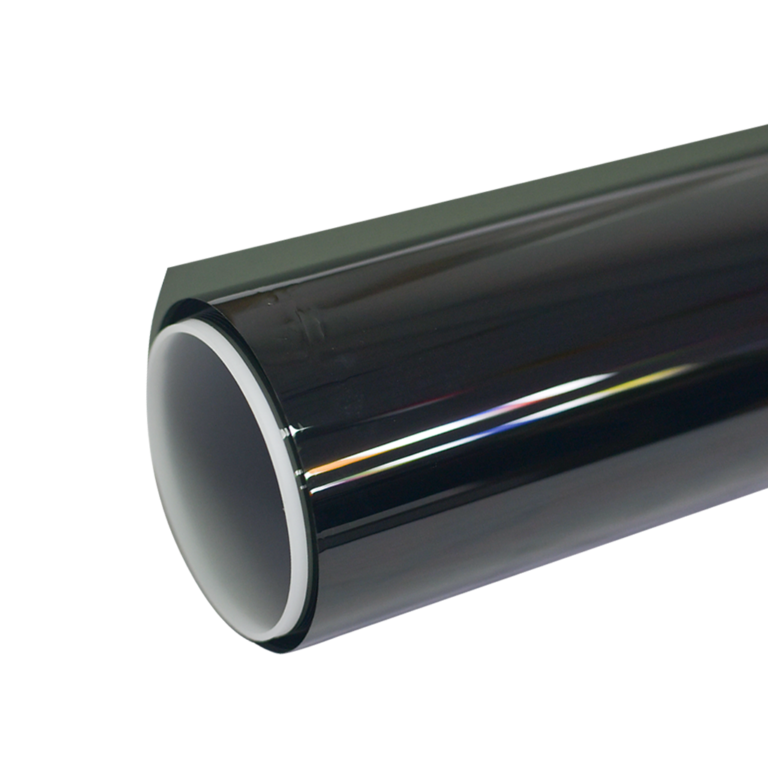
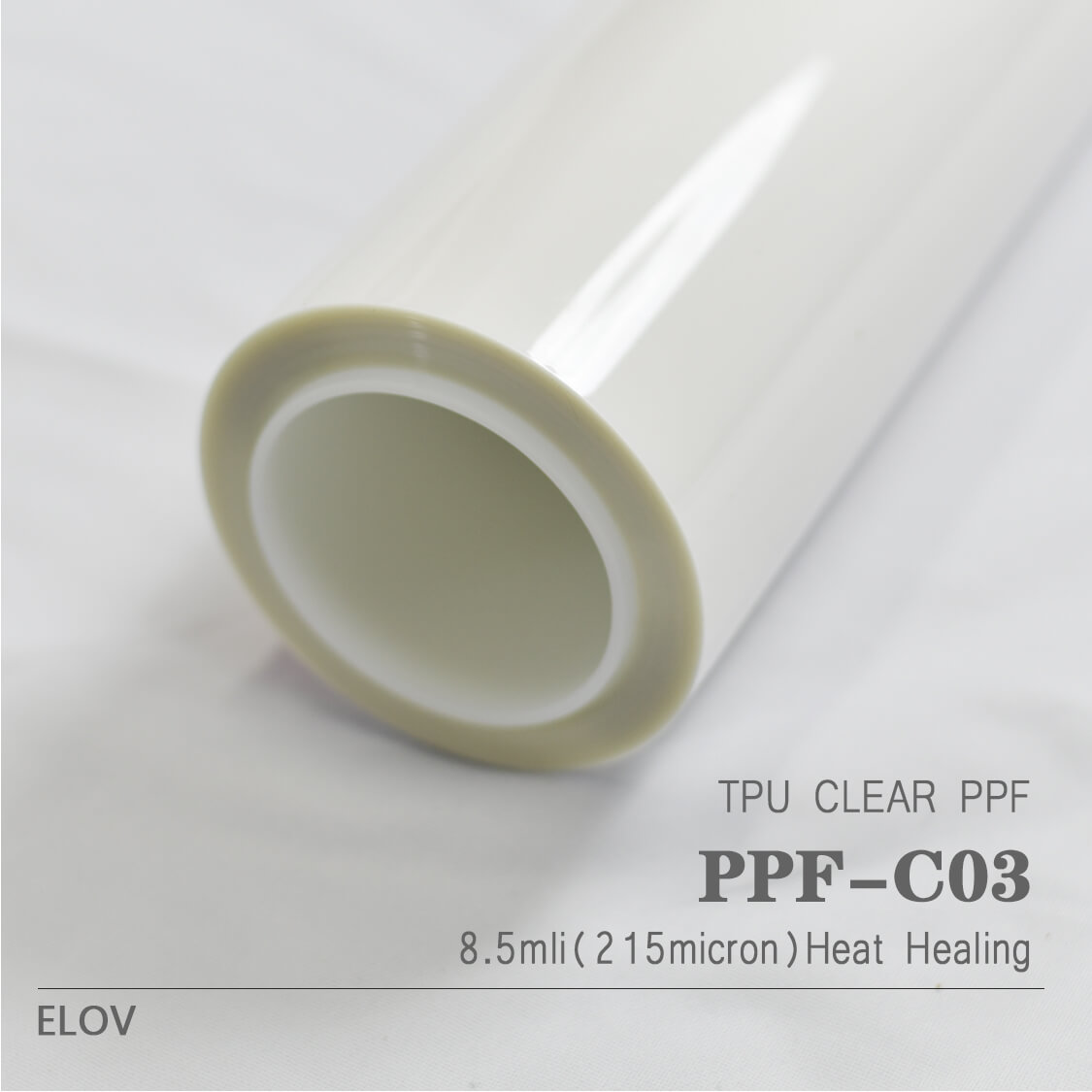
For clear paint protection film, optical clarity is a basic requirement. Place the sample on dark paint, light paint and a curved panel if possible. Check haze, orange peel, gloss, surface smoothness and whether the film looks clean under daylight and workshop lighting.
Coating feel is also important. Buyers should check whether the surface feels smooth, whether water beads evenly and whether fingerprints or marks are easy to clean. If the product claims self-healing performance, test the sample according to the supplier’s recommended method and record the result with photos or short videos.
Test Adhesive and Installation Behavior
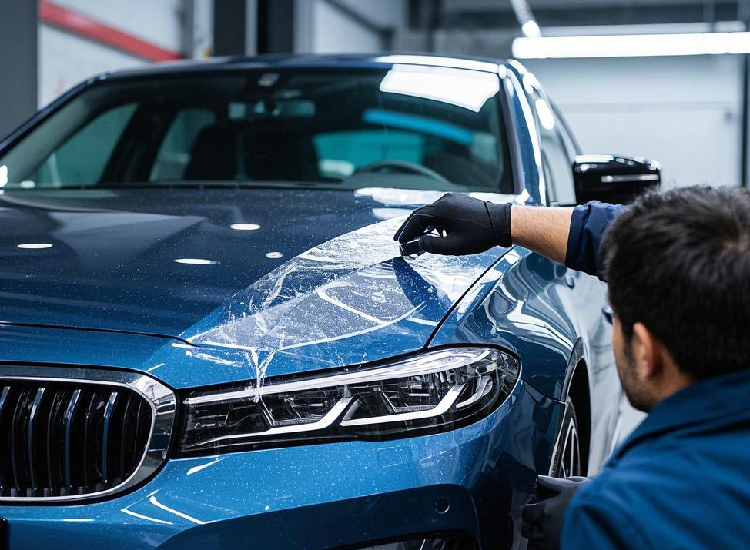
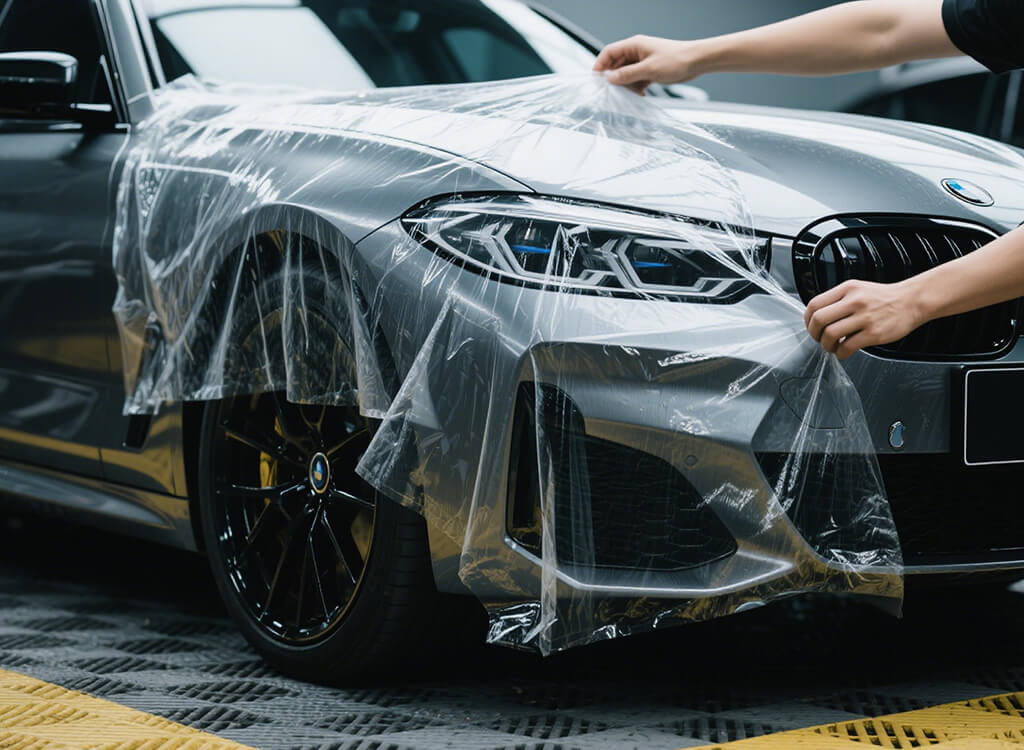
Many wholesale complaints start during installation, so adhesive behavior should never be ignored. Give the sample to an installer who works with real vehicles, not only a desk reviewer. Ask them to test repositioning, tack, stretch, edge holding, water evacuation and removal behavior.
The installer should record the vehicle panel, room temperature, slip solution, installation time and final appearance. A film that looks good in a small flat sample may be difficult on bumpers, mirrors, edges or compound curves. Use the installer training checklist to make feedback more consistent.
Compare Sample Results with Factory QC Proof
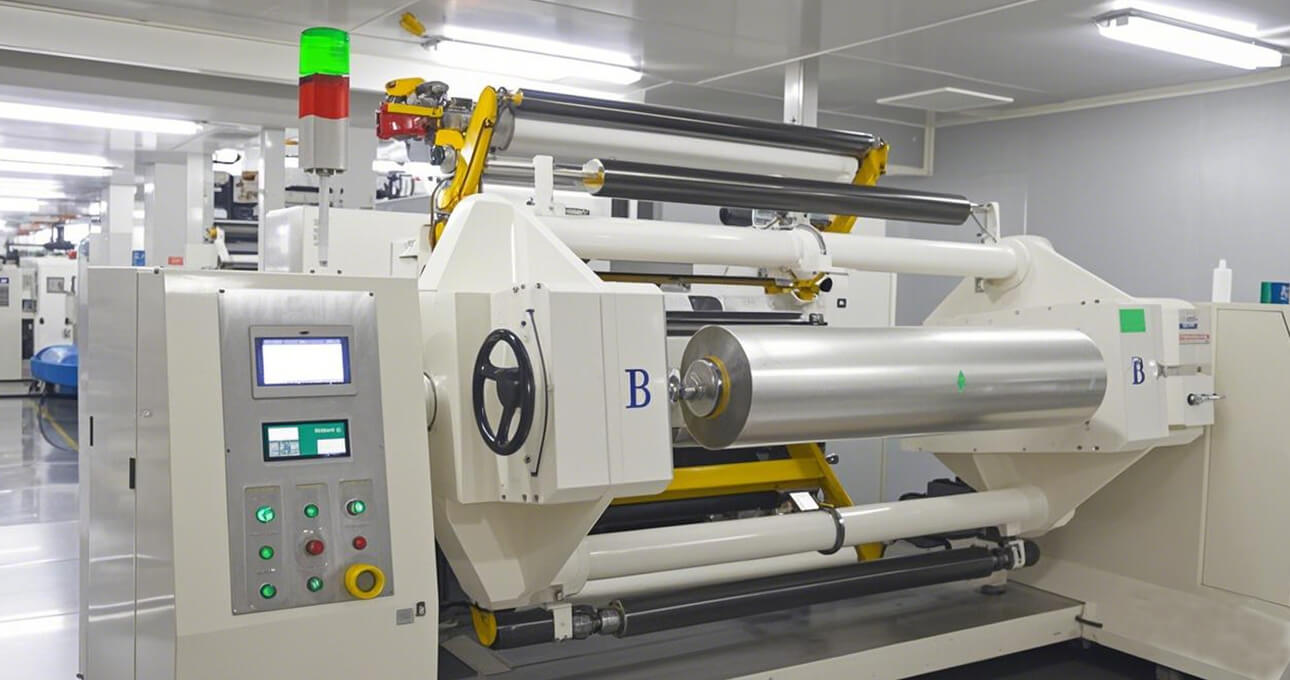
A good sample is useful, but buyers should also ask how the factory controls repeat production. Request QC proof such as thickness checks, coating inspection, roll inspection, batch records and carton label details. This is especially important if the buyer plans to build a long-term OEM or private label program.
Use the PPF factory QC checklist, batch traceability guide and paint protection film manufacturing guide together. The goal is to connect sample approval with the same manufacturing and QC process used for bulk rolls.
Test Packaging and Label Requirements Early
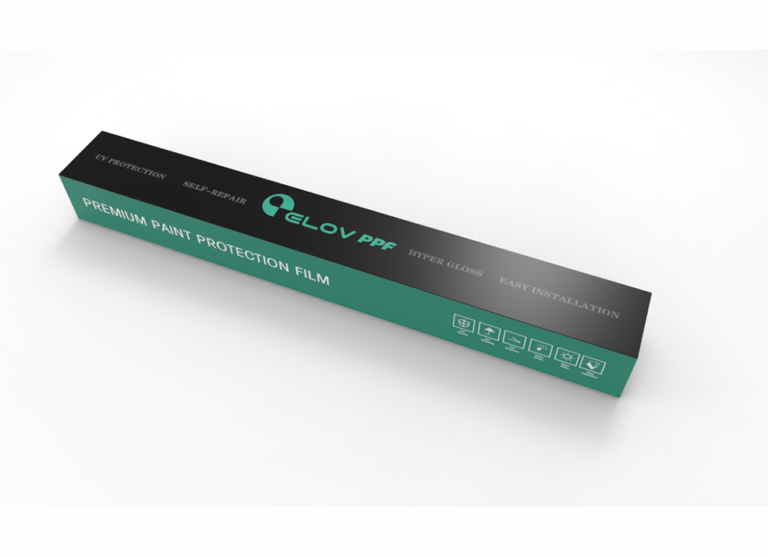
For private label buyers, sample testing should include packaging questions before the first large order. Confirm the roll label, carton label, color/model name, warranty wording, inner bag, box design and backing liner logo requirements. Packaging mistakes can create confusion for distributors and installers even when the film itself is acceptable.
ELOV supports OEM/ODM packaging such as custom boxes, inner bags and backing liner logos. Buyers can prepare requirements using the OEM PPF packaging, private label packaging checklist and carton label requirements pages.
Build a Simple Sample Scorecard
A sample scorecard makes the decision more objective. Rate each sample from 1 to 5 for clarity, gloss or surface effect, coating feel, hydrophobic behavior, self-healing result, adhesive behavior, installation difficulty, edge finish, packaging readiness and supplier response speed.
Do not approve bulk orders based on one perfect photo. Review installer comments, sample photos, QC documents and your target selling price together. If two models look similar, choose the one with stronger repeat supply support, clearer batch traceability and better packaging readiness.
When Is a Sample Ready for Bulk Order?
A PPF sample is ready for bulk order when it passes both performance and supply checks. Performance checks include clarity, coating, adhesive and installation feedback. Supply checks include MOQ, lead time, packaging approval, QC process, batch traceability and after-sales communication.
If the sample is close but not perfect, ask the factory whether the issue is related to the model selection, installation method or production setting. This can prevent unnecessary switching between suppliers and help the buyer build a more stable product line.
FAQ
How should buyers test PPF samples before bulk orders?
Buyers should test clarity, coating feel, hydrophobic behavior, self-healing, adhesive behavior, installation difficulty, edge finish, packaging and QC proof before approving bulk orders.
Who should install the PPF sample?
A real installer should test the sample on vehicle panels or representative surfaces, because adhesive behavior and stretch are difficult to judge from a flat desk sample alone.
Should buyers test packaging during the sample stage?
Yes. Private label buyers should confirm roll labels, carton labels, inner bags, box design, backing liner logo requirements and model names before mass production.
What proof should a PPF factory provide after sample approval?
A factory should provide QC records, batch traceability, roll inspection details, packaging approval information and clear communication about MOQ, lead time and repeat supply.
Final Thoughts
Testing PPF samples before bulk orders is not a slow extra step. It is the fastest way to reduce warranty claims, avoid packaging mistakes and build installer confidence. The best buyers approve samples with a clear scorecard, factory QC proof and a realistic plan for repeat supply.
To start a structured sample test, review the PPF sample order checklist, compare the ELOV TPU PPF collection, or contact ELOV PPF with your target market, model range, packaging needs and expected monthly demand.