PPF Cost Calculator for Installers: Roll Yield, Waste and Quote Planning
A PPF cost calculator for installers should do more than divide one roll price by the number of cars. Paint protection film quotes depend on roll yield, waste rate, coverage area, film grade, labor hours, installer skill, rework risk, packaging, shipping and the margin needed to keep the business healthy.
This guide explains a practical way for installers, distributors and wholesale buyers to calculate PPF job costs before quoting full front, high-impact areas or full vehicle installations. It also helps distributors explain roll value to installer customers when comparing different TPU paint protection film models.
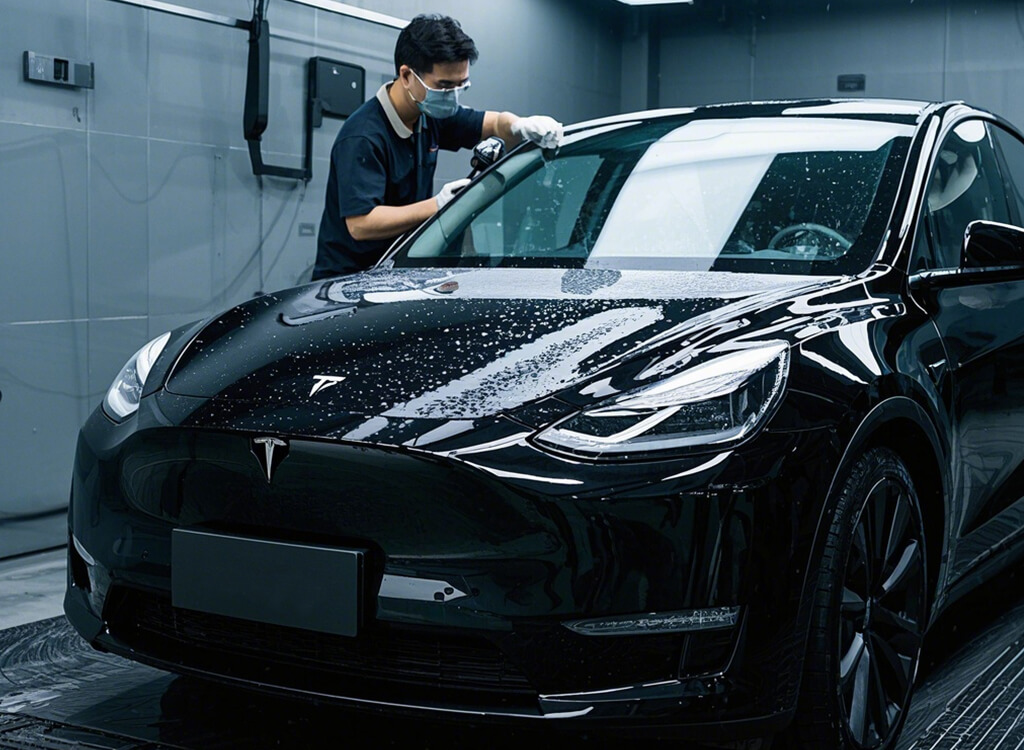
Start with the Coverage Scope
The first input is the coverage scope. A full front package, hood-only package, bumper-only repair and full vehicle installation all use different material and labor assumptions. If an installer uses one average number for every job, the quote will either be too high for small jobs or too low for complex installations.
Common quote scopes include partial hood and fenders, full hood and fenders, front bumper, mirrors, door cups, rocker panels, high-impact area packages and full body coverage. Installers should build a simple internal table for each package and update it after real installation data is collected.
Calculate Film Use and Roll Yield
Roll yield is the amount of usable film that can be converted into paid installation jobs. A standard ELOV PPF roll size is commonly 1.52m x 15m / roll, but the real yield depends on panel size, cutting method, pattern efficiency and waste control.
If a shop uses pre-cut patterns, software nesting and consistent panel layouts can improve material planning. If the shop installs by bulk cutting, the installer must allow more trimming margin and panel handling waste. Use the PPF roll yield guide together with this calculator method to estimate how many jobs a roll can support.
Add a Realistic Waste Rate
Waste rate is where many PPF quotes become inaccurate. Waste can come from trimming, pattern gaps, installation mistakes, dust contamination, overstretching, rework, damaged edges and leftover pieces that cannot be used on another panel.
A mature shop may plan a lower waste rate for simple panels and a higher waste rate for bumpers, mirrors and complex curves. A new installer should use a more conservative number until installation consistency improves. Distributors can reduce buyer complaints by teaching installer customers to calculate waste before comparing only roll price.
Choose the Film Grade Before Pricing
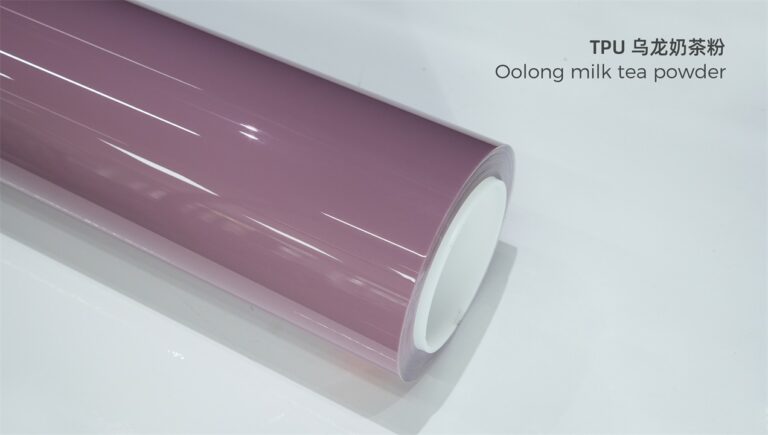
Different PPF models should not use the same quote logic. A premium clear TPU film, a thicker 10 mil or 12 mil model, a matte PPF and a color PPF product may have different purchase cost, warranty positioning, customer expectations and installation behavior.
Before quoting, compare the PPF model comparison, Clear PPF specifications, Matte PPF specifications and Color PPF specifications. The selected film grade should match the customer’s budget, vehicle value and expected warranty level.
Include Labor Hours and Rework Risk
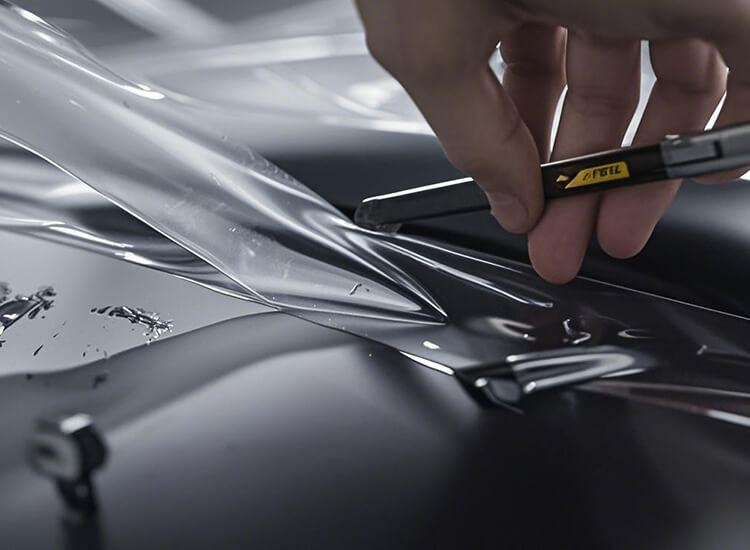
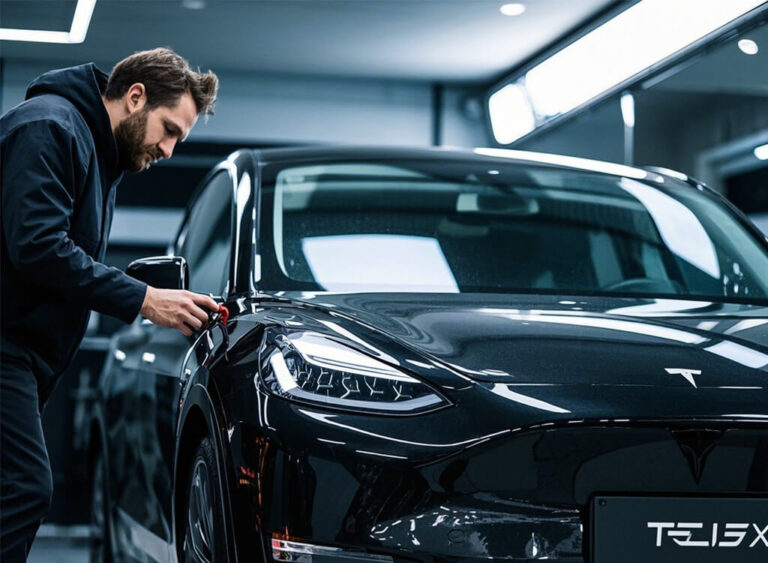
Labor can be more important than film cost in many markets. A front bumper may use less material than a hood, but it can require more skill and time. Installers should track average hours by package type, vehicle model and installer level.
Labor planning should also include surface preparation, disassembly if needed, edge wrapping, inspection, customer handover and possible rework. For distributor training programs, the PPF installer training checklist can help standardize feedback from shops and reduce avoidable installation losses.
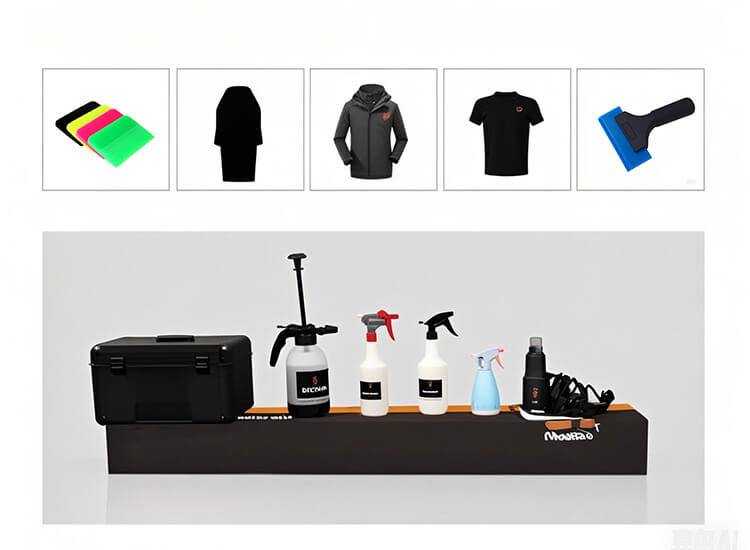
Build a Simple PPF Cost Formula
Installers can begin with this simple quote structure:
Material cost per job = film used + waste allowance + shipping/storage allocation.
Total job cost = material cost + labor cost + overhead + rework allowance.
Customer quote = total job cost + target margin.
This formula is not meant to replace a local price list. It gives installers a clean way to compare jobs and avoid hidden losses. It also helps wholesale buyers compare films more fairly because the cheapest roll is not always the most profitable roll if installation waste or rework is high.
Connect Quote Planning with Wholesale Reorders
Distributors should connect installer quote planning to reorder planning. If a roll supports a predictable number of paid jobs, the distributor can estimate monthly demand by shop count, average package mix and expected conversion rate. This helps plan inventory before busy seasons and avoids emergency shipping.
For wholesale approval, combine quote planning with the PPF sample order checklist, PPF sample testing guide, factory QC checklist and batch traceability guide. A stable product line should support both installer profit and repeat supply.
Do Not Forget Packaging and Positioning
For private label buyers, product positioning changes the final quote. OEM packaging, carton labels, sample boards and warranty cards all affect how installers present the product to customers. These items may not be part of one installation quote, but they affect brand trust and repeat sales.
Review OEM PPF packaging, private label packaging checklist and carton label requirements before launching a distributor program.
FAQ
What should a PPF cost calculator include?
It should include film use, waste rate, roll yield, coverage scope, film grade, labor hours, overhead, rework risk, shipping allocation and target margin.
Why is roll yield important for installers?
Roll yield shows how many paid jobs a roll can support. It helps installers quote accurately and helps distributors estimate reorder demand.
Should installers use the same waste rate for every PPF job?
No. Simple flat panels may need a lower waste rate, while bumpers, mirrors, complex curves and new installer training jobs need a higher allowance.
How can wholesale buyers use PPF quote planning?
Wholesale buyers can use quote planning to choose the right film grade, explain value to installers, estimate reorder volume and reduce complaints caused by unrealistic roll price comparisons.
Final Thoughts
A useful PPF cost calculator protects both the installer and the distributor. It turns roll price into real business planning by including roll yield, waste, labor, rework risk and margin. For wholesale buyers, this is also a better way to compare TPU PPF suppliers because product consistency affects profit after installation, not only the purchase invoice.
To build a more accurate PPF quote plan, compare the ELOV TPU PPF collection, review the cost of PPF coating for a car, or contact ELOV PPF with your target film model, market, package mix and monthly order plan.